


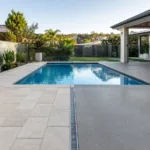
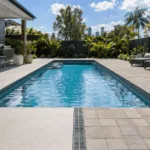

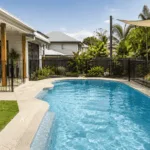
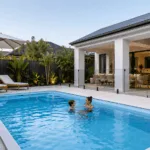
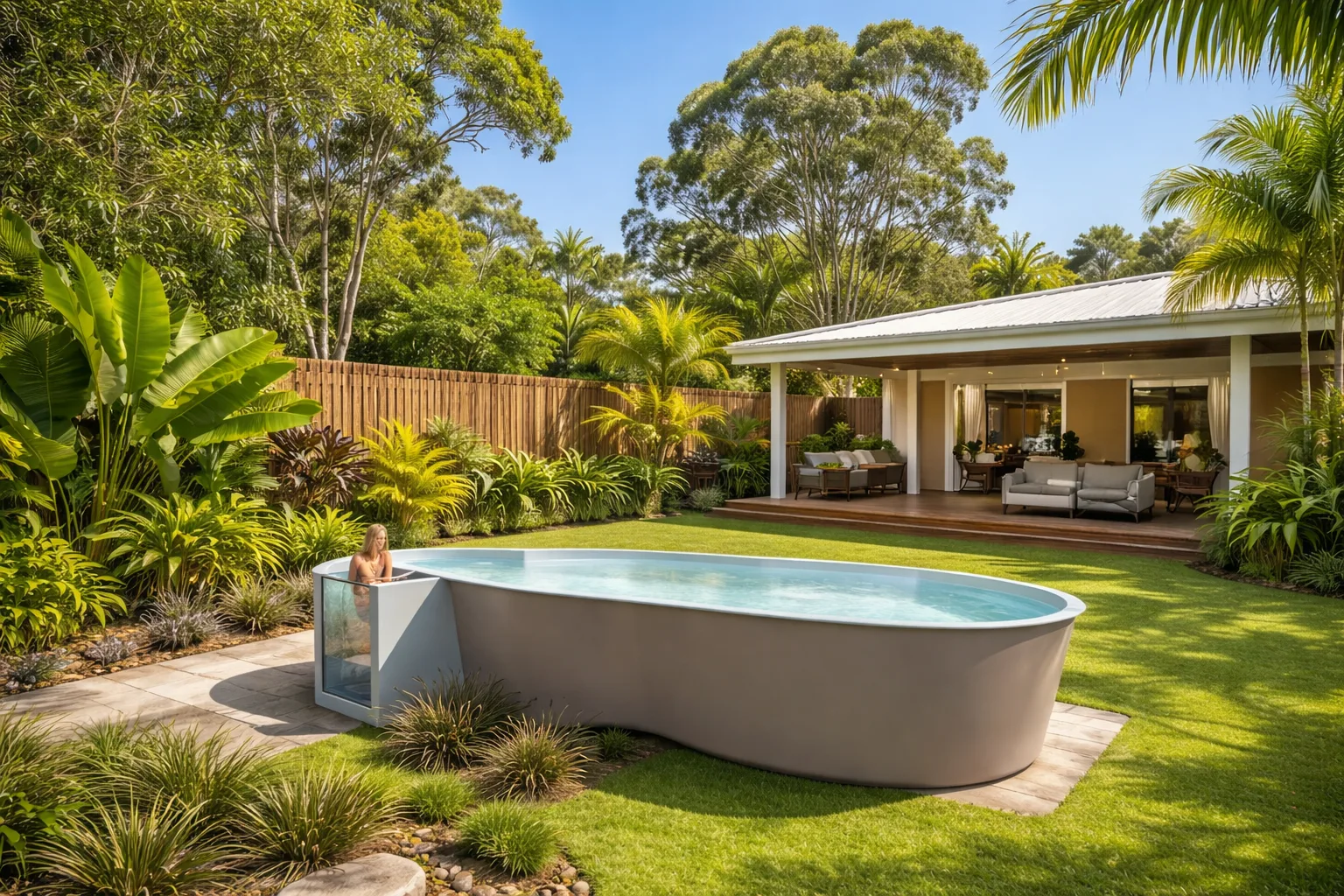
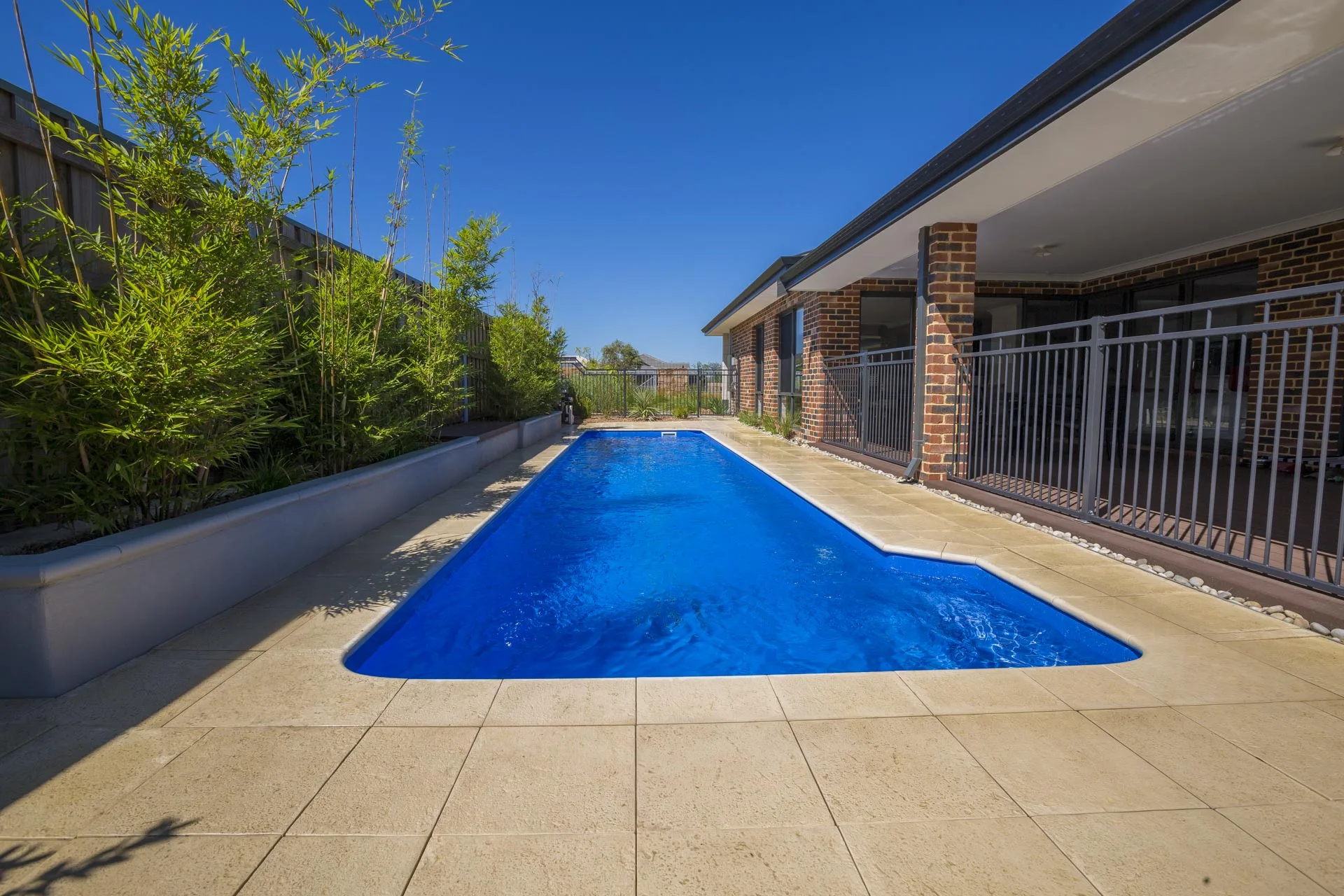
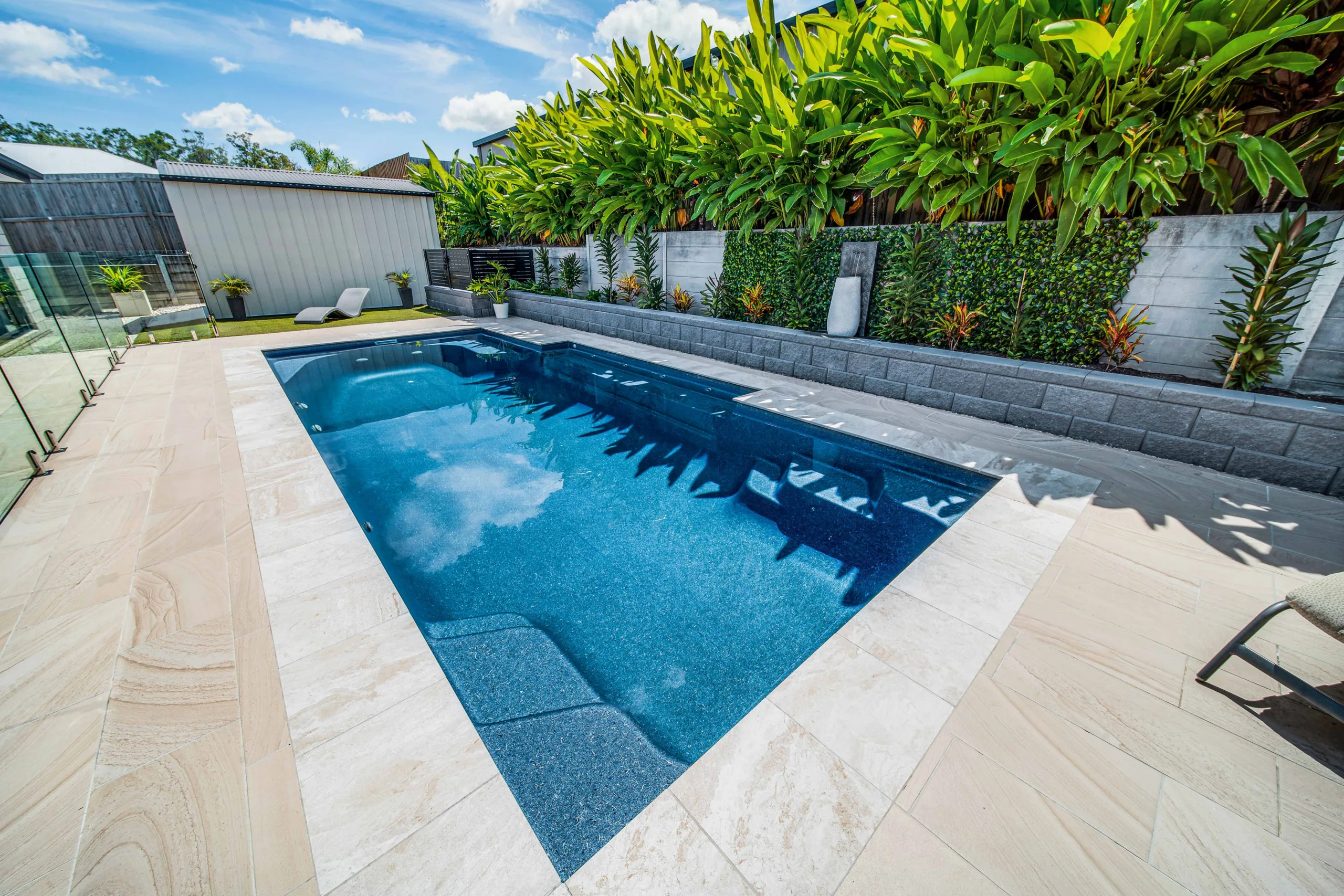
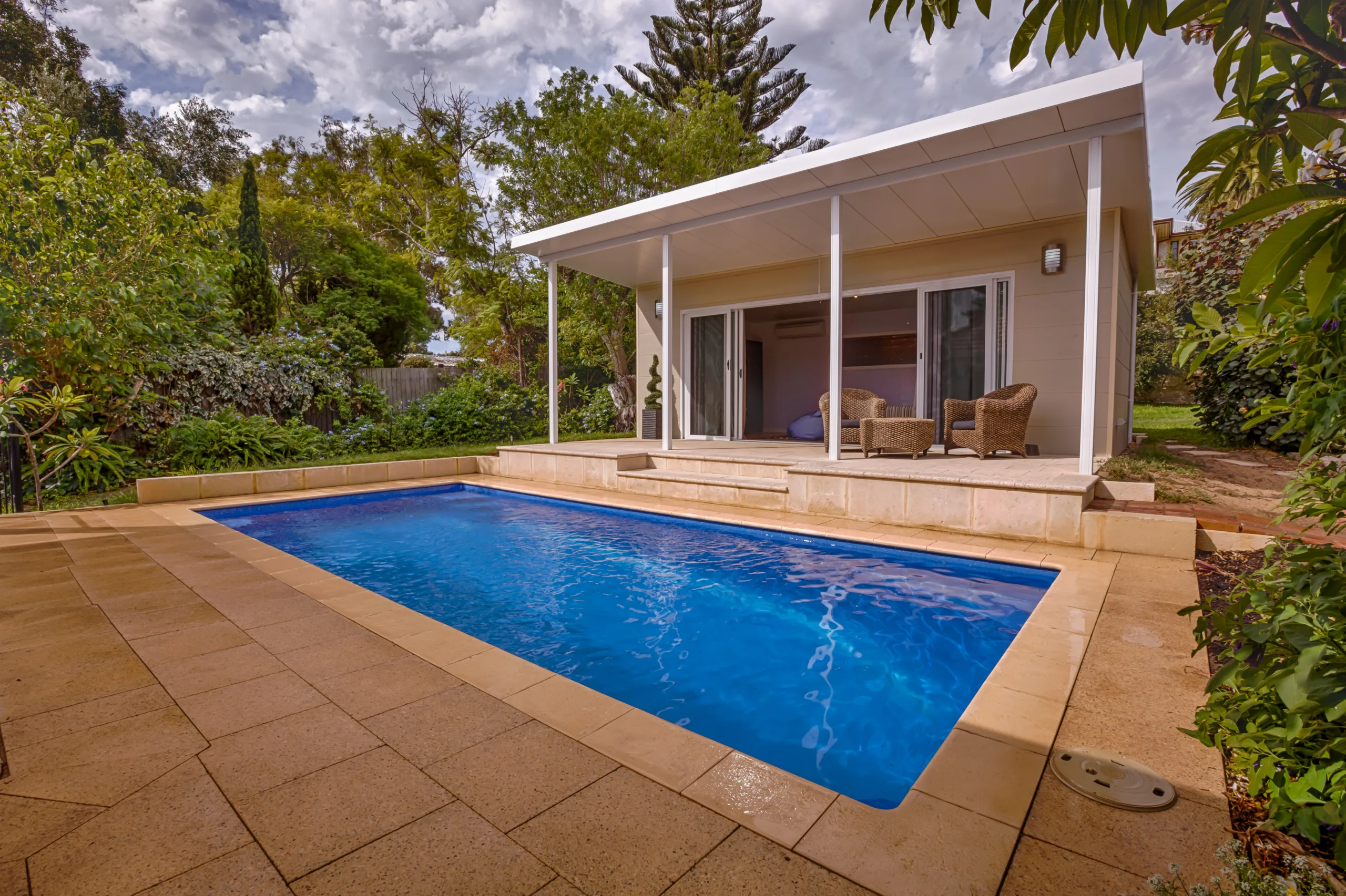
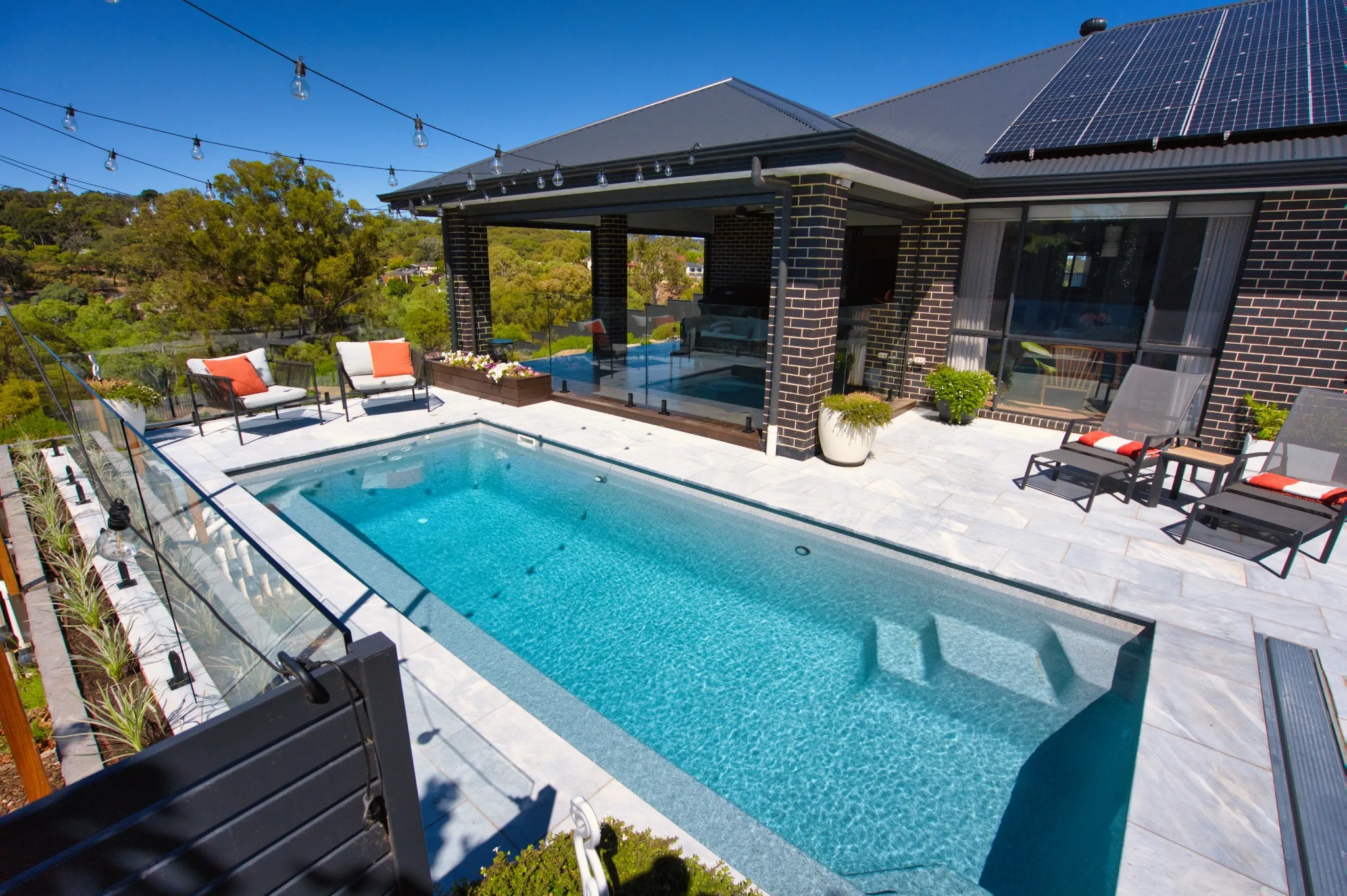
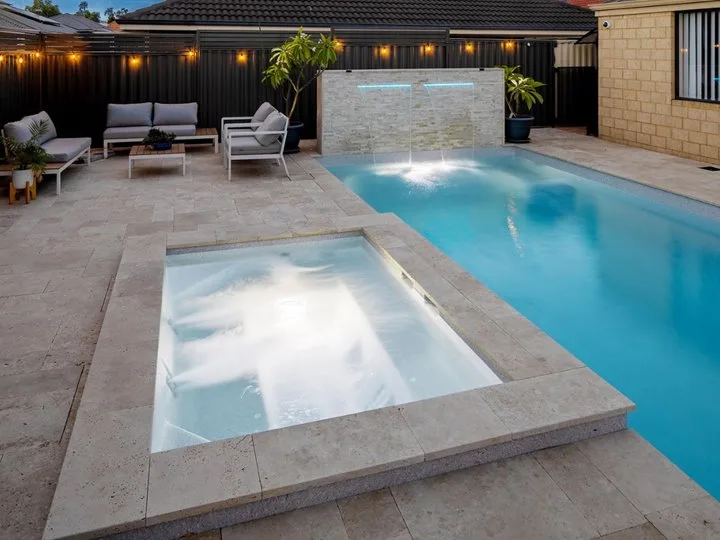
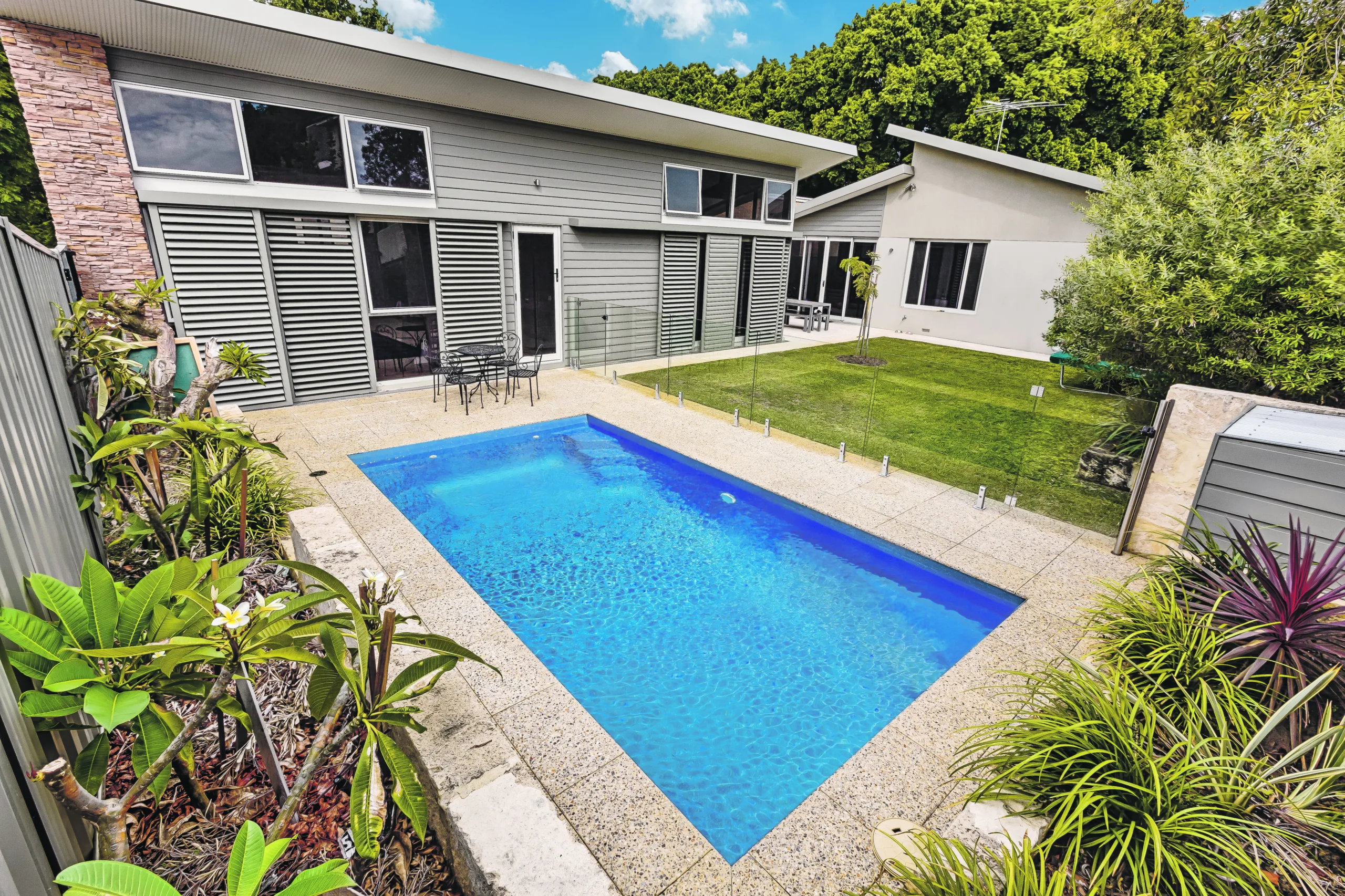
Many homeowners focus on design and aesthetics when upgrading their outdoor space, but overlook one critical factor, pool regulations. In Brisbane, strict rules govern pool landscaping and structures to ensure safety, especially for children. Failing to comply can lead to fines, project delays, or even having to redo completed work. More importantly, poor planning can create serious safety risks. This guide breaks down what Brisbane homeowners actually need to know, simplifying the key requirements so you can design a compliant, functional, and visually appealing outdoor area from the start.
What You Should Know About Pool Landscaping Rules
When planning your pool landscaping, it’s not just about creating a beautiful space—it’s about ensuring safety and compliance. Many design choices can unintentionally breach regulations if not carefully considered.
Poor planning can introduce climbable elements near pool fences, increasing the risk of accidents. As a homeowner, you are legally responsible for ensuring your pool area meets all safety standards at all times—not just during installation.
Even simple additions like plants, furniture, or decorative features can affect compliance if they interfere with barriers or visibility.
Key things to keep in mind:
- Landscaping must not create climbable objects near pool fences
- Clear zones around barriers must be maintained
- Visibility into the pool area should not be obstructed
- Ongoing maintenance is required to stay compliant
- Any changes to the area may require reassessment
The Core Brisbane Pool Fence Regulations You Must Follow
Understanding Brisbane pool fence regulations is essential before starting any landscaping or outdoor project. These rules are designed to prevent unauthorised access and reduce safety risks—particularly for young children, who are most vulnerable around home pools.
According to the Royal Life Saving Australia, drowning remains one of the leading causes of accidental death for children under five in Australia, with home swimming pools identified as a major risk area. In many cases, inadequate barriers or faulty gates are contributing factors. This is why strict compliance standards exist for residential pool safety.
Pool fences must meet minimum height requirements—generally at least 1.2 metres from ground level—to reduce the likelihood of children climbing over. This standard is aligned with the Australian pool safety benchmark under AS 1926.1, which outlines barrier requirements for swimming pools.
Gates are another critical component. They must be self-closing and self-latching, with the latch positioned out of reach of small children. Gates should always open outward, away from the pool area. Research from the Queensland Building and Construction Commission highlights that malfunctioning or propped-open gates are among the most common causes of non-compliance during inspections.
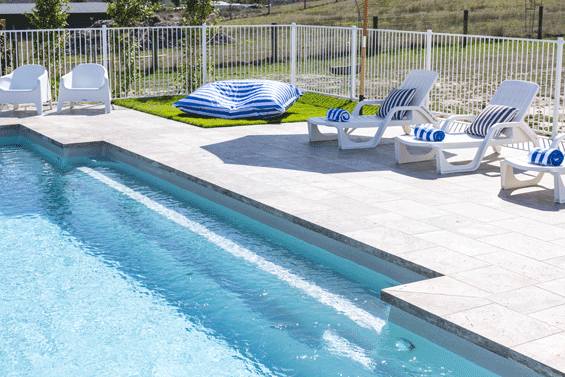
Non-climbable zones (NCZ) are strictly enforced. This means there must be a clear space around the fence—typically 900mm—free from objects that could be used as a foothold or climbing aid. Items such as pot plants, outdoor furniture, and retaining walls often lead to compliance breaches when placed too close to barriers.
Distance rules also apply to nearby structures. Landscaping features, raised decking, and boundary walls must not compromise the effectiveness of the pool barrier. Even a correctly installed fence can become non-compliant if surrounding elements create unintended access points.
Failing to meet any of these requirements can result in non-compliance, penalties, or mandatory rectification works. In Queensland, pool owners are legally responsible for maintaining barrier safety at all times—not just during installation.
How Landscaping Choices Can Affect Pool Compliance
Plants and Trees Near Pool Fencing
Plants may enhance your outdoor space, but if placed too close to fencing, they can quickly become climbable objects. Overgrown branches or dense shrubs can also reduce visibility and create safety concerns.
Outdoor Furniture Placement Risks
Furniture like chairs, tables, or storage boxes placed near fences can unintentionally provide a step up. These are common compliance breaches that are often overlooked during pool fencing and landscaping design.
Decking and Raised Structures
Decking built too close to a pool fence can interfere with required heights and non-climbable zones. Raised structures can effectively reduce fence height, making it easier to access the pool area.
Retaining Walls and Boundary Considerations
Retaining walls near pool areas can create complex compliance issues. Depending on their height and position, they may be considered part of the barrier or a potential climbing aid, requiring careful planning.
Brisbane Pool Landscaping Guidelines for a Compliant Setup
Designing a compliant outdoor space starts with understanding how Brisbane pool landscaping should work alongside safety regulations. The goal is to create a functional and visually appealing area without compromising barrier effectiveness.
Maintain clear zones around all fencing to ensure nothing interferes with non-climbable requirements. This includes keeping plants trimmed and avoiding placing objects too close to the barrier.
Plan landscaping in a way that preserves visibility into the pool area. Open sightlines improve safety and make it easier to supervise swimmers.
Choose materials and layouts carefully. Avoid structures or features that could reduce fence height or act as climbing aids. By integrating compliance into the design phase, you can avoid costly adjustments later.
Outdoor Structures That May Require Approval
Pergolas and Shade Structures
Pergolas and shade installations can enhance comfort but may require approval depending on their size, location, and proximity to the pool barrier.
Decking Around Pools
Decking is a popular addition, but it must be carefully designed to avoid interfering with fence height and compliance. Some designs may require council approval under pool regulations.
Pool Enclosures and Screens
Enclosures and screens can improve safety and cleanliness, but they must meet specific standards to ensure they do not restrict access or visibility inappropriately.
Water Features and Additions
Waterfalls, fountains, and other features can affect drainage and structural layout. Depending on complexity, these additions may also require approval before installation.
Conclusion
Getting your pool area right isn’t just about design, it’s about doing it properly from the start. With Brisbane pool landscaping, even small decisions can impact compliance, safety, and long-term usability. Planning helps you avoid costly mistakes, delays, and potential penalties.
If you’re upgrading or building a pool area, make sure your design aligns with current regulations before construction begins.
Speak with Complete Creative Constructions on 0403 647 847 or email leads@completecreativeconstructions.com.au to ensure your pool landscaping is compliant, functional, and built the right way from day one.
FAQs
What are the key pool fence regulations in Brisbane?
Brisbane pool fence regulations require a minimum 1.2m fence height, self-closing gates, and non-climbable zones around barriers to ensure safety and prevent unauthorised access.
Can landscaping affect pool compliance?
Yes, pool landscaping can directly impact compliance. Plants, furniture, and structures placed too close to fences can create climbable hazards or block visibility.
Do I need approval for decking around a pool?
In many cases, decking may require approval depending on its design and how it interacts with pool regulations, especially if it affects fence height or safety barriers.
How far should objects be from a pool fence?
To meet Brisbane pool fence regulations, objects should generally be at least 900mm away from the fence to maintain a compliant non-climbable zone.