


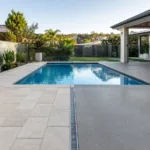
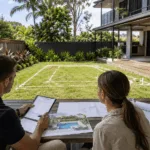
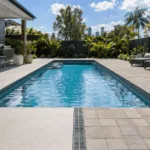

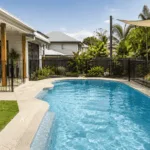
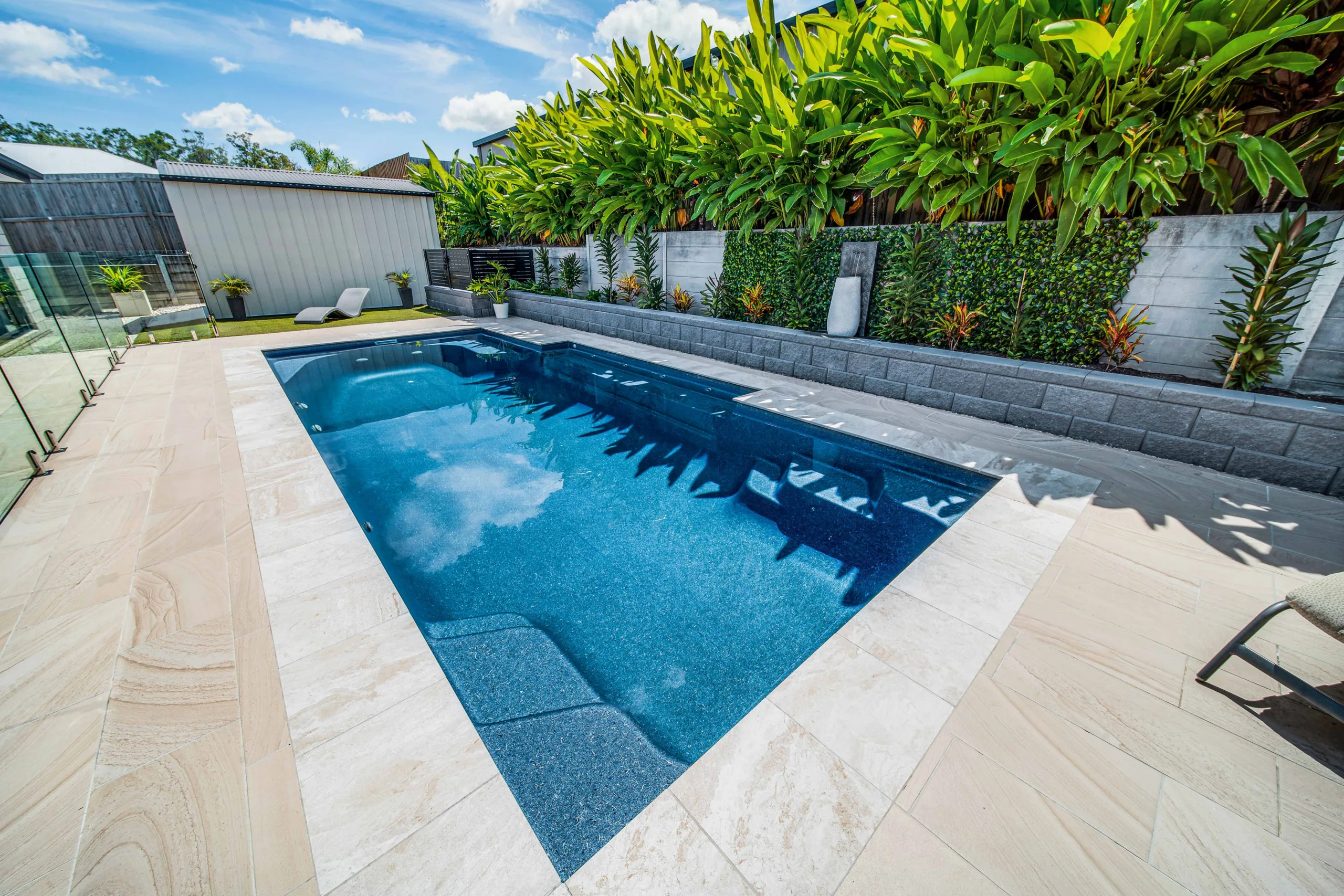
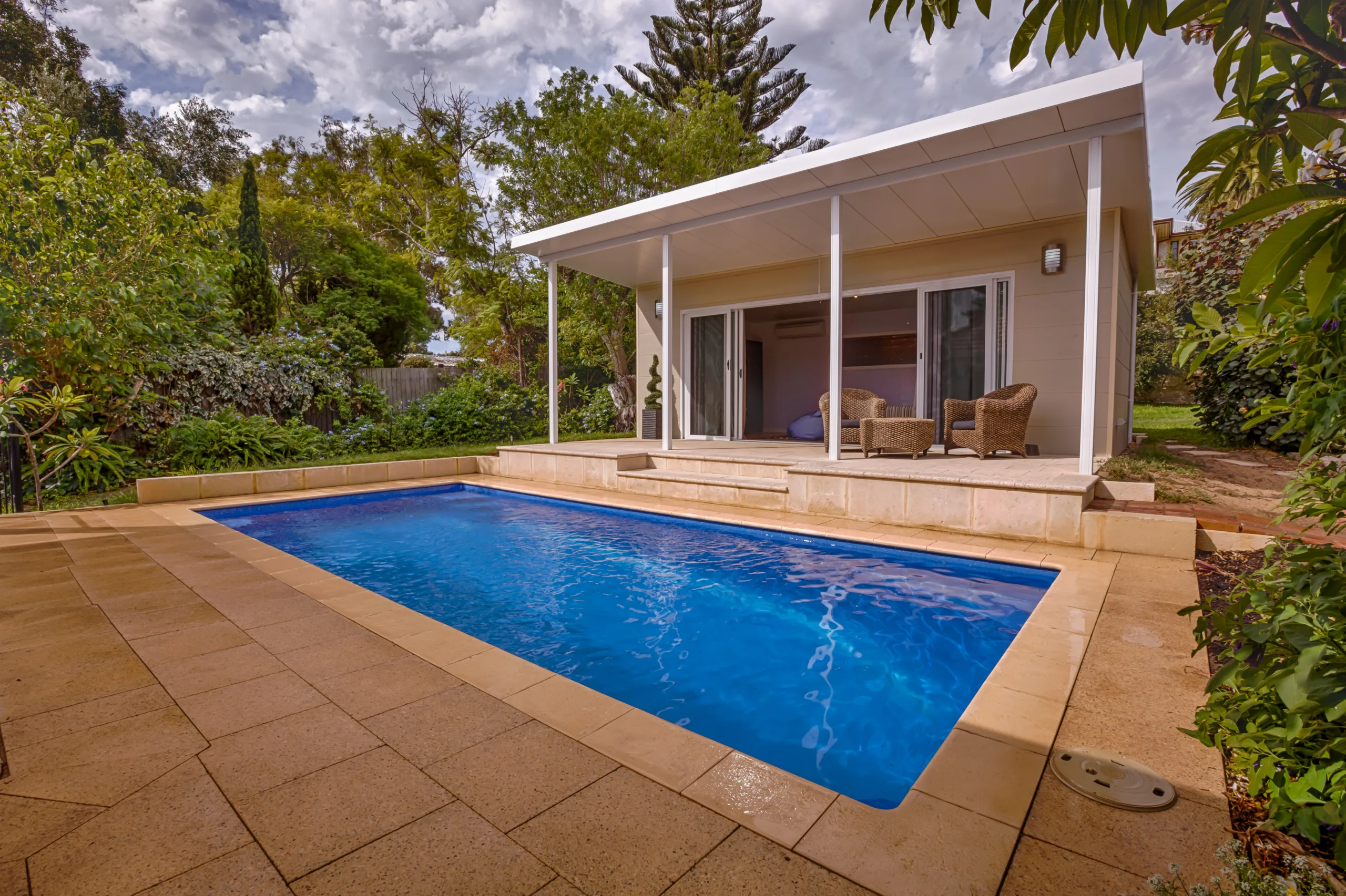
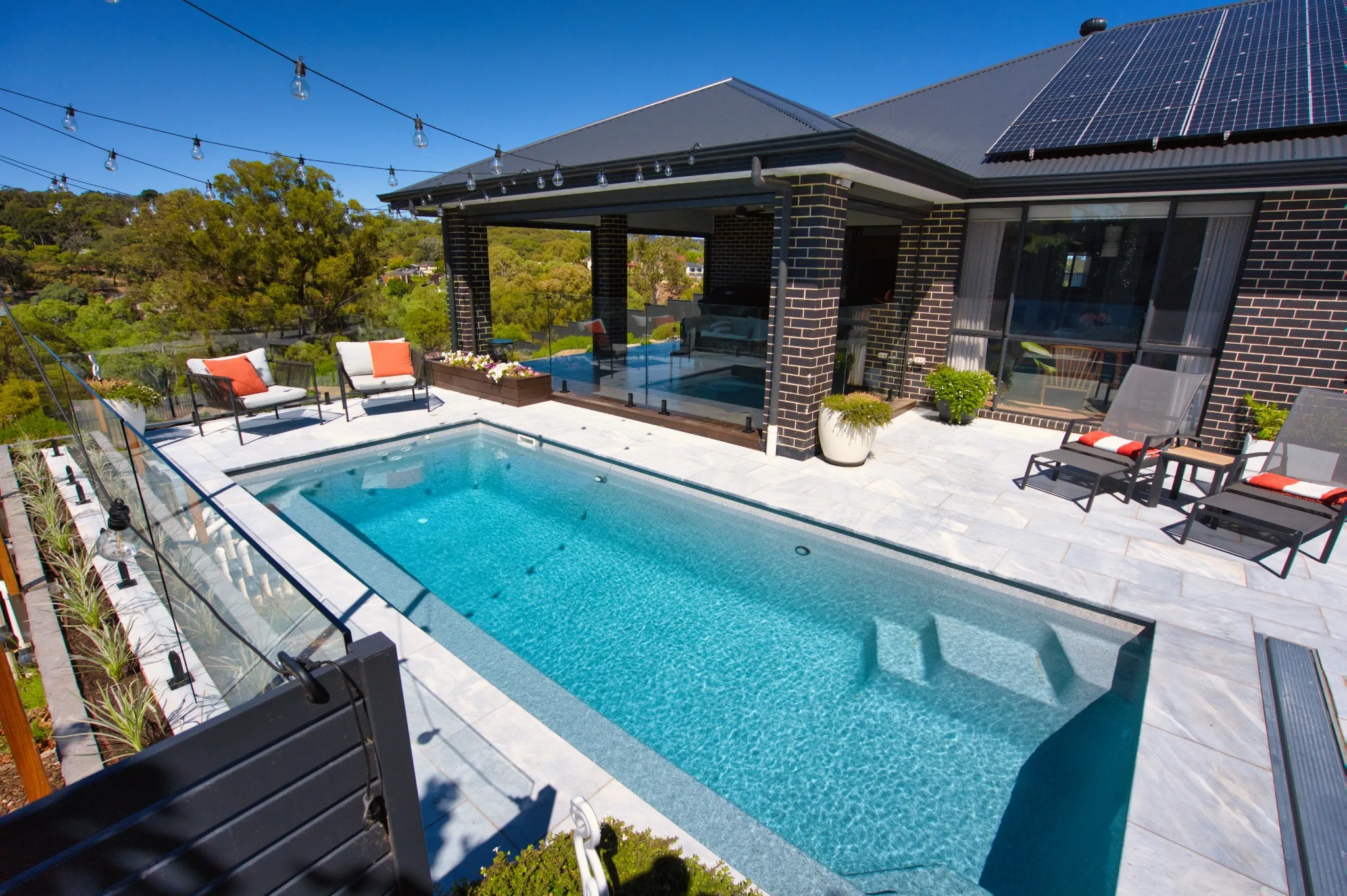
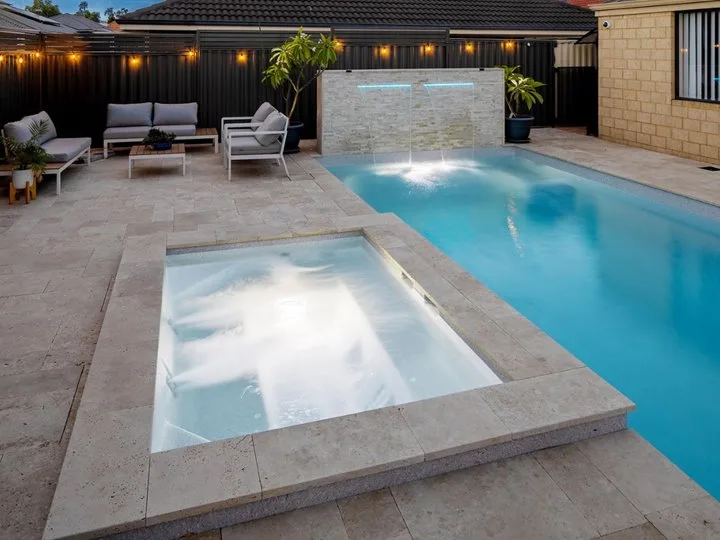
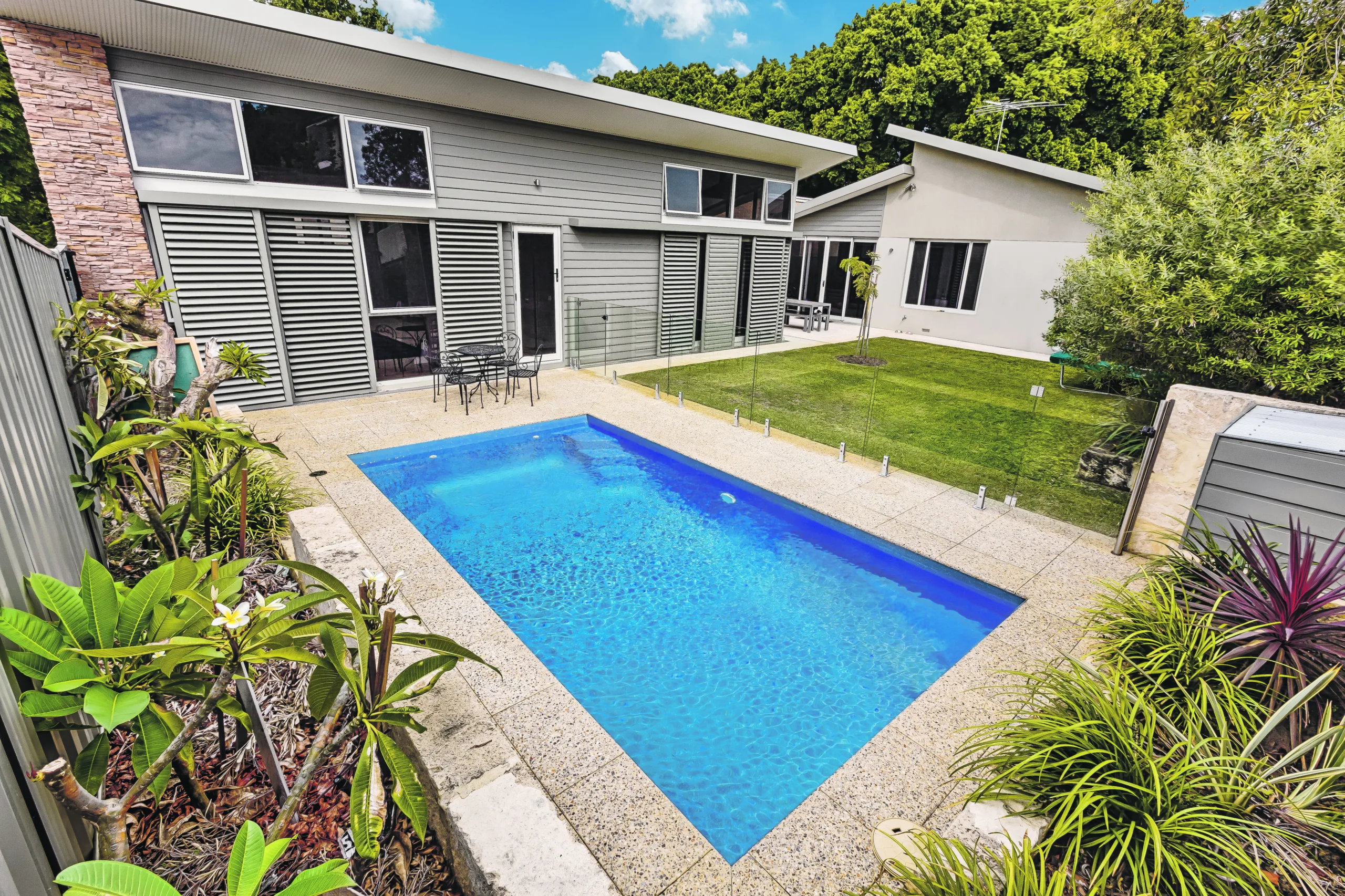
Planning comparing concrete and pavers around pools for performance, drainage, maintenance, and long-term outdoor use is an important step for homeowners who want a backyard that feels practical, comfortable, and suited to everyday use. The right decision can influence how the pool area looks, how it functions, and how well it supports outdoor living over time.
For Brisbane and South Brisbane homeowners, pavers vs concrete around pool should be considered in the context of the full backyard, not just as a single feature. Climate, access, family needs, maintenance, drainage, and future entertaining plans can all shape the final result. Related search terms such as concrete vs pavers, concrete around pools, and pavers around pools are also part of this topic when they fit naturally.
Complete Creative Constructions works with homeowners planning pool design, fibreglass pool installation, landscaping, poolside structures, and outdoor living construction, so this guide focuses on practical considerations rather than one-size-fits-all advice.

Why This Topic Matters
The surface around a pool affects safety, comfort, drainage, appearance, and maintenance.
Choosing between pavers and concrete around pool areas should be based on the site, design style, budget, drainage, and how the space will be used.
When homeowners make this decision early, it becomes easier to align the pool, landscaping, shade, access, and budget. It also helps avoid choices that look appealing in isolation but are harder to maintain or enjoy in real life.
Main Benefits or Key Points
The main value of planning around pavers vs concrete around pool is that it gives the whole outdoor area a clearer purpose. Instead of treating the pool, paving, planting, and shade as separate items, the design can support the way the household actually uses the backyard.
- A clearer comparison of concrete vs pavers before selecting finishes
- Better planning for drainage and surface levels
- More realistic expectations around maintenance and repair
- Improved comfort and presentation around the pool
- A pool surround that supports long-term outdoor living
What Readers Should Know
Site conditions and layout
Concrete around pools can provide a clean, continuous surface, but it requires correct preparation, control joints, finishing, and drainage planning.
Materials, finishes, and usability
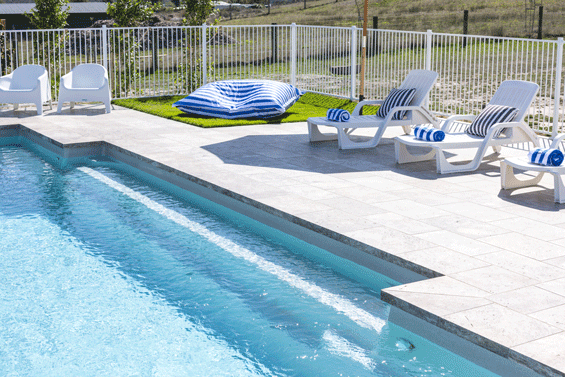
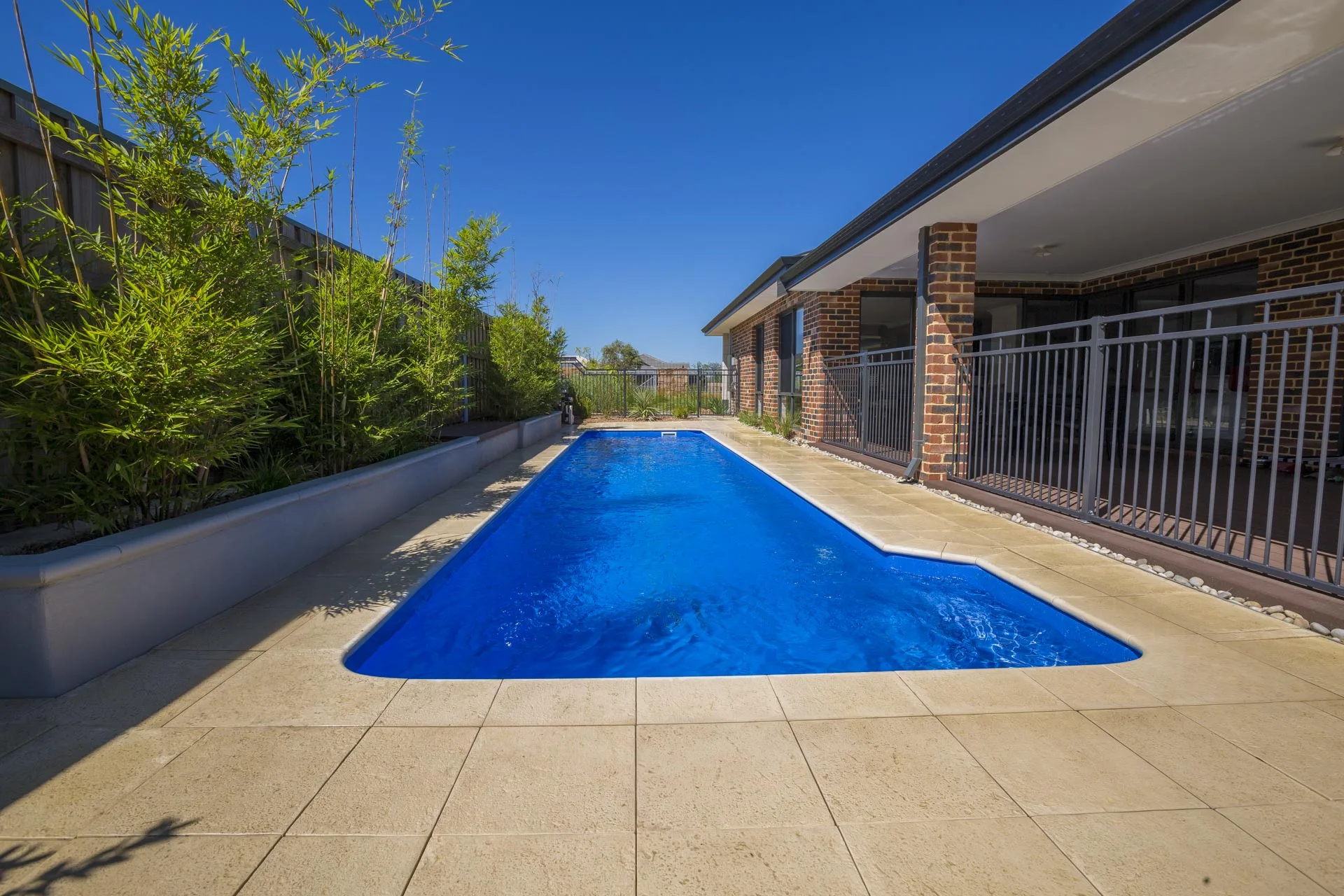
Pavers around pools can offer design flexibility and easier replacement of individual units, but base preparation, edge restraints, and ongoing movement need consideration.
Professional guidance and sequencing
Slip resistance, heat, colour, texture, sealing, expansion, and water runoff should be discussed with a qualified installer.
Homeowners should also remember that every site is different. Before relying on general advice, it is sensible to speak with a qualified pool builder, landscaper, engineer, certifier, or local council where the project involves compliance, structural work, drainage, or approvals.
Practical Tips or Things to Consider
Before making final decisions, use the following points as a practical checklist:
- View samples in full sun and wet conditions where possible.
- Ask how each surface handles drainage and movement on your site.
- Consider barefoot comfort during hot Brisbane afternoons.
- Check cleaning, sealing, and maintenance requirements before choosing.
- Coordinate surface levels with coping, fencing, lawn, and outdoor entertaining areas.
Good planning does not need to make the project complicated. It simply helps the final backyard feel more intentional, easier to use, and better suited to the home.
Local Relevance for Brisbane
Brisbane homeowners often want backyards that work for swimming, entertaining, relaxing, and family time across much of the year. Warm weather, summer storms, UV exposure, and outdoor entertaining habits all influence the way a pool area should be planned.
Backyard sizes and site conditions can vary widely across Brisbane, so the right solution should respond to the home rather than copy a generic design. Drainage, shade, access, and privacy are often just as important as the pool itself.
A locally relevant design should feel comfortable in everyday use, easy to maintain, and suitable for the surrounding landscaping, structures, and family lifestyle.
Frequently Asked Questions
Which is better: pavers vs concrete around pool areas?
There is no single best choice. Pavers and concrete each have advantages, and the right option depends on budget, site conditions, design style, drainage, and maintenance preferences.
Is concrete around pools slippery?
It can be if the finish is not suitable. Use an appropriate outdoor wet-area finish and discuss slip resistance with your contractor.
Do pavers around pools move over time?
They can move if the base, drainage, or edge restraints are not properly prepared. Good installation is important.
Which option is easier to repair?
Individual pavers may be easier to replace in some cases, while concrete repairs can be more visible depending on finish and location.
What matters most for pool surrounds in Brisbane?
Drainage, heat, slip resistance, UV exposure, maintenance, and compatibility with the overall backyard design are all important.