



Planning understanding how pool pump sizing affects circulation, filtration, efficiency, and pool care is an important step for homeowners who want a backyard that feels practical, comfortable, and suited to everyday use. The right decision can influence how the pool area looks, how it functions, and how well it supports outdoor living over time.
For Brisbane and South Brisbane homeowners, pool pump circulation should be considered in the context of the full backyard, not just as a single feature. Climate, access, family needs, maintenance, drainage, and future entertaining plans can all shape the final result. Related search terms such as pool pump sizing, pool pump efficiency, and fibreglass pool pump are also part of this topic when they fit naturally.
Complete Creative Constructions works with homeowners planning pool design, fibreglass pool installation, landscaping, poolside structures, and outdoor living construction, so this guide focuses on practical considerations rather than one-size-fits-all advice.
Why This Topic Matters
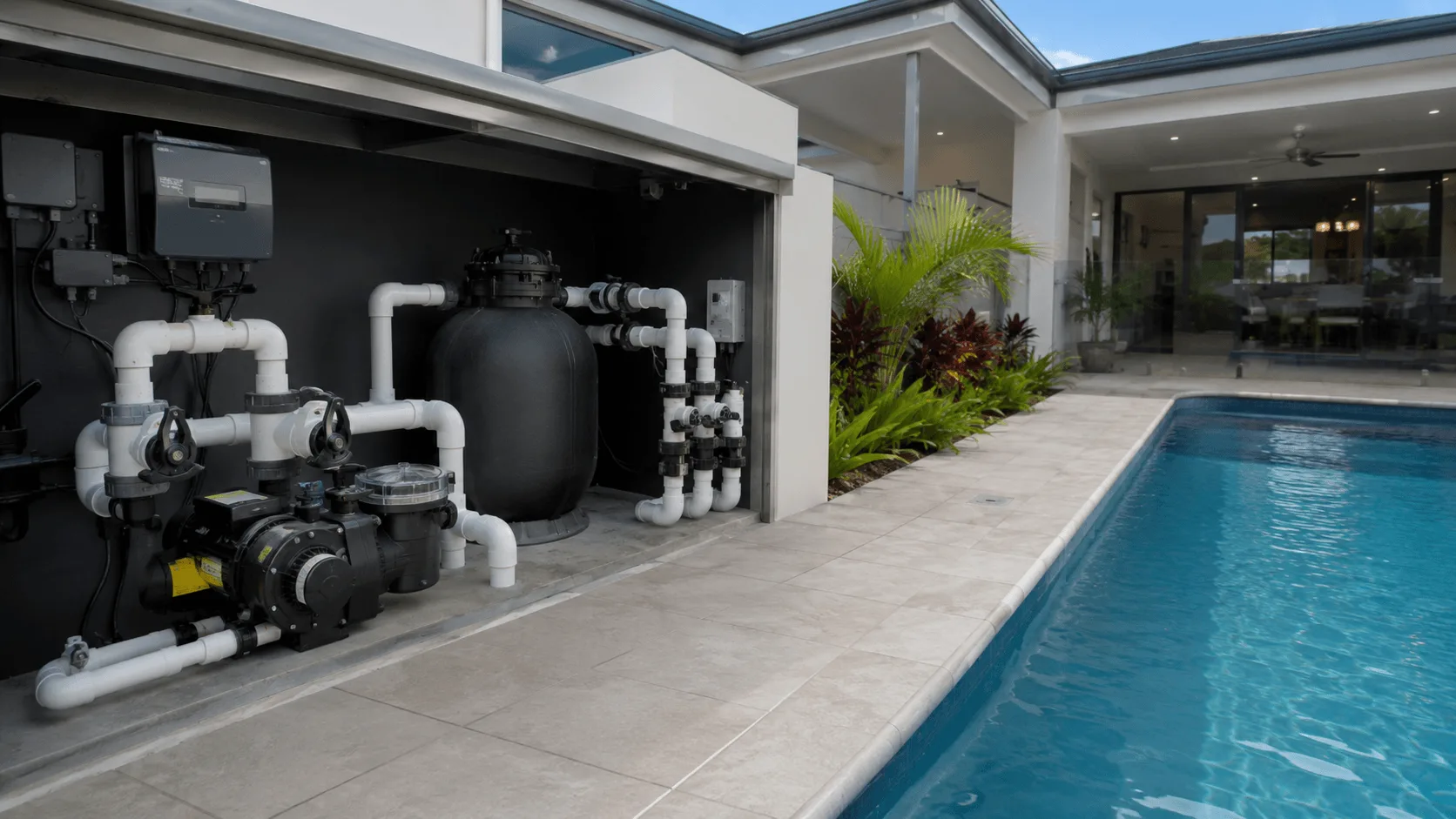
The pool pump is one of the key pieces of equipment behind clean and comfortable pool water.
Good pool pump circulation helps move water through the filtration and treatment system, but the pump must be suited to the pool and equipment.
When homeowners make this decision early, it becomes easier to align the pool, landscaping, shade, access, and budget. It also helps avoid choices that look appealing in isolation but are harder to maintain or enjoy in real life.
Main Benefits or Key Points
The main value of planning around pool pump circulation is that it gives the whole outdoor area a clearer purpose. Instead of treating the pool, paving, planting, and shade as separate items, the design can support the way the household actually uses the backyard.
- Better filtration and water movement when the pump is correctly matched
- Reduced risk of inefficient operation from poor sizing
- Improved equipment performance when plumbing and run times are considered
- More informed decisions about pool pump efficiency
- A fibreglass pool pump setup that supports the overall pool system
What Readers Should Know
Site conditions and layout
Pool pump sizing depends on pool volume, plumbing, filter type, chlorination system, heating, water features, pipework, and intended turnover.
Materials, finishes, and usability
Too large a pump can be inefficient or place unnecessary pressure on equipment. Too small a pump may not circulate water effectively.
Professional guidance and sequencing
Variable-speed pumps may help some homeowners balance circulation and energy use, but professional sizing advice is important.
For larger or more detailed projects, it is also worth thinking about staging. Some homeowners may complete the pool first and return later for shade, lighting, planting, or outdoor kitchen elements. Others may prefer a more complete construction program so levels, drainage, electrical planning, and finishes can be coordinated at once.
The right approach depends on budget, access, urgency, and how much disruption the household can manage. A staged project can be practical, but it should still be designed as a complete plan so future works do not require avoidable demolition or rework.
Homeowners should also remember that every site is different. Before relying on general advice, it is sensible to speak with a qualified pool builder, landscaper, engineer, certifier, or local council where the project involves compliance, structural work, drainage, or approvals.
Practical Tips or Things to Consider
Before making final decisions, use the following points as a practical checklist:
- Ask your pool professional to calculate pump needs rather than guessing by price or horsepower.
- Match the pump with the filter, chlorinator, pipework, and pool size.
- Keep filters clean so the pump does not work harder than necessary.
- Review timer settings seasonally as pool use and weather change.
- Listen for unusual pump noise and arrange servicing if performance changes.
Good planning does not need to make the project complicated. It simply helps the final backyard feel more intentional, easier to use, and better suited to the home.
Local Relevance for Brisbane and South Brisbane
Across Brisbane and South Brisbane, homeowners often want outdoor spaces that feel connected to daily life rather than separate from the home. This means considering pool placement, shade, landscaping, access, and entertaining areas together.
The region’s warm climate, strong UV exposure, and seasonal rain make durable materials, drainage, and practical shade important parts of the design process.
Whether the project is a new fibreglass pool or a broader backyard upgrade, local planning should respond to the exact site, family needs, and any relevant council or certification requirements.
Frequently Asked Questions
Why is pool pump sizing important?
Correct pool pump sizing supports filtration, circulation, equipment efficiency, and water quality. Poor sizing can lead to wasted energy or inadequate water movement.
What affects pool pump circulation?
Pool volume, pipework, filter condition, pump speed, run time, equipment layout, and debris load can all affect circulation.
Are variable-speed pumps more efficient?
They can be more efficient in many situations, but the benefits depend on correct sizing, settings, and pool usage.
How long should a pool pump run each day?
Run time varies by pool size, equipment, season, and water conditions. Ask a pool technician for guidance matched to your system.
Can a pump be too powerful?
Yes. An oversized pump may use unnecessary energy and may not suit the filter or plumbing system.