


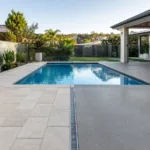
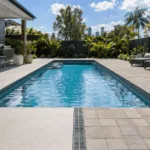

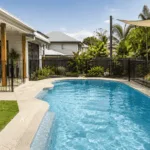
There’s a big difference between what pool products promise and what actually reduces your energy bills. Many homeowners invest in upgrades expecting major savings, only to see minimal change.
The reality is that creating an energy-efficient pool isn’t about one feature; it’s about how everything works together. In Brisbane’s warm, humid climate, efficiency strategies also differ from those in cooler regions.
Heat retention, evaporation, and smart usage matter more than just heating systems. This guide cuts through the marketing noise and focuses only on practical, proven solutions that genuinely reduce energy consumption and running costs.
What Drives Energy Consumption in a Pool (And Where You’re Losing Money)
Most pool owners underestimate where their energy costs actually come from. It’s not just heating, daily operation plays a much bigger role. Understanding these factors is key to choosing the right pool solutions.
The biggest contributor is your pump, which often runs longer than it needs to. Outdated single-speed pumps consume far more electricity than modern alternatives. Heating systems also drive up costs, especially if heat is constantly lost due to poor insulation or exposure.
Evaporation is another hidden issue. When heat escapes from the water’s surface, your system works harder to maintain the temperature. On top of that, inefficient scheduling, like running pumps during peak hours or for too long, adds unnecessary energy use.
Common energy loss points include:
- Overrunning pool pumps
- Inefficient or outdated heating systems
- Heat loss from uncovered pools
- Poor filtration timing
- Lack of automation or system control
What Actually Works: Proven Energy-Saving Pool Solutions
Variable-Speed Pumps (The Biggest Impact Upgrade)
If there’s one upgrade that consistently delivers results, it’s a variable-speed pump. Unlike single-speed systems that run at full power all the time, these pumps adjust their speed based on demand. This dramatically reduces electricity usage and improves overall efficiency, making them essential for any energy-efficient pool setup.
Pool Covers That Reduce Heat Loss Instantly
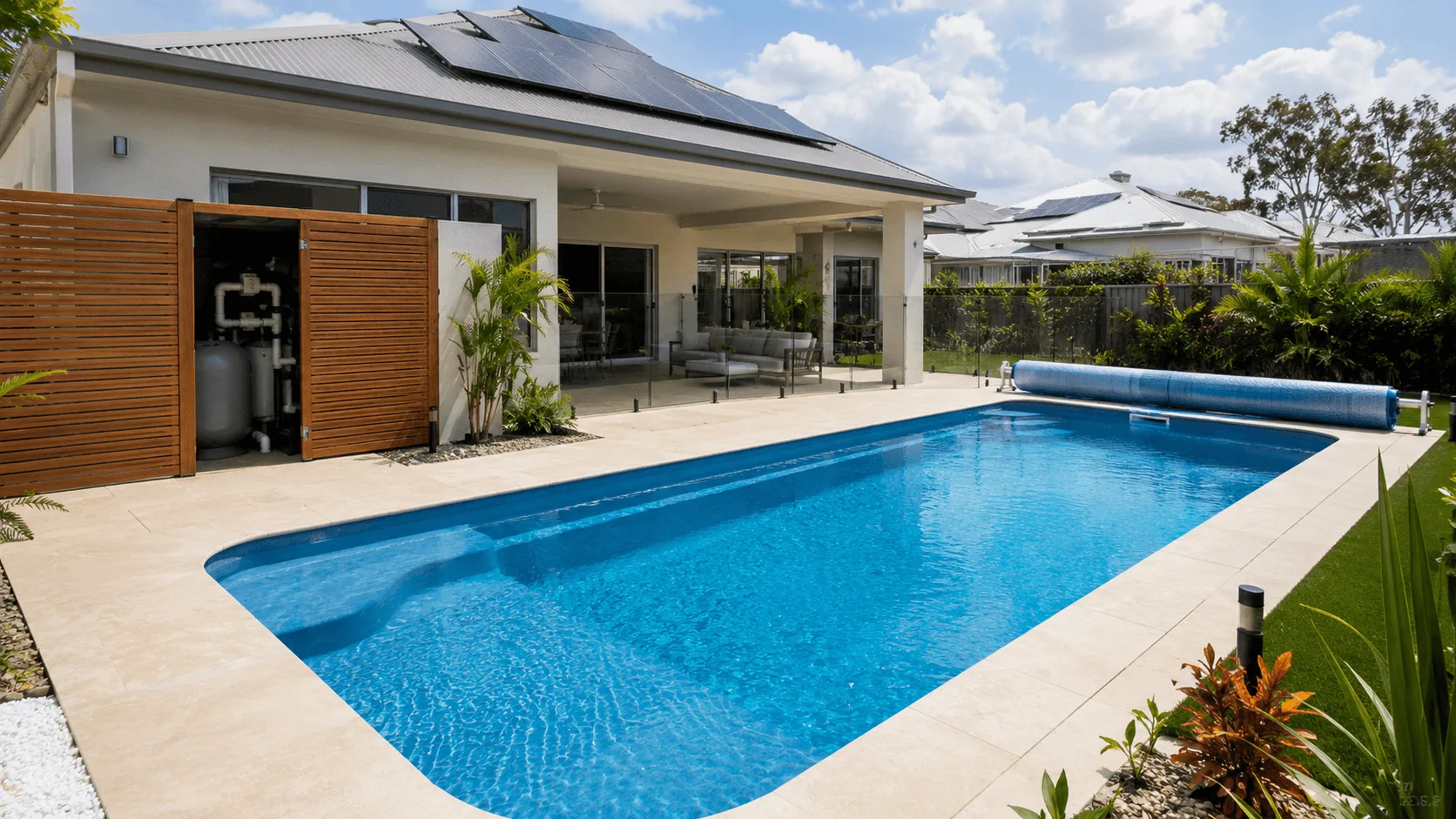
A quality pool cover is one of the simplest yet most effective pool solutions available. It reduces evaporation, retains heat, and keeps debris out. In Brisbane’s climate, where evaporation is high, this single addition can significantly cut heating and water costs almost immediately.
Smart Timers & Automation Systems
Automation systems allow you to control when and how your pool equipment runs. Instead of relying on manual operation, smart timers ensure pumps and heaters operate only when needed. This prevents overuse and optimises energy consumption without sacrificing performance.
Efficient Filtration Scheduling
Running your pool system longer doesn’t mean cleaner water. In fact, it often leads to wasted energy. Efficient scheduling focuses on shorter, well-timed filtration cycles that maintain water quality while minimising energy use, another key element of a properly managed system.
Pool Heating Options Compared: What’s Worth It in Brisbane?
Choosing between different pool heating options can significantly impact both upfront and ongoing costs. The best choice depends on how often you use your pool and your expectations.
Solar Heating
Solar systems are popular in Brisbane due to the abundance of sunlight. They have very low running costs, making them ideal for homeowners looking to minimise expenses. However, performance can vary during cloudy periods or cooler months.
Heat Pumps
Heat pumps offer a balanced solution. They use electricity efficiently to extract heat from the air, providing consistent performance regardless of the weather. While the initial cost is higher than solar, they deliver reliable heating and controlled energy usage.
Gas Heating
Gas systems heat water quickly, making them ideal for occasional use or rapid temperature increases. However, they are the most expensive to run long-term and are less suited for those focused on efficiency.
Best fit:
- Regular use – Heat pumps
- Budget-conscious – Solar
- Occasional heating – Gas
The Role of Pool Design in Energy Efficiency (Often Ignored)
Pool design plays a bigger role in efficiency than most homeowners realise. An energy-efficient pool starts with smart placement. Pools exposed to strong winds lose heat faster, increasing heating demands. Positioning your pool in a sheltered area helps retain warmth naturally.
Sun exposure also matters. A pool that receives consistent sunlight will maintain its temperature more easily, reducing reliance on heating systems. On the other hand, excessive shading can increase energy use.
Size and depth are equally important. Larger and deeper pools require more energy to heat and maintain. By optimising dimensions based on your needs, you can significantly reduce long-term operating costs without sacrificing enjoyment.
Eco-Friendly Pool Choices That Make a Real Difference (Not Just Trends)
Reducing Chemical Dependency
An eco-friendly pool doesn’t rely heavily on harsh chemicals. Alternatives such as mineral systems or saltwater chlorination can reduce chemical use while maintaining water quality.
Water Conservation Techniques
Reducing water waste is essential. Using pool covers, fixing leaks early, and minimising splash-out all contribute to better water efficiency.
Sustainable Materials and Finishes
Choosing durable, sustainable materials helps reduce environmental impact over time. High-quality finishes also improve insulation and reduce maintenance requirements.
Energy-Saving Lighting Choices
LED lighting is a simple upgrade that consumes significantly less energy than traditional pool lights. It also lasts longer, reducing replacement frequency and costs.
What Most Pool Owners Get Wrong About Energy Efficiency
Running Systems Longer Than Needed
Many assume longer pump run times equal better performance. In reality, this just increases electricity bills without improving water quality.
Choosing Cheap Over Efficient Equipment
Low-cost equipment often leads to higher long-term expenses. Investing in efficient systems upfront saves more over time.
Ignoring Heat Loss Factors
Heat loss—especially through evaporation—is one of the biggest inefficiencies. Without addressing it, even the best systems struggle to perform efficiently.
No Long-Term Planning
Effective pool solutions require a long-term approach. Focusing only on upfront costs often results in higher ongoing expenses and missed opportunities for savings.
How to Build an Energy-Efficient Pool Setup Without Overspending
Creating an energy-efficient pool doesn’t mean upgrading everything at once. The key is prioritising high-impact changes. Start with a variable-speed pump and a quality pool cover—these deliver the fastest and most noticeable savings.
Next, evaluate your heating needs. If your current system is inefficient or outdated, upgrading to a heat pump or solar solution can significantly reduce operating costs. However, if your system still performs well, optimising usage may be more cost-effective than replacing it.
Balancing upfront costs with long-term savings is essential. Some upgrades may seem expensive initially, but they pay for themselves through reduced energy bills. The goal is to invest strategically rather than overspend on unnecessary features.
Conclusion
Improving pool efficiency isn’t about chasing trends—it’s about making smart, informed decisions. The right combination of equipment, design, and usage habits can significantly reduce energy costs without compromising performance. By focusing on proven pool solutions, homeowners in Brisbane can enjoy a more efficient, cost-effective pool year-round. Ready to reduce your pool’s running costs without compromising performance? The right upgrades and setup can make a huge difference.
Speak with Complete Creative Constructions on 0403 647 847 or email leads@completecreativeconstructions.com.au to explore energy-efficient pool solutions tailored to your Brisbane home.
FAQs
Which pool system consumes the most energy?
The pool pump typically uses the most energy, especially if it’s a single-speed model. Among pool heating options, gas heaters also consume significant energy when used frequently.
Are solar pool heating systems reliable in Brisbane?
Yes, solar systems are generally reliable due to Brisbane’s sunny climate. However, performance may vary during cloudy periods, so they’re often paired with other pool heating options.
How much can I save with an energy-efficient pool?
An energy-efficient pool can reduce energy costs by up to 70%, depending on upgrades like variable-speed pumps, covers, and efficient heating systems.
Is it worth upgrading an existing pool for efficiency?
Absolutely. Upgrading to an eco-friendly pool setup with efficient equipment and smarter operation can deliver significant long-term savings and improved performance.