


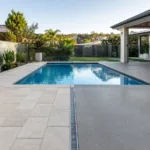

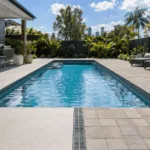

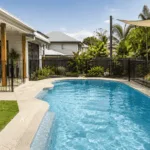
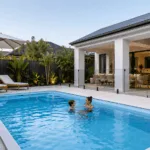
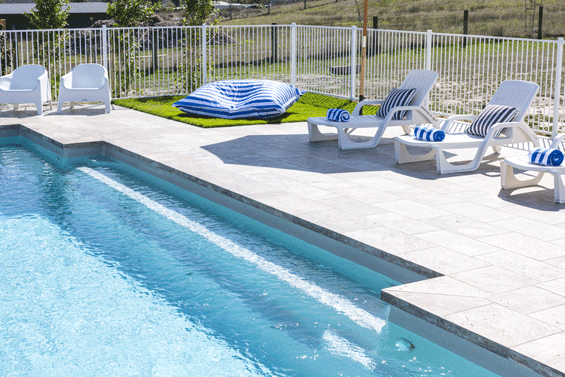
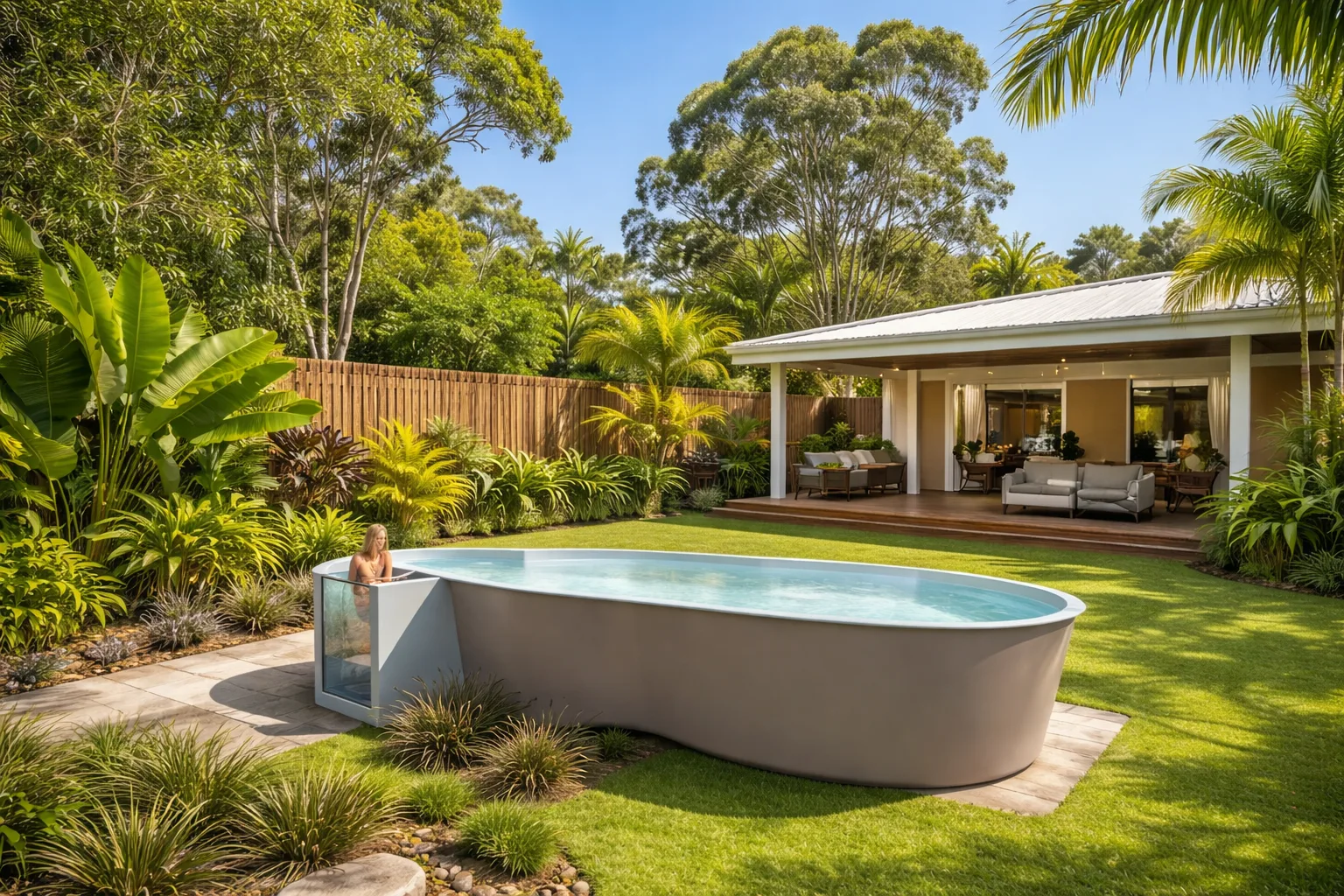
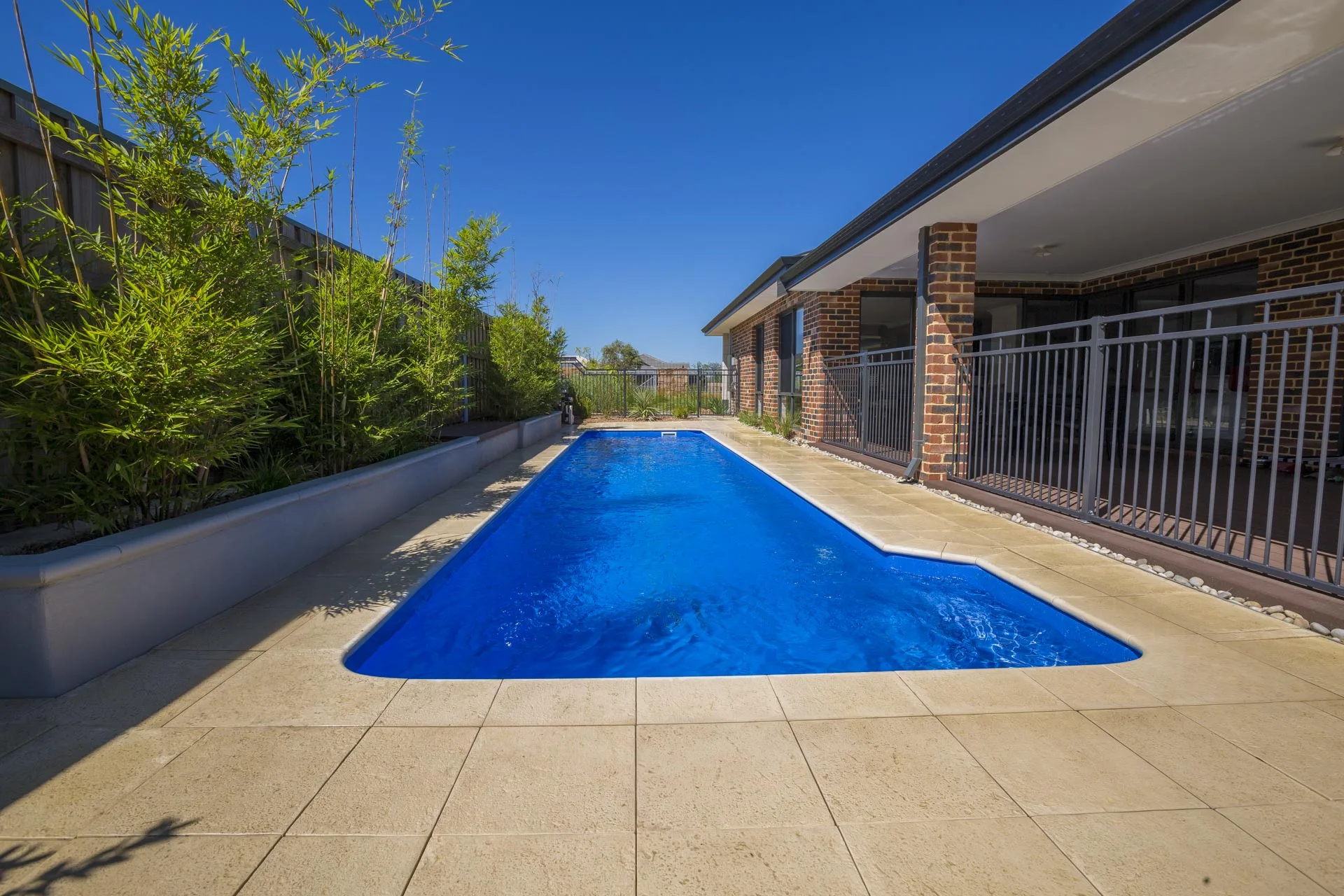
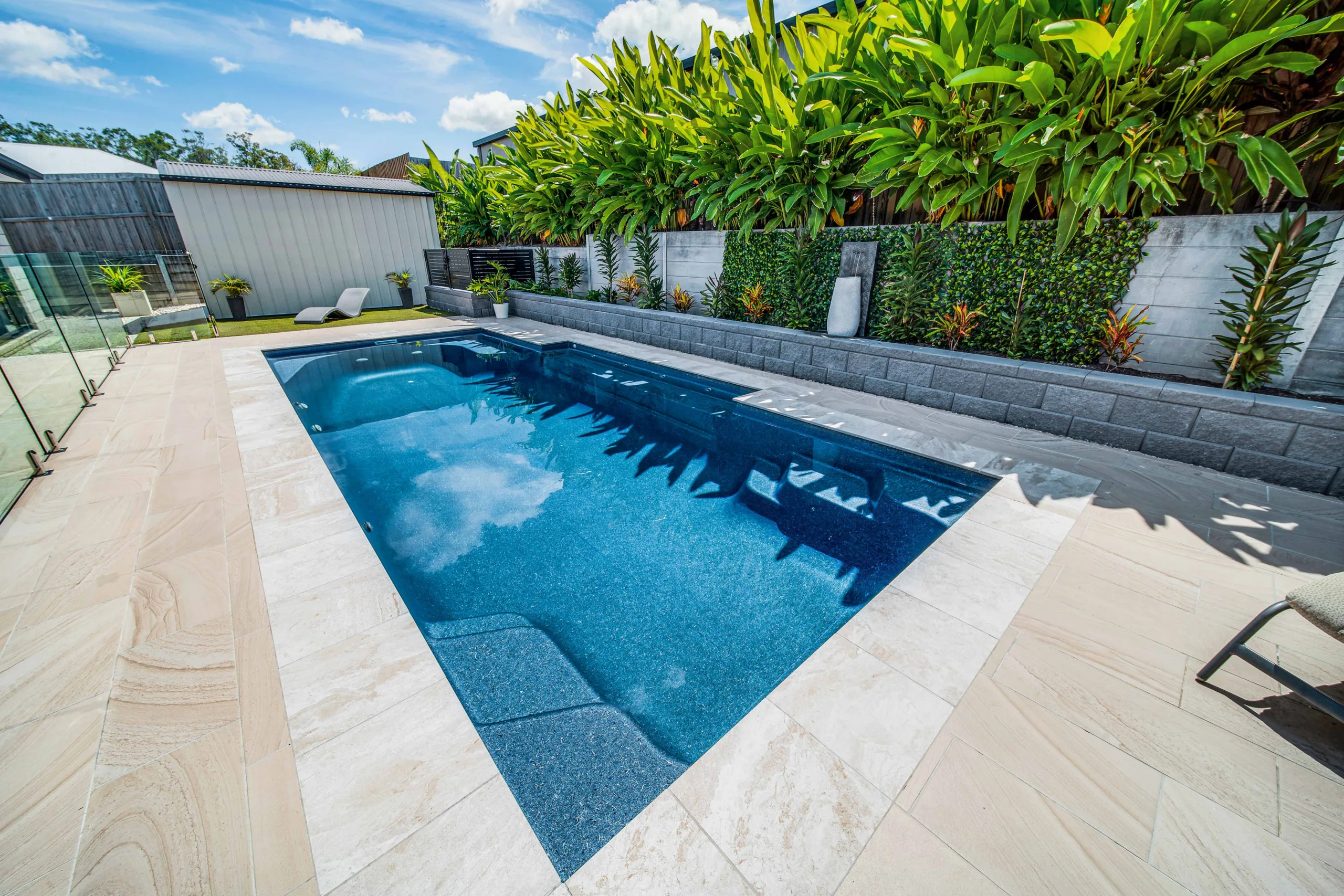
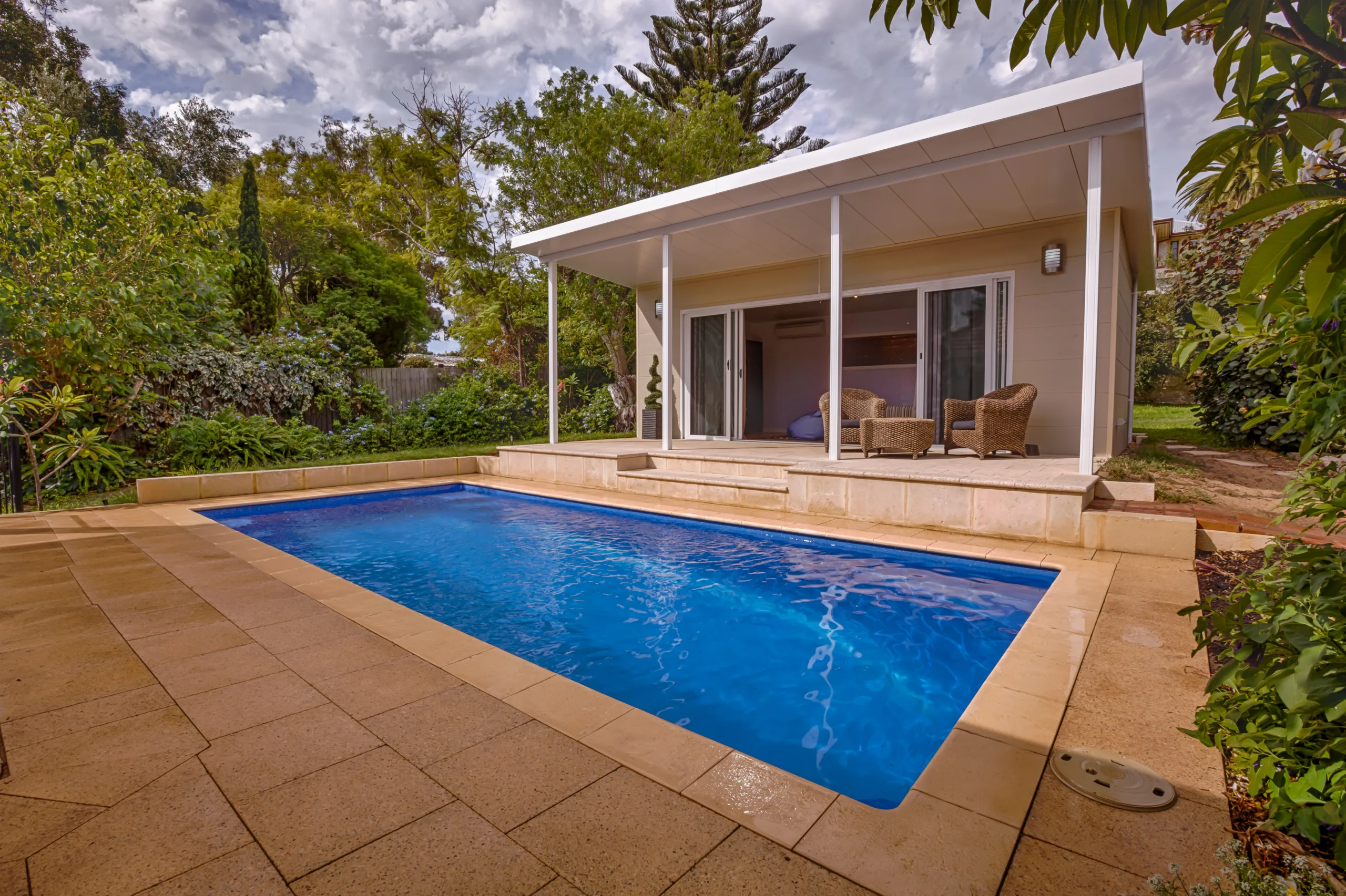
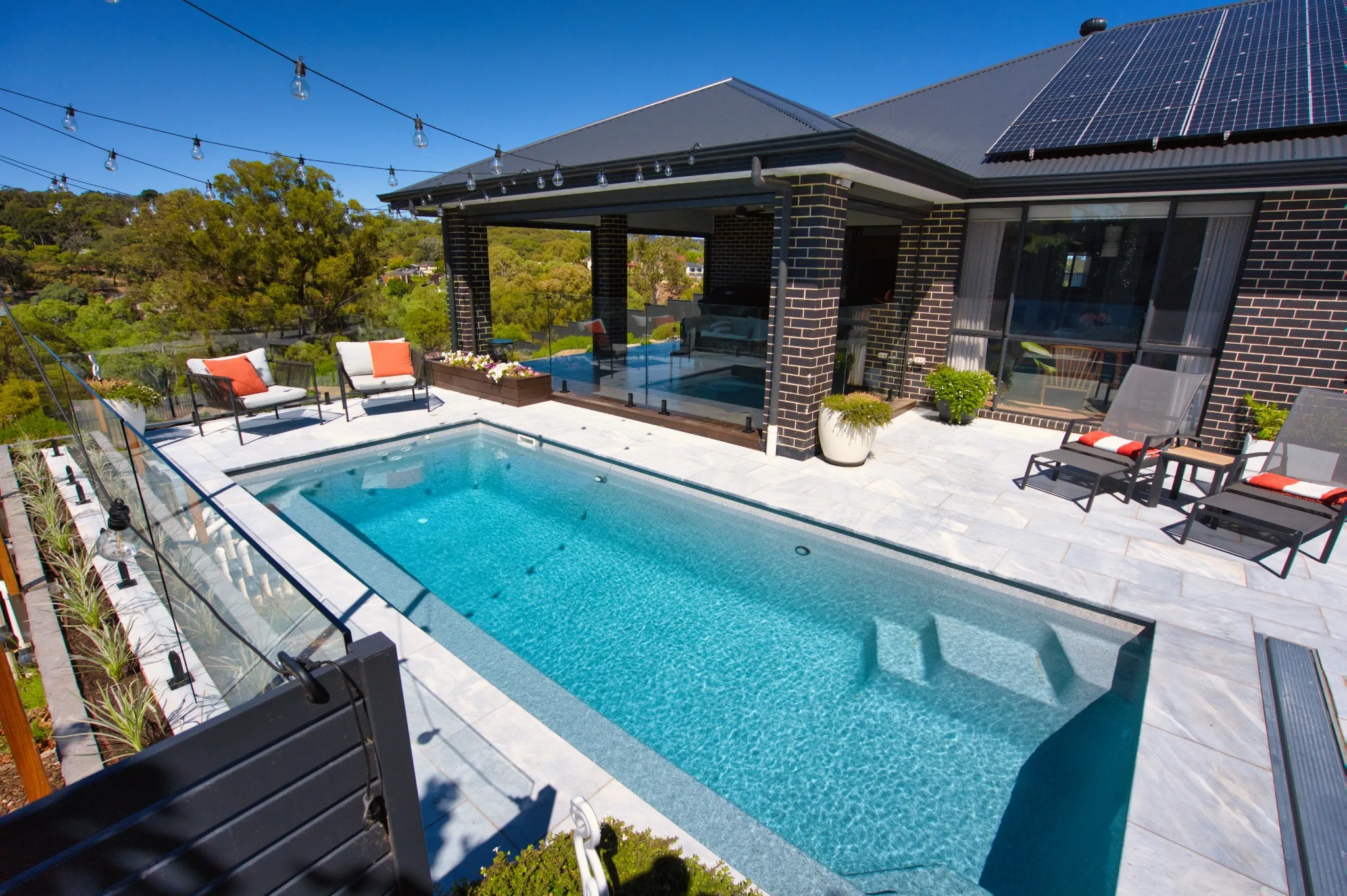
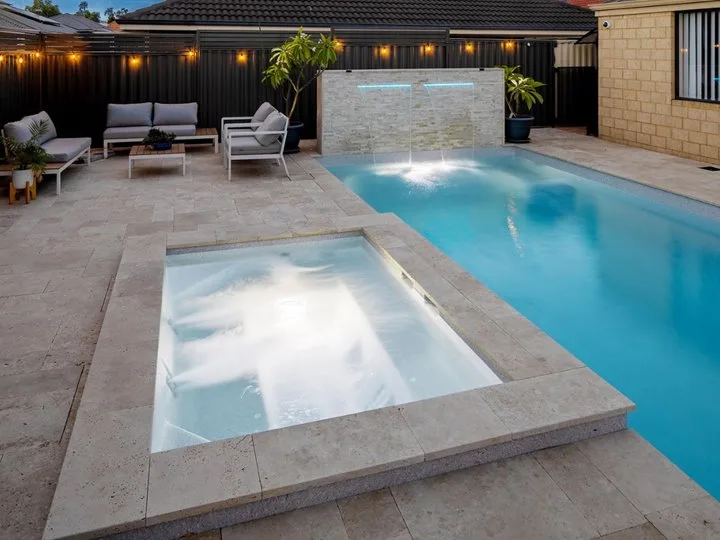
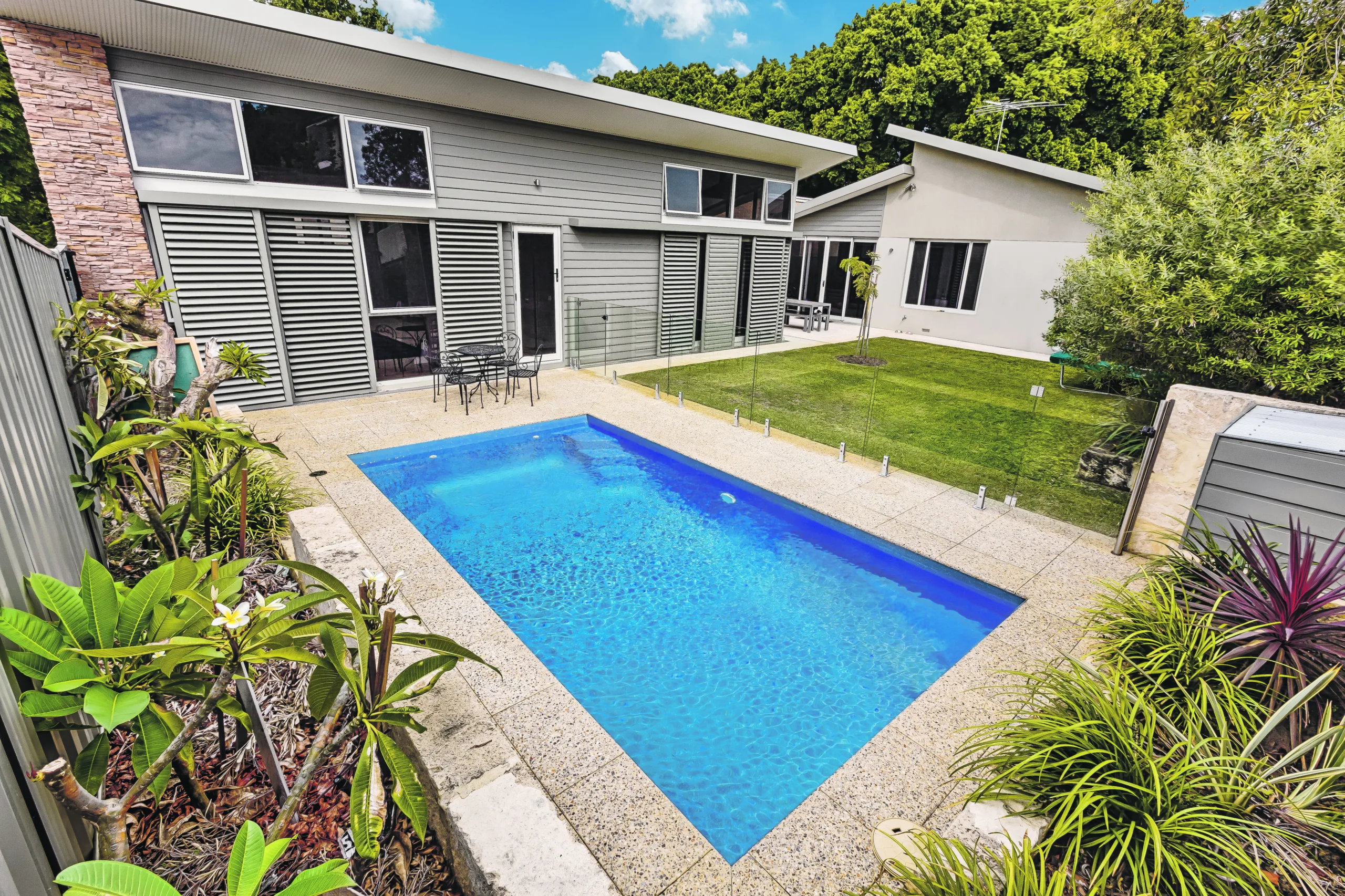
Summer is the season for poolside relaxation, refreshing swims, and family gatherings. However, a murky or poorly maintained pool can quickly turn your summer dreams into a nightmare. To ensure your fibreglass pool remains inviting and crystal clear, it’s essential to implement a robust maintenance routine. Here’s a comprehensive guide to keeping your fibreglass pool sparkling all summer long.
The Importance of Regular Pool Maintenance
A clean fibreglass pool is more than just an aesthetic asset. Proper maintenance ensures safe swimming conditions, prolongs the life of your pool’s surface and equipment, and prevents costly repairs. Neglecting your pool can lead to algae growth, chemical imbalances, and even damage to the fibreglass surface. Regular upkeep allows you to enjoy your pool without interruptions and reduces the risk of health issues caused by contaminated water.
Daily and Weekly Cleaning Routines
Consistency is key when it comes to maintaining a fibreglass pool. Establishing a daily and weekly cleaning routine will help you stay on top of potential problems before they escalate.
- Daily Tasks: Use a skimmer to remove debris such as leaves, insects, and dirt from the water’s surface. This not only keeps the pool looking clean but also prevents debris from sinking and causing stains or clogging the filter.
- Weekly Tasks: Brush the walls and floor of your fibreglass pool with a soft-bristle brush designed for fibreglass surfaces to remove algae and dirt that may not be caught by the filter. Vacuuming the pool, either manually or using an automated pool cleaner, ensures thorough cleaning. Pay special attention to corners and steps where debris tends to accumulate.
Balancing Your Pool’s Chemistry
Maintaining the correct chemical balance in your fibreglass pool is vital for water clarity and swimmer safety. Testing the water regularly and adjusting the chemical levels as needed will prevent cloudy water, skin irritation, and algae growth.
Key Parameters to Monitor:
- pH Level: Aim for a pH level between 7.2 and 7.8. A balanced pH ensures chlorine works effectively.
- Chlorine: Keep free chlorine levels between 1 and 3 parts per million (ppm) to sanitise the water.
- Total Alkalinity: Maintain a range of 80 to 120 ppm to stabilise the pH.
- Calcium Hardness: For fibreglass pools, keep levels on the lower end (around 200 ppm) to prevent scaling.
Invest in a reliable water testing kit or test strips to monitor these parameters. Adjust the levels using the appropriate chemicals, such as pH increasers or decreasers, chlorine, and alkalinity balancers.
Using Pool Filters Effectively
Your fibreglass pool’s filtration system is its first line of defence against dirt and debris. Ensuring your filter operates efficiently will significantly contribute to water clarity.
Types of Filters:
- Sand Filters: Require backwashing to clean the filter media.
- Cartridge Filters: Need periodic cleaning and replacement.
- Diatomaceous Earth (DE) Filters: Offer superior filtration but require regular backwashing and replenishment of DE powder.
Clean the filter according to the manufacturer’s recommendations, and check it regularly for signs of wear or clogging. A dirty or damaged filter can reduce efficiency and lead to cloudy water.

Preventing and Managing Algae Growth
Algae can quickly turn your crystal-clear fibreglass pool into a green, slimy mess. Preventative measures and prompt action are essential to keeping algae at bay.
Prevention Tips:
- Maintain proper chlorine levels and water circulation.
- Brush and vacuum the pool regularly with tools suitable for fibreglass surfaces.
- Use an algaecide as a preventative measure.
Managing Outbreaks: If algae start to appear, shock the pool with a high dose of chlorine and run the filtration system continuously until the water clears. Brush and vacuum thoroughly to remove dead algae, ensuring the fibreglass surface remains undamaged.

Shocking Your Pool: When and How to Do It
Shocking your pool involves adding a large dose of chlorine to eliminate contaminants such as bacteria, algae, and organic debris. This process is essential when chlorine levels drop or after heavy usage.
When to Shock:
- After a pool party or heavy use.
- After rainstorms, which can introduce debris and dilute chemicals.
- When water appears cloudy or has a strong chlorine smell.
Follow the manufacturer’s instructions for the shock treatment, and ensure the pump runs for several hours to distribute the chemicals evenly. Avoid swimming until chlorine levels return to the recommended range.
Seasonal Adjustments for Summer Heat
High temperatures and increased swimmer loads can affect your fibreglass pool’s water chemistry and clarity. During the summer, evaporation can lead to water loss, while higher temperatures can encourage algae growth.
- Coping with Evaporation: Regularly top up your pool’s water level to ensure proper skimming and filtration.
- Adjusting Chemicals: Test water more frequently to account for the increased demand for chlorine and other chemicals.
The Role of Pool Covers in Water Clarity
A pool cover is an often-overlooked tool for maintaining water clarity in a fibreglass pool. Using a cover when your pool is not in use can significantly reduce debris accumulation, evaporation, and heat loss.
Benefits of Pool Covers:
- Prevent leaves, insects, and dirt from entering the pool.
- Minimise chemical consumption by reducing exposure to sunlight.
- Retain heat, making the pool more energy-efficient.
Consider investing in an automated pool cover for convenience and maximum effectiveness.
Eco-Friendly Pool Maintenance Tips
Maintaining your fibreglass pool doesn’t have to come at the expense of the environment. Here are some eco-friendly practices to adopt:
- Use energy-efficient pumps and timers to reduce electricity consumption.
- Opt for natural or low-chemical cleaning products.
- Reuse backwash water for garden irrigation (where permitted).
When to Call a Professional Pool Service
Despite your best efforts, some pool issues may require expert intervention. Here are signs that it’s time to call a professional:
- Persistent cloudy or green water despite regular maintenance.
- Equipment malfunctions, such as a noisy pump or filter leaks.
- Structural issues like cracks or leaks in the fibreglass shell.
Professional pool services can provide thorough cleaning, repairs, and water treatment, ensuring your fibreglass pool remains in top condition.
Conclusion
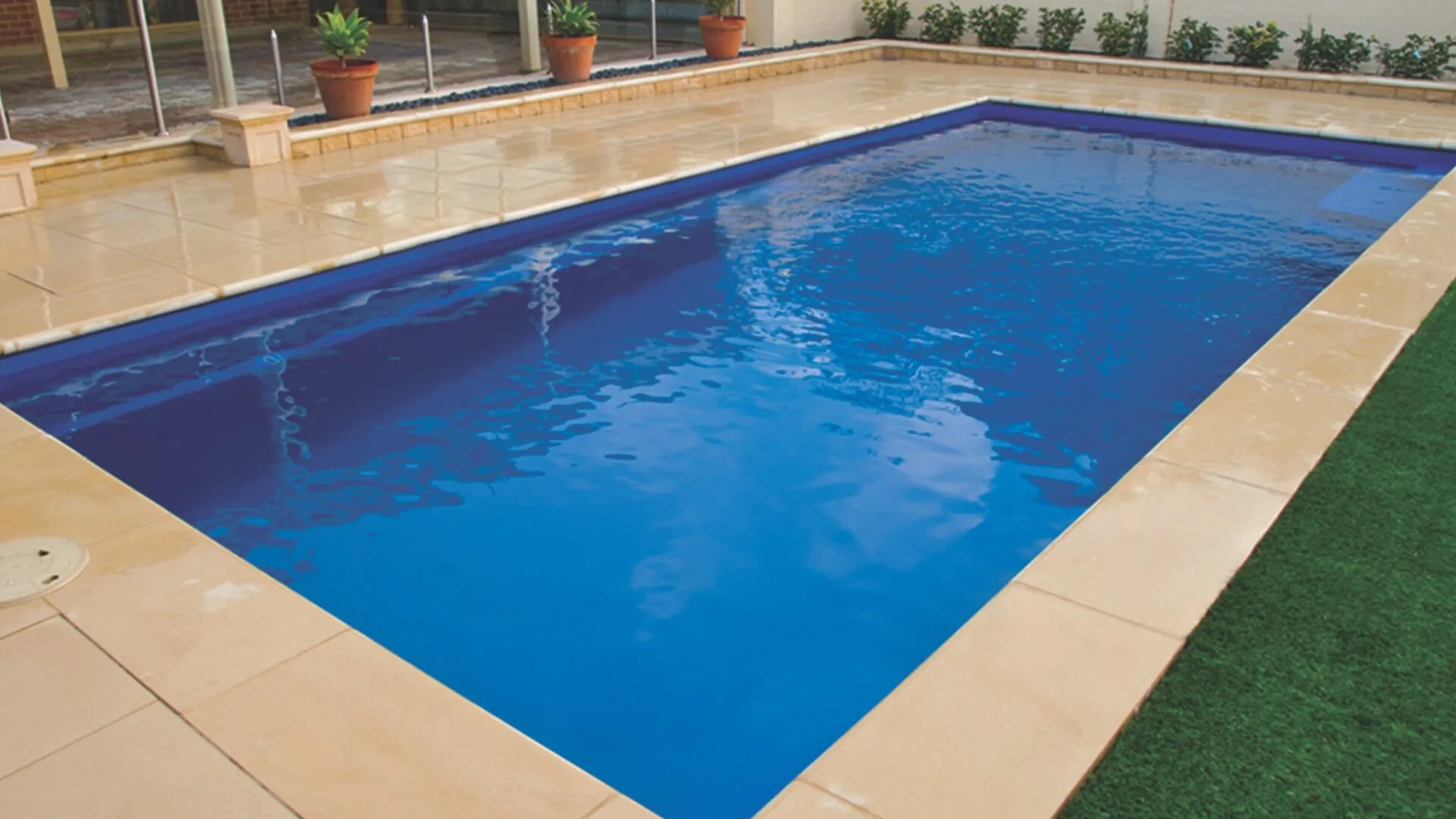
Keeping your fibreglass pool crystal clear all summer long requires a combination of regular cleaning, proper chemical balance, and effective use of equipment. By following these tips and routines, you can enjoy a pristine pool that’s always ready for a refreshing dip. Whether you’re hosting a summer party or simply relaxing by the water, a well-maintained pool is the ultimate summer companion.
For expert fibreglass pool maintenance and construction services, contact Complete Creative Constructions. Let us help you achieve the pool of your dreams, so you can enjoy a crystal-clear oasis all season long.
