


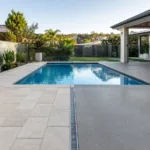
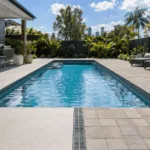

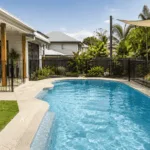
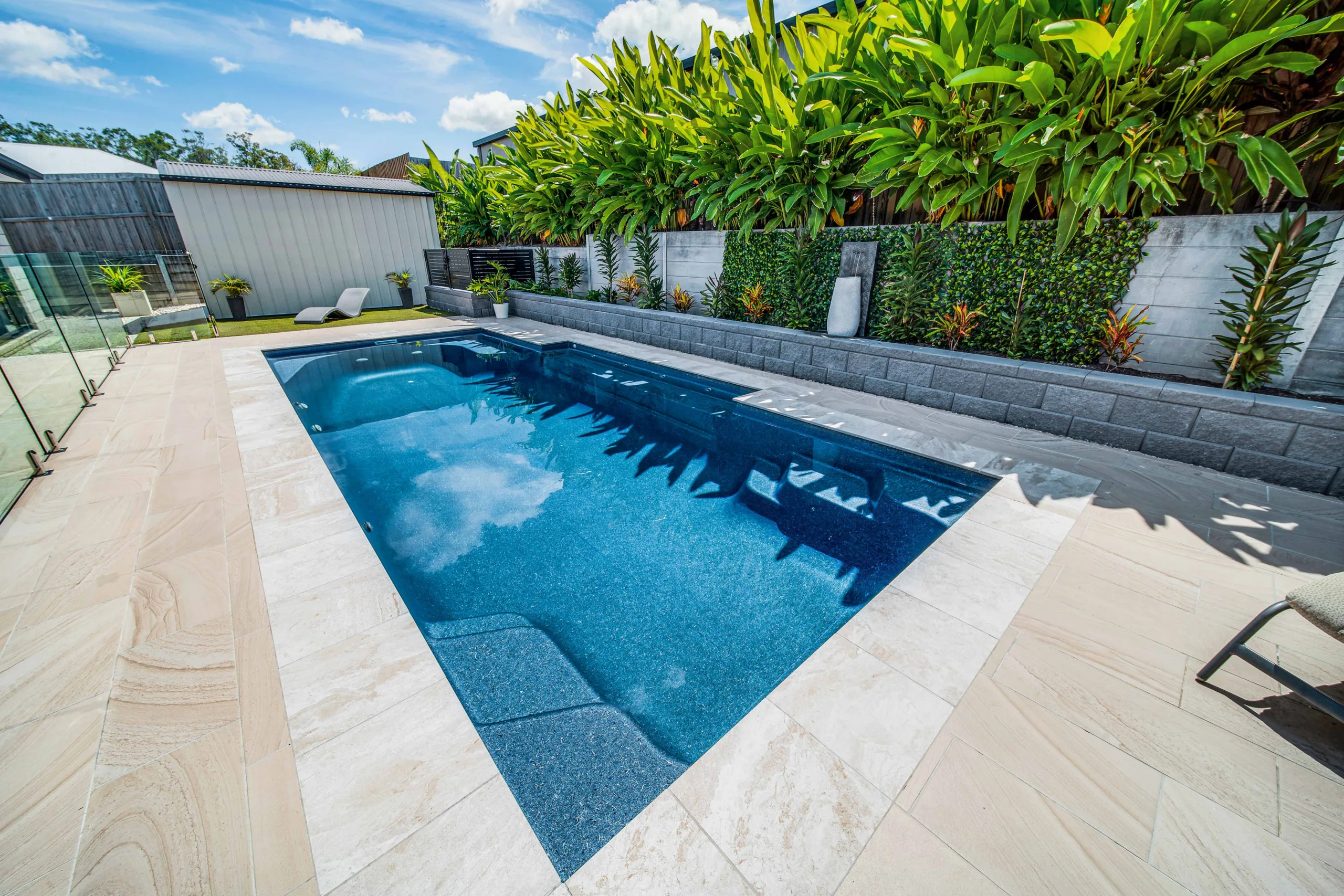
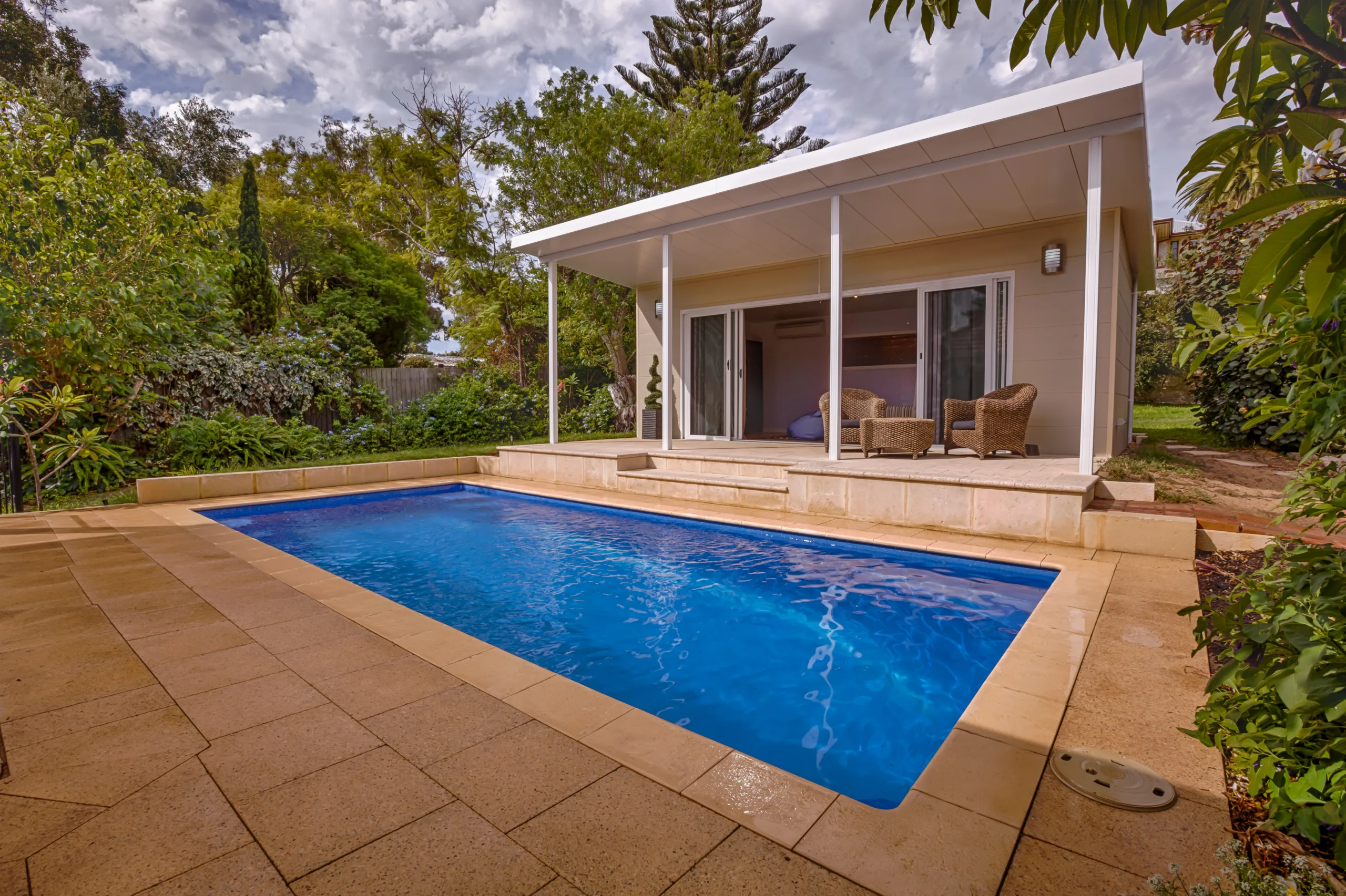
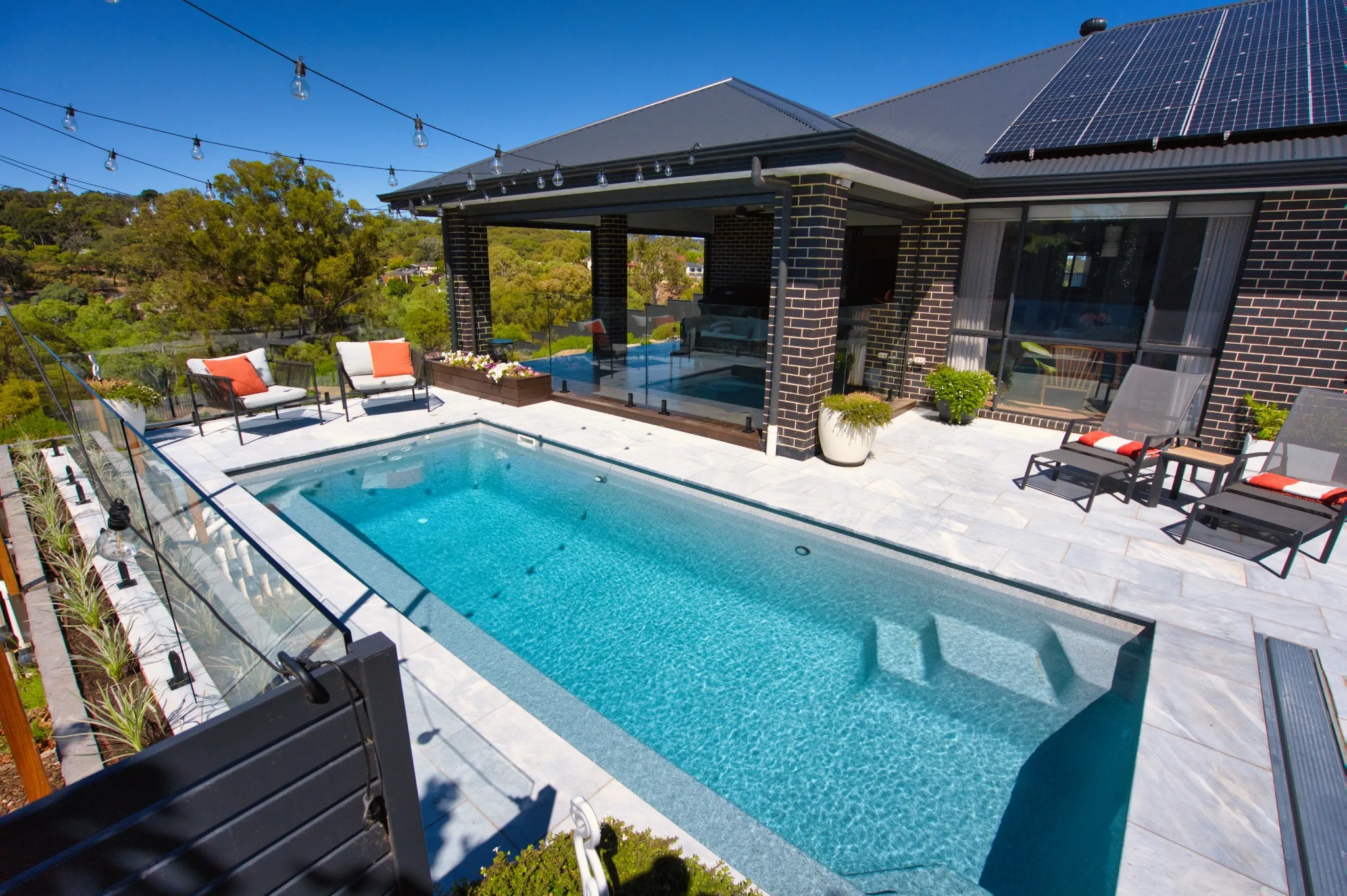
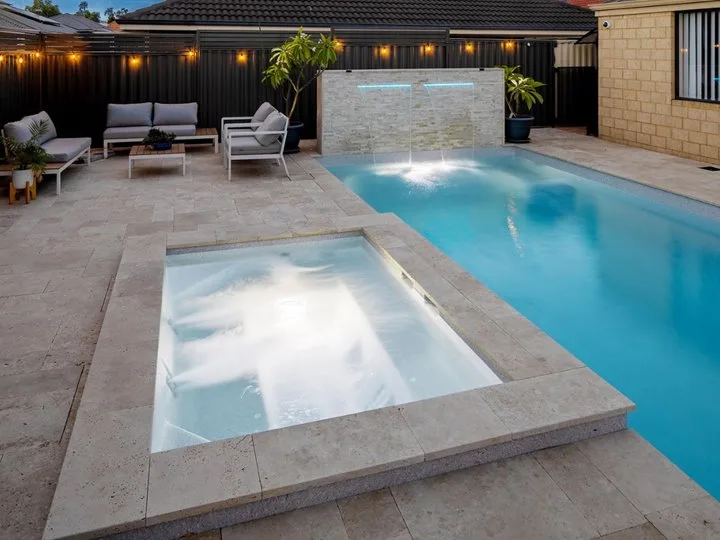
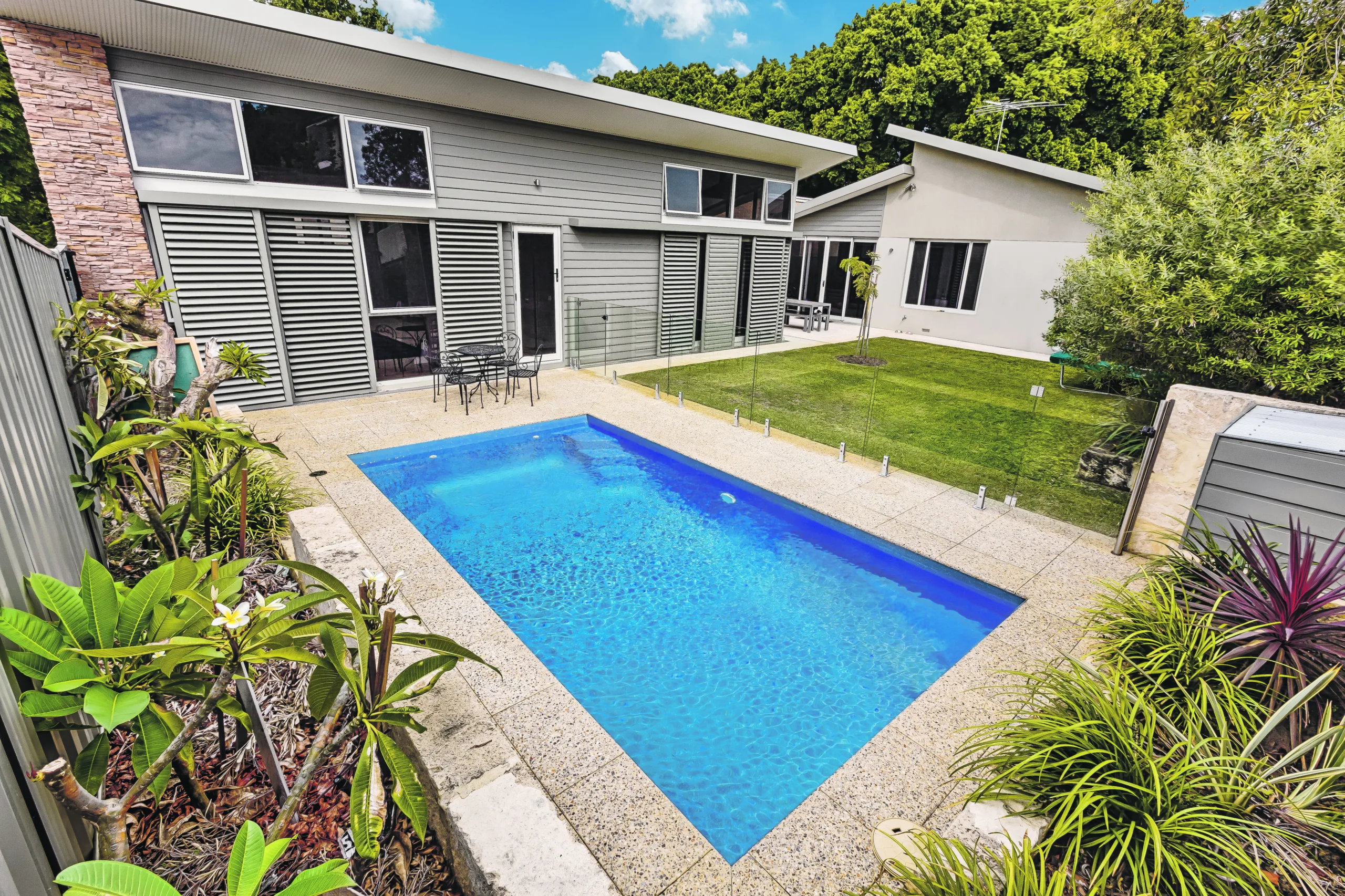
Building a swimming pool is one of the most exciting investments a Brisbane homeowner can make. With our warm subtropical climate, a backyard pool isn’t just a luxury—it’s a lifestyle upgrade that brings entertainment, relaxation, and added property value. Fibreglass pools, in particular, have become an increasingly popular choice due to their durability, relatively quick installation, and low-maintenance nature.
However, while many homeowners budget for the obvious costs—such as the pool shell and installation—there are several hidden or easily overlooked expenses that can significantly impact the final price. Without proper planning, what initially seemed like a manageable project can quickly stretch beyond expectations. Understanding these factors in advance is key to avoiding financial stress and ensuring a smooth pool-building experience.
The Real Cost of Site Preparation
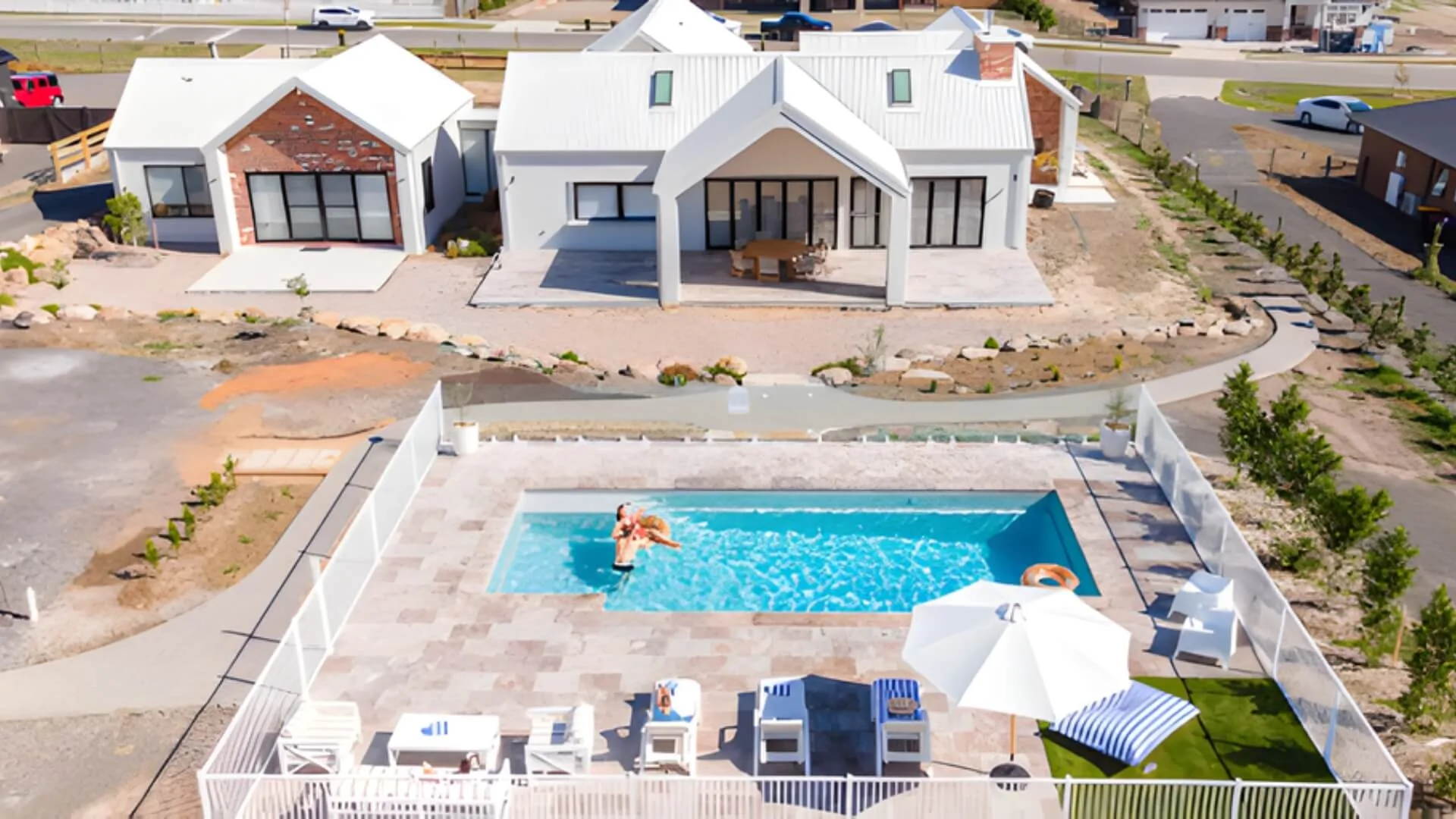
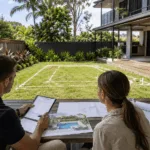
One of the most commonly underestimated aspects of installing a fibreglass pool in Brisbane is site preparation. While fibreglass pools are often quicker to install than concrete pools, the condition of your property plays a major role in overall costs.
Many Brisbane homes sit on sloping blocks, rocky soil, or areas with high clay content, all of which can complicate excavation. If your backyard isn’t level, additional earthworks may be required to create a stable foundation for the pool. In some cases, retaining walls may be needed, adding thousands of dollars to the project.
Similarly, access to your backyard is another crucial factor. If heavy machinery cannot easily reach your property due to narrow side access, trees, or existing structures, you may need to pay extra for manual excavation or smaller equipment. These logistical challenges are often overlooked during initial budgeting but can make a significant difference to the final cost.
Fencing and Compliance Costs
In Queensland, pool safety laws are strict—and for good reason. All residential swimming pools must comply with Queensland pool fencing regulations, which means you will need a compliant pool fence before your pool can be filled with water.
Many homeowners assume that installing a fence is a minor expense, but depending on the style, materials, and layout of your yard, fencing can be a substantial cost. Glass pool fencing, for example, is a popular and stylish choice but is typically more expensive than aluminium or tubular steel options.
Beyond installation, you will also need to factor in certification costs. A licensed pool safety inspector must assess your pool barrier to ensure compliance. If any issues are identified, you may need to make adjustments before receiving approval, which can result in additional expenses.
Plumbing, Electrical, and Equipment Upgrades
The fibreglass pool shell itself is just one part of the overall system. To keep your pool clean, safe, and energy-efficient, you will need a range of equipment that should be included in your budget.
Most pool packages include basic filtration and circulation systems, but many Brisbane homeowners opt to upgrade for better performance and lower long-term running costs. Variable-speed pumps, for instance, are more energy-efficient than standard pumps and can significantly reduce electricity bills over time.
You may also want to consider additional features such as saltwater chlorination systems, heating, or automation systems that allow you to control your pool via a smartphone. While these are optional, they are popular add-ons that can quickly increase your overall spend if not accounted for early in the planning stage.
Additionally, electrical work is often required to power pumps, lighting, and heating systems. If your existing electrical setup needs upgrading, this can be another unexpected cost.
Landscaping and Finishing Touches
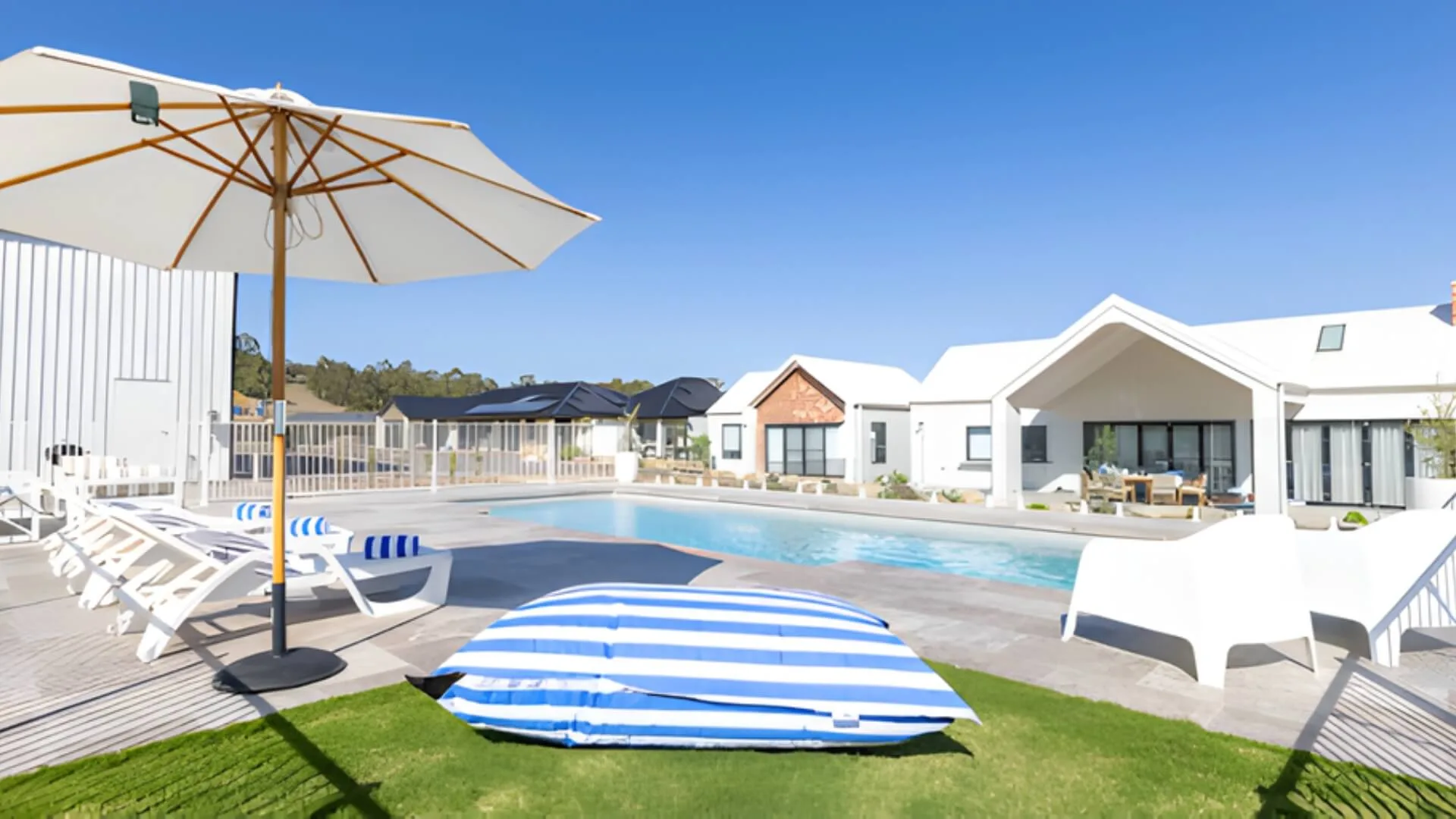
Once your fibreglass pool is installed, your backyard is unlikely to look picture-perfect right away. Excavation and construction can leave your garden disrupted, and many homeowners underestimate the cost of restoring or enhancing their outdoor space.
You may need to budget for new turf, paving, decking, or retaining walls to complete the look of your pool area. Brisbane’s climate also means that selecting appropriate plants that can withstand heat and humidity is important, which may require professional landscaping assistance.
While landscaping may feel like an optional extra, it plays a huge role in the overall enjoyment and aesthetics of your pool area. Planning for this in advance will help prevent disappointment after installation.
Ongoing Maintenance and Running Costs
no maintenance. While they are generally lower maintenance than concrete pools due to their smooth, non-porous surface, they still require regular care.
You will need to budget for ongoing costs such as pool chemicals, electricity, routine servicing, and occasional repairs. Brisbane’s hot summers can also increase evaporation, meaning you may need to top up your pool more frequently.
If you choose to install a pool heater, running costs will be higher during cooler months. Even without heating, electricity usage for pumps and filtration systems should be factored into your household budget.
Council Approvals and Hidden Fees
Before installing a pool in Brisbane, you may need to obtain council approval depending on your location and property zoning. Many homeowners assume this is a simple process, but application fees, documentation, and potential delays can add to both time and cost.
In some cases, additional engineering reports or soil assessments may be required, particularly if your property is in a flood-prone area or has complex geological conditions. These professional assessments come at an additional cost but are essential for ensuring the structural integrity of your pool.
Planning for the Unexpected
No matter how carefully you plan, unexpected challenges can arise during a pool build. Brisbane’s unpredictable weather, particularly during storm season, can cause delays or additional expenses if excavation is interrupted by heavy rain.
It’s wise to set aside a contingency budget—typically around 10 to 15 per cent of your total project cost—to cover any surprises. This buffer can provide peace of mind and prevent financial strain if things don’t go exactly as planned.
Final Thoughts
Building a fibreglass pool in Brisbane is a fantastic investment that can transform your home and lifestyle. However, proper budgeting goes far beyond the advertised pool package price. By considering site preparation, fencing, equipment, landscaping, ongoing maintenance, and council requirements, you can avoid costly surprises and enjoy a smoother pool-building journey.
Taking the time to plan thoroughly, ask questions, and work with reputable local pool installers will help ensure that your dream pool becomes a stress-free reality—one that you and your family can enjoy for years to come.