




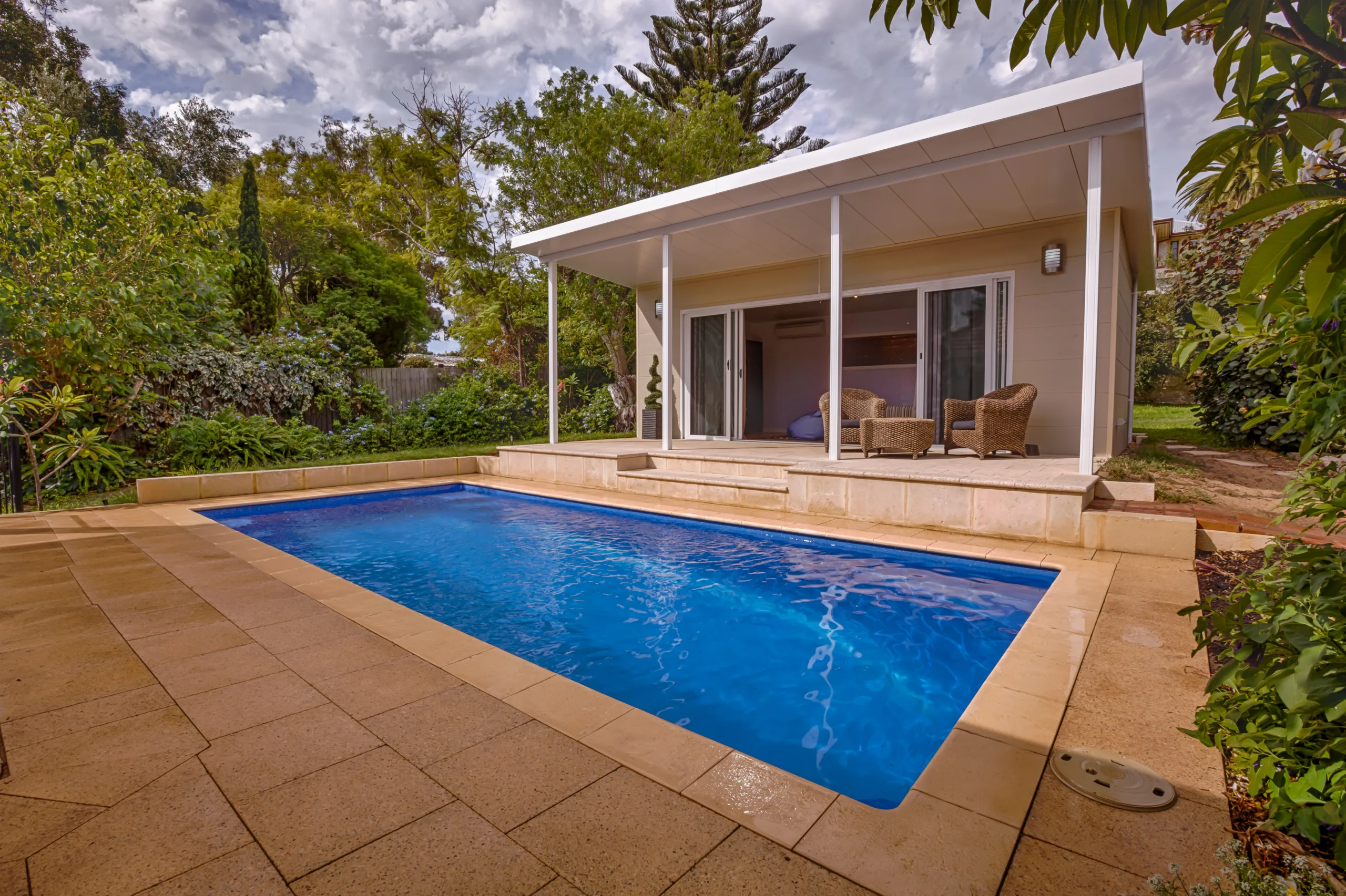
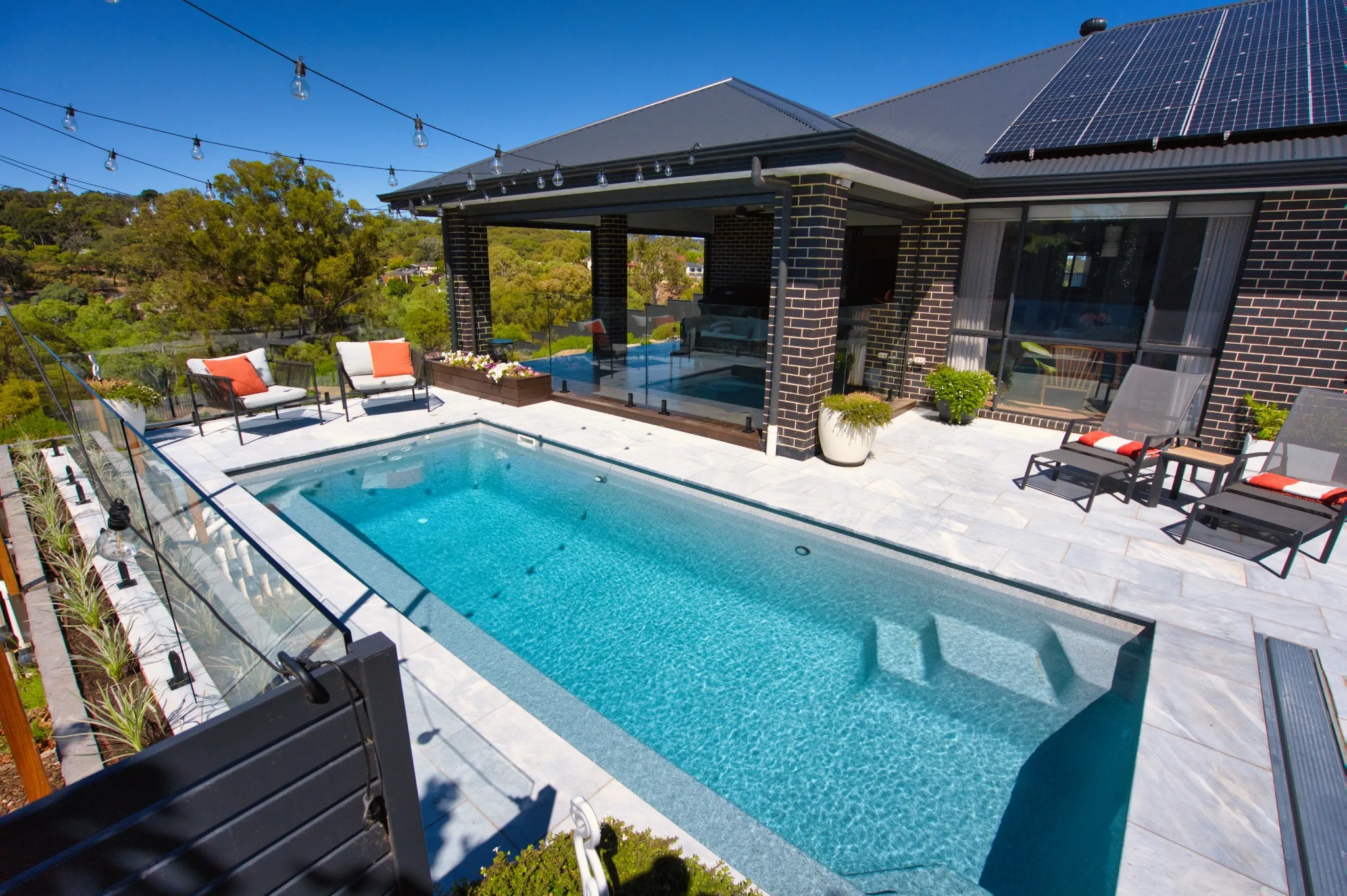
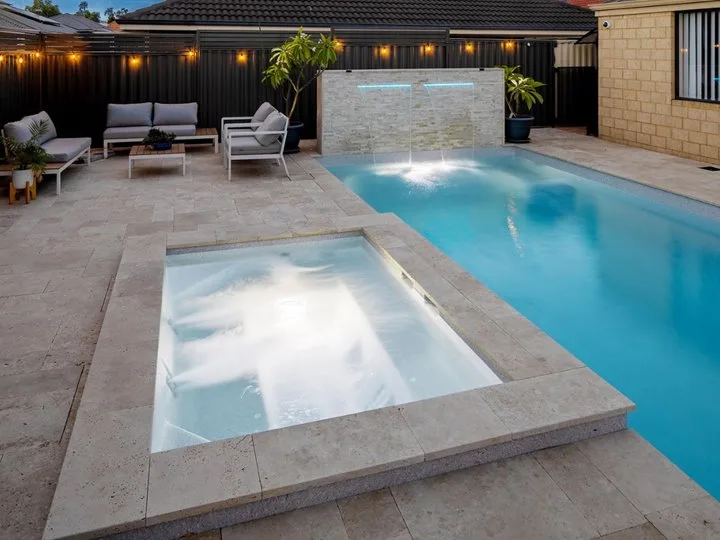
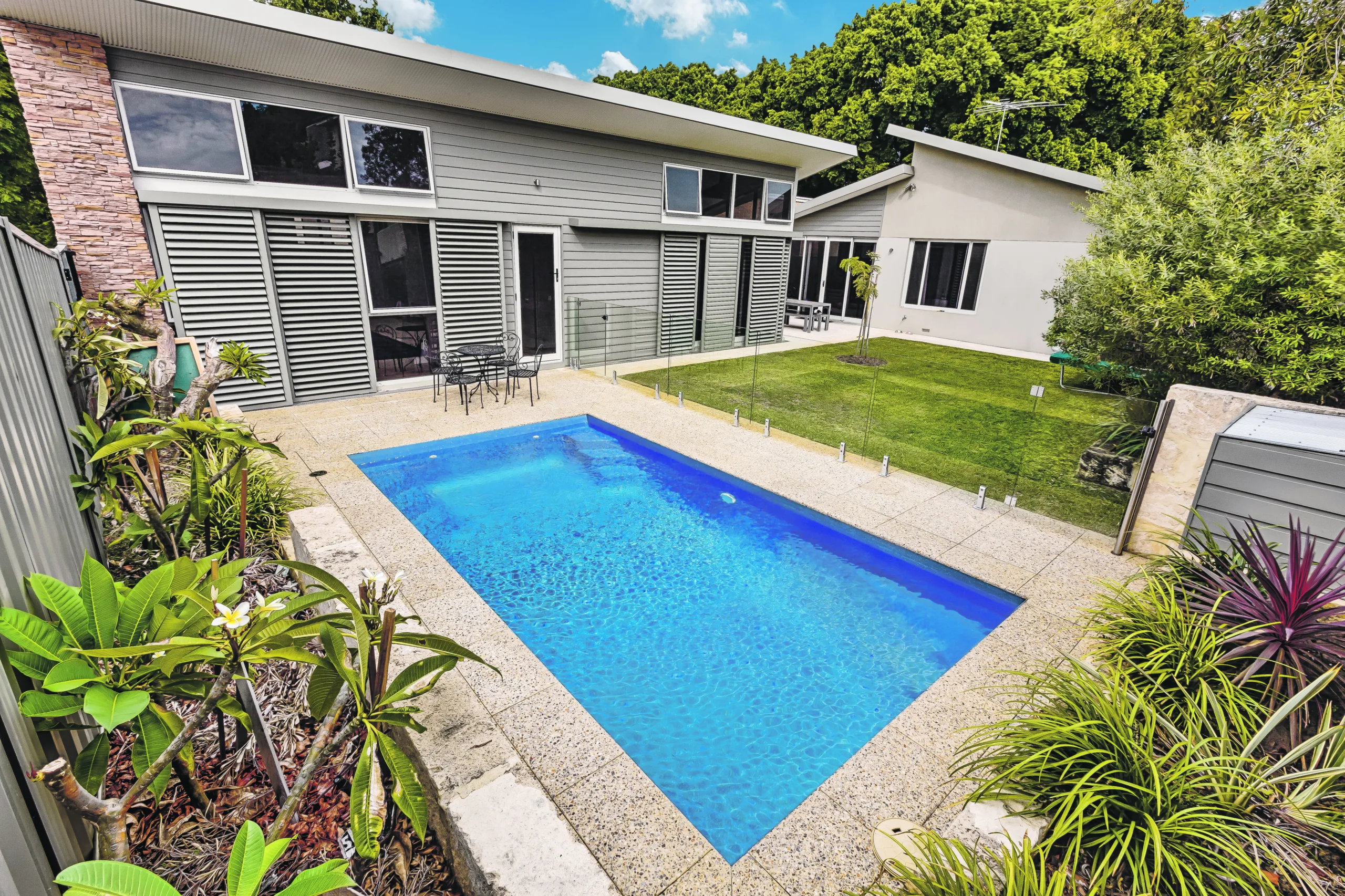
When it comes to creating a backyard oasis, many South Brisbane families find themselves deciding between concrete vs fibreglass pools. While both options can deliver a beautiful and functional swimming area, fibreglass pools have become the go-to choice for homeowners who value convenience, comfort, and long-term value.
Families are choosing fibreglass pools for their sleek design, smooth finish, and quicker installation process — meaning you can start enjoying your pool much sooner. They also require less maintenance compared to traditional concrete pools, helping families save time and money in the long run.
For those looking to transform their backyard into a relaxing retreat without the stress of high maintenance, fibreglass pools are proving to be a smarter, family-friendly choice.
Why Fibreglass Pools Are Gaining Popularity Over Concrete
Across South Brisbane, more families are realising the benefits of fibreglass pools. The key difference between fibreglass and concrete pools lies in their construction, maintenance needs, and overall user experience.
Fibreglass pools are pre-manufactured shells, making them faster and easier to install, whereas concrete pools are built on-site — a process that can take several months. When comparing concrete vs fibreglass pools, it’s easy to see why fibreglass has gained traction. Their smooth, non-porous surfaces prevent algae build-up, resulting in cleaner water and less time spent on upkeep.
Homeowners also appreciate how fibreglass pools are designed for durability, flexibility, and comfort underfoot. In contrast, concrete pools can be rough to the touch and may require resurfacing over time. The appeal of fibreglass pools is clear — they offer a stress-free, stylish, and long-lasting swimming solution for families of all sizes.
Difference Between fibreglass and Concrete Pools
Understanding the difference between fibreglass and concrete pools can help you make a confident choice for your home. Concrete pools are fully customisable in shape and size, allowing creative designs that fit unique spaces. However, this flexibility comes with longer construction times and higher costs.
On the other hand, fibreglass pools come in pre-designed shapes that still offer plenty of variety — from family-friendly lap pools to compact plunge options. When it comes to fibreglass vs concrete pools pros and cons, fibreglass offers faster installation, smoother surfaces, and lower maintenance. Concrete pools may appeal to those seeking a completely custom build but require more upkeep and repairs over time.
Ultimately, fibreglass pools strike a balance between style, practicality, and cost-efficiency — making them a top choice for busy South Brisbane families who want to spend more time swimming and less time maintaining their pool.
The Advantages of Choosing a Fibreglass Pool for Your Family

When deciding between concrete vs fibreglass pools, many South Brisbane homeowners find that fibreglass delivers unbeatable value. Not only are they faster to install, but they also require less maintenance, saving time and money for families with busy schedules. Fibreglass pools are also known for their sleek, modern finishes and superior comfort — ideal for children and adults alike.
Below are some of the top reasons families are choosing fibreglass pools.
Quick and Hassle-Free Installation
One of the biggest fibreglass vs concrete pools pros and cons is installation speed. Fibreglass pools can be installed in as little as one to two weeks, while concrete pools often take months. The difference between fibreglass and concrete pools is clear — fibreglass arrives pre-shaped, ready for installation, reducing delays caused by weather or on-site construction. This means your family can dive into summer fun faster and with less disruption to your home.
Low Maintenance and Easy Cleaning
When comparing fibreglass vs concrete pools pros and cons, maintenance is where fibreglass truly shines. The difference between fibreglass and concrete pools lies in their surfaces — fibreglass is non-porous, which means algae and bacteria struggle to grow. With less need for scrubbing and chemicals, families enjoy cleaner water and fewer chores, making fibreglass the clear winner for easy upkeep.
Durability and Longevity
In the discussion of fibreglass vs concrete pools pros and cons, durability is often a deciding factor. While concrete pools are sturdy, fibreglass pools are engineered to flex slightly, making them resistant to cracking — a common issue in concrete. The difference between fibreglass and concrete pools is their resilience: fibreglass maintains its shape and finish for decades, providing peace of mind for families investing in their home.
Cost-Effective Over Time
Looking at fibreglass vs concrete pools pros and cons, cost-effectiveness over time stands out. While fibreglass pools may have a similar upfront cost, the difference between fibreglass and concrete pools becomes evident in long-term expenses. Fibreglass requires fewer repairs, less chemical use, and no resurfacing, saving thousands over the years — a smart investment for budget-conscious families.
Comfort and Safety
The difference between fibreglass and concrete pools isn’t just about structure — it’s also about comfort. Concrete surfaces can feel rough and abrasive, while fibreglass offers a smooth, gentle finish that’s kinder to skin and swimwear. Among the fibreglass vs concrete pools pros and cons, safety and comfort make fibreglass a standout option for families with young children or frequent swimmers.
Conclusion
When weighing up concrete vs fibreglass pools, it’s easy to see why more South Brisbane families are making the switch. Fibreglass pools offer speed, comfort, and long-term savings — everything a family needs for endless summer enjoyment.
Ready to transform your backyard into a resort-style retreat?
Call Complete Creative Constructions today on 0403 647 847 to discuss your dream pool and get started with a free quote.
FAQs
How Long Does It Take to Install a Fibreglass Pool Compared to a Concrete Pool?
The difference between fibreglass and concrete pools is installation time. Fibreglass pools can be installed in one to two weeks, while concrete pools may take up to three months, depending on design and weather conditions.
Is a Fibreglass Pool Better Than Concrete?
When considering the difference between fibreglass and concrete pools, fibreglass is generally preferred for its smooth surface, low maintenance, and quick installation, making it ideal for busy families.
How Much Maintenance Do Fibreglass Pools Require?
The difference between fibreglass and concrete pools in maintenance is significant — fibreglass pools need fewer chemicals and less scrubbing, helping families save time and money year-round.
Can I Customise the Shape and Size of a Fibreglass Pool?
Yes! Although fibreglass pools come in pre-made shapes, there’s still a wide variety of styles available. The difference between fibreglass and concrete pools is that concrete allows full customisation, while fibreglass offers quicker installation and easy maintenance.