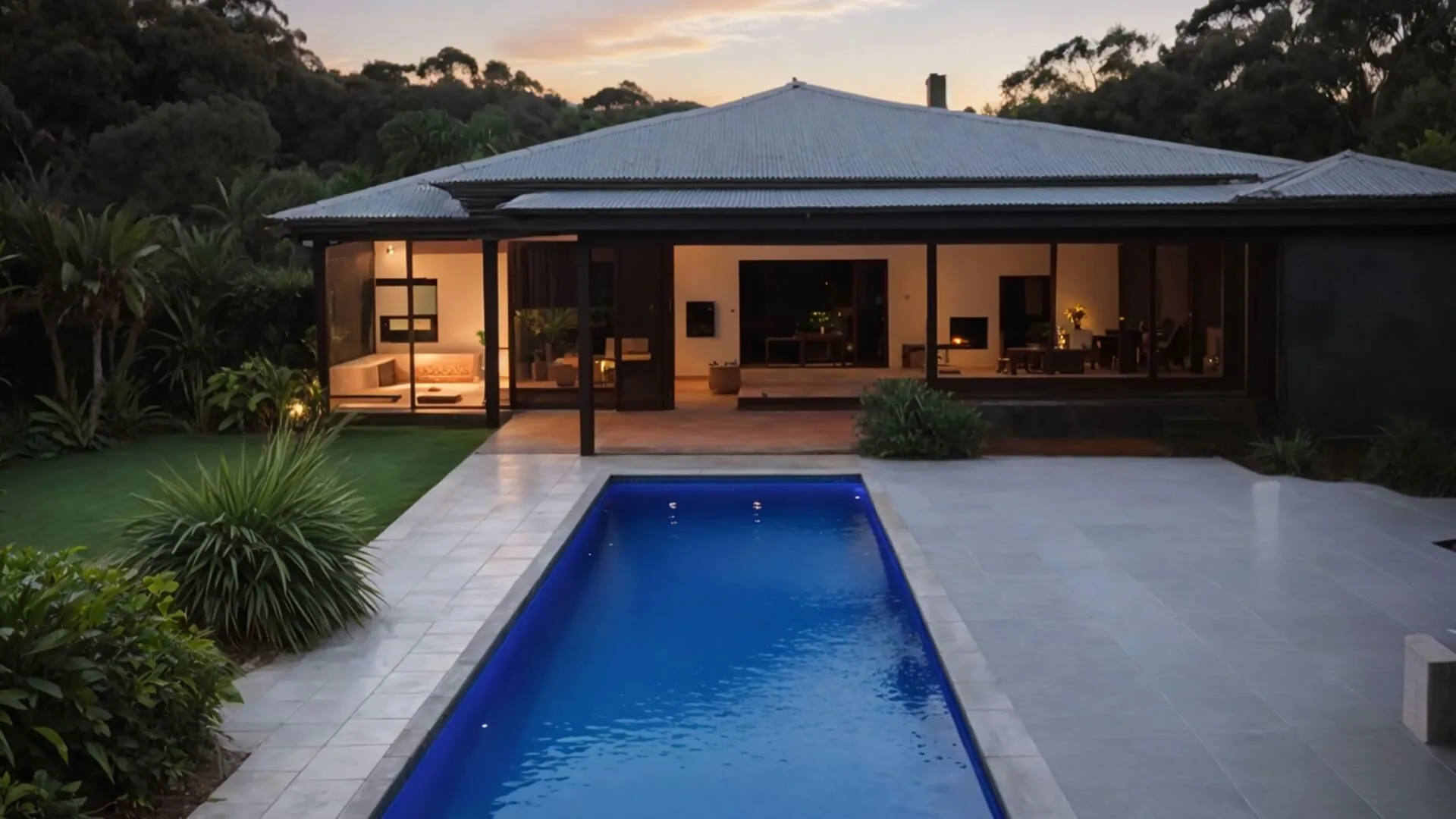



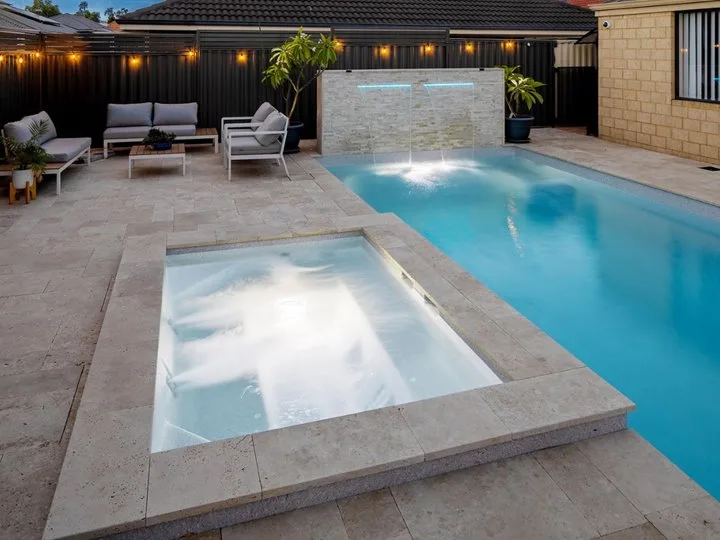
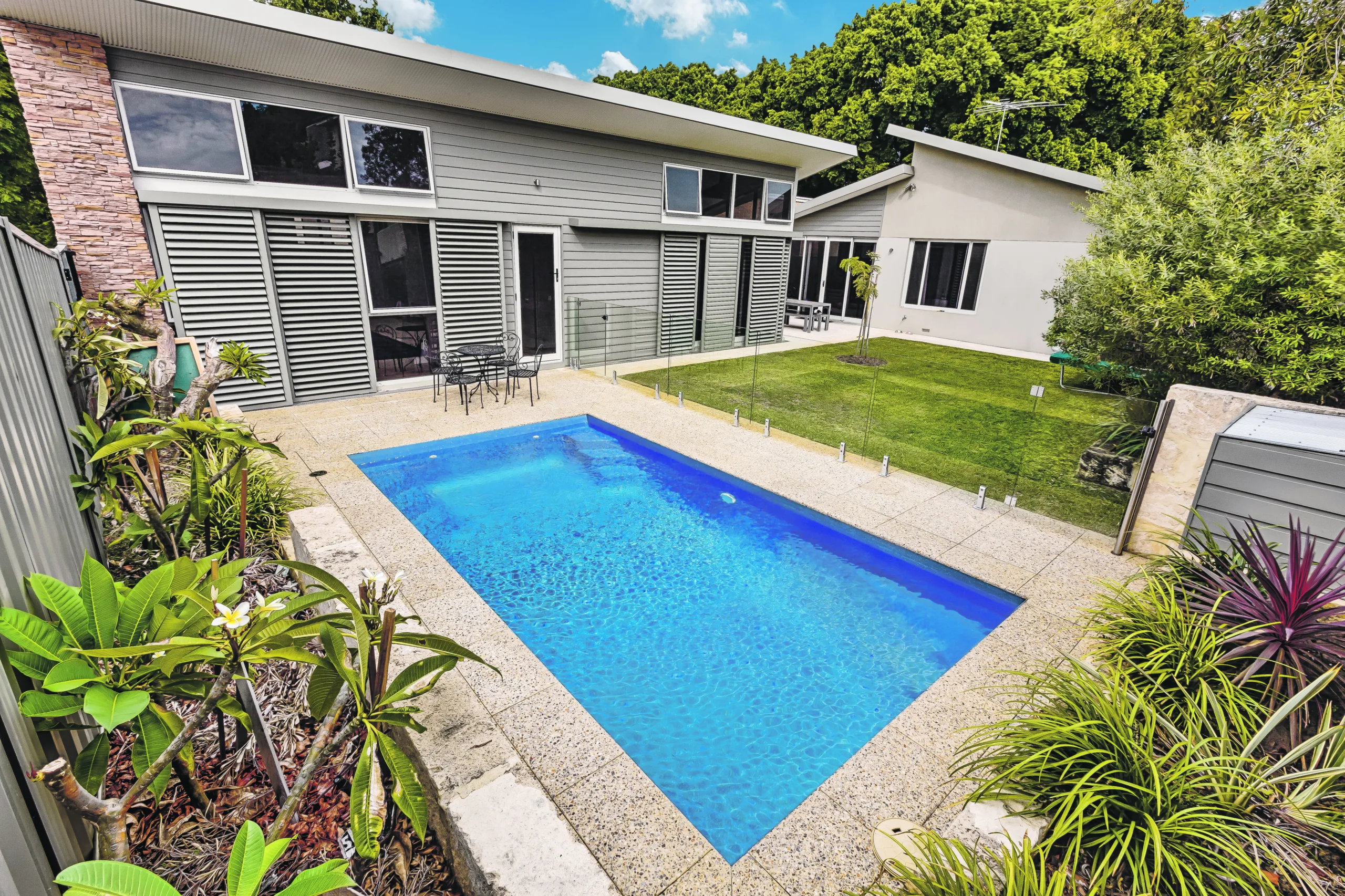
Australia’s summer heat can be intense, with temperatures often rising above 30°C and even hitting over 40°C. For many, a pool is the best way to cool off. However, not all pools are suitable for extreme heat. Fibreglass pools, in particular, are an excellent choice for handling Australia’s scorching summers. Here’s why fibreglass pools are perfect for hot climates.

The Aussie Summer: Understanding the Extreme Heat
Australia is known for its hot summers, with long periods of heatwaves and high temperatures. Coastal regions experience humidity, making the heat feel even more oppressive. While having a pool is the best way to cool off, traditional pools like concrete or vinyl often absorb heat, making the water uncomfortably warm. Fibreglass pools, however, stay cooler for longer, making them a better option in extreme heat.
What Makes Fibreglass Pools Unique for Hot Climates?
Fibreglass is naturally heat-resistant. Unlike concrete, which absorbs heat, fibreglass reflects sunlight, helping keep the pool water cooler. The smooth surface of fibreglass also prevents heat absorption, unlike concrete or vinyl, which can become warmer in the sun.
Fibreglass pools are also pre-moulded, meaning they are made off-site and delivered as a single structure. This helps them maintain their shape even in extreme temperatures, unlike concrete pools, which are more prone to cracking and warping.
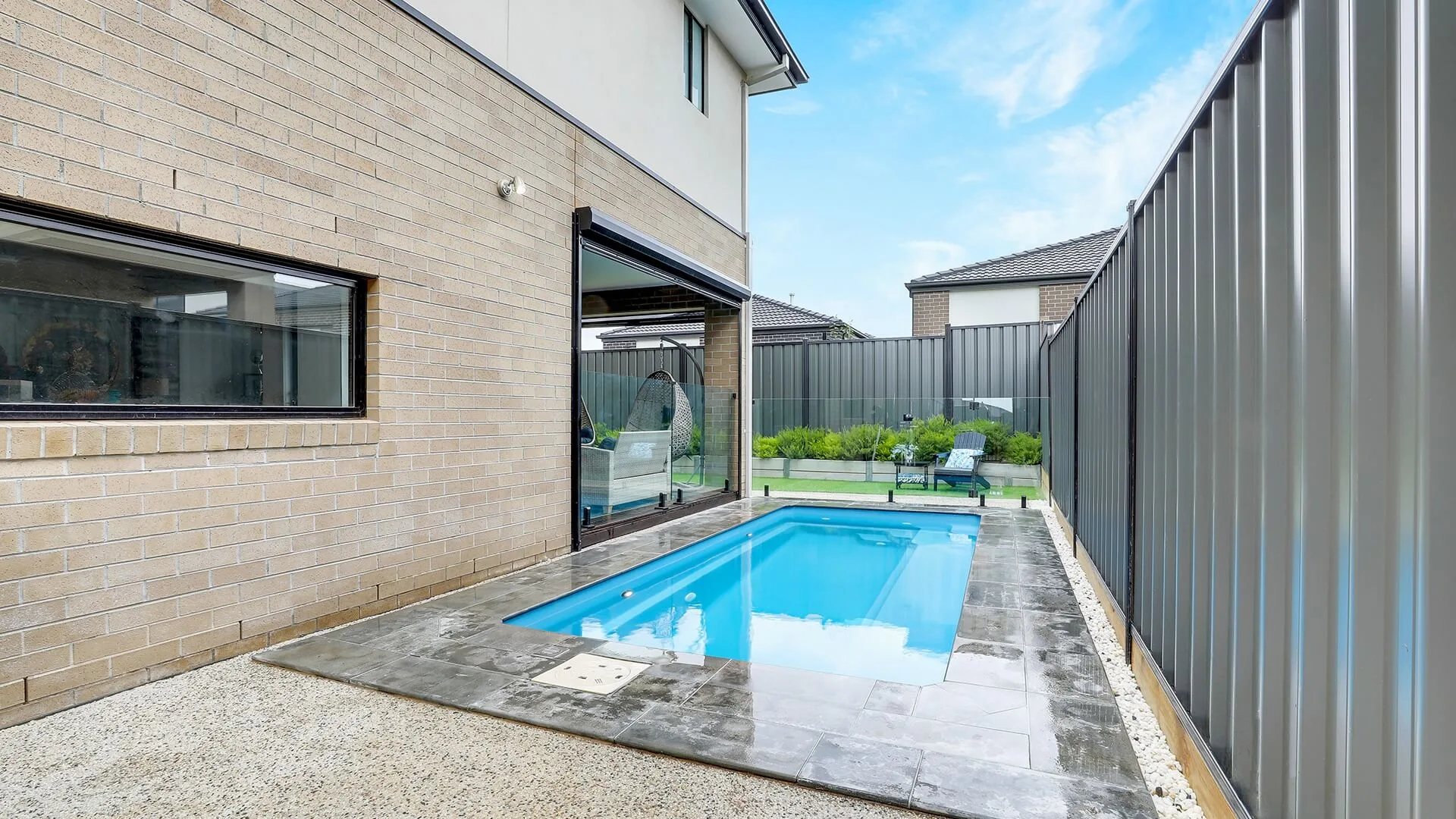
Energy Efficiency of Fibreglass Pools in Hot Weather
One of the biggest advantages of fibreglass pools is their energy efficiency. Their insulating properties help maintain a steady water temperature, reducing the need for cooling systems. In areas where temperatures stay high for weeks, this means lower energy costs. Fibreglass pools also keep heat in during the cooler months, making them perfect for year-round use.
Comparing Fibreglass Pools to Other Pool Materials in Hot Climates
Concrete Pools: Concrete pools are durable, but they absorb and retain heat, making the water feel too warm during summer. They are also more prone to cracking in extreme temperatures.
Vinyl Pools: Vinyl pools are less expensive but tend to stretch, fade, and absorb heat, leading to higher maintenance and warmer water.
Fibreglass pools, however, remain cooler, are more durable, and need less maintenance, making them a better choice for hot climates like Australia.

The Durability of Fibreglass Pools in Hot and Humid Environments
Fibreglass pools are built to withstand high heat and humidity. The material is resistant to cracking, fading, and warping, which means your pool will last longer even in extreme summer temperatures. Unlike concrete, which can expand and contract, fibreglass maintains its shape and structure.
The UV-resistant gel coat on fibreglass pools also prevents the color from fading, ensuring your pool stays vibrant for years.
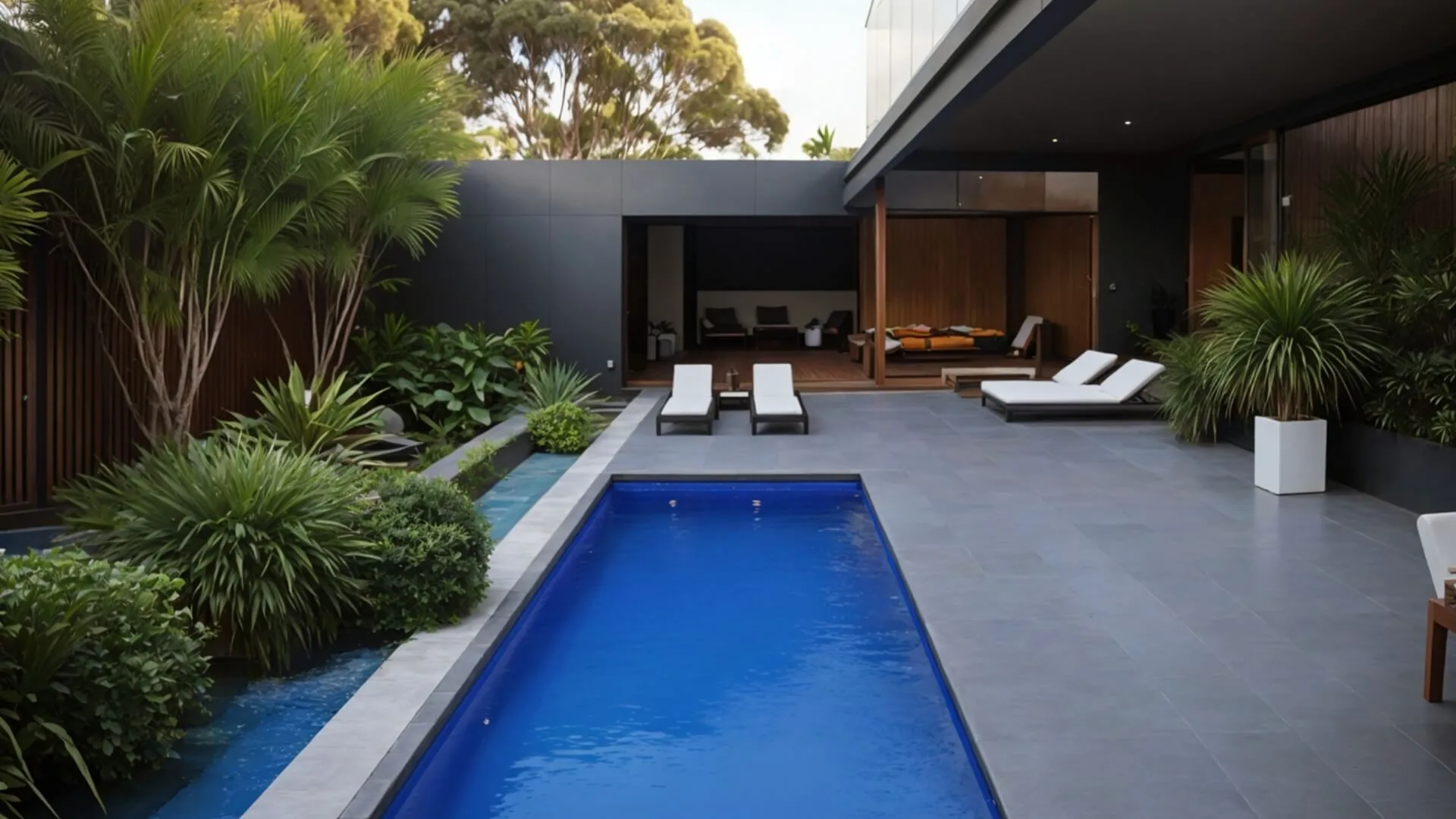
How Fibreglass Pools Contribute to a Low-Maintenance Summer
Fibreglass pools are easy to maintain, especially during hot weather. The smooth surface of fibreglass makes it harder for algae and debris to stick, so there’s less cleaning to do. This is a huge advantage during summer when pool maintenance can be time-consuming.
Fibreglass pools also need fewer chemicals to stay balanced, saving you money and reducing your environmental impact. The low-maintenance nature of fibreglass pools means more time enjoying the pool and less time on upkeep.

Cooling Benefits: How to Make the Most of Your Fibreglass Pool in Hot Weather
Even though fibreglass pools naturally stay cooler, there are a few extra steps you can take to keep the pool even more comfortable:
- Use Pool Covers: A cover can help trap cool air inside and prevent the water from warming up overnight.
- Add Shade: Install shaded areas around the pool to reduce direct sunlight exposure, which will help keep the water cooler.
- Consider Pool Chillers: If you want to keep the water extra cool, installing a pool chiller can help maintain the perfect temperature on the hottest days.
Sustainable Pool Ownership in Hot Climates
Fibreglass pools are an eco-friendly choice for pool owners. They are energy-efficient and require fewer chemicals, helping to reduce both water and energy consumption. The durability of fibreglass also means fewer repairs, making it a more sustainable option in the long run.
Installing a Fibreglass Pool: What to Consider for Extreme Heat
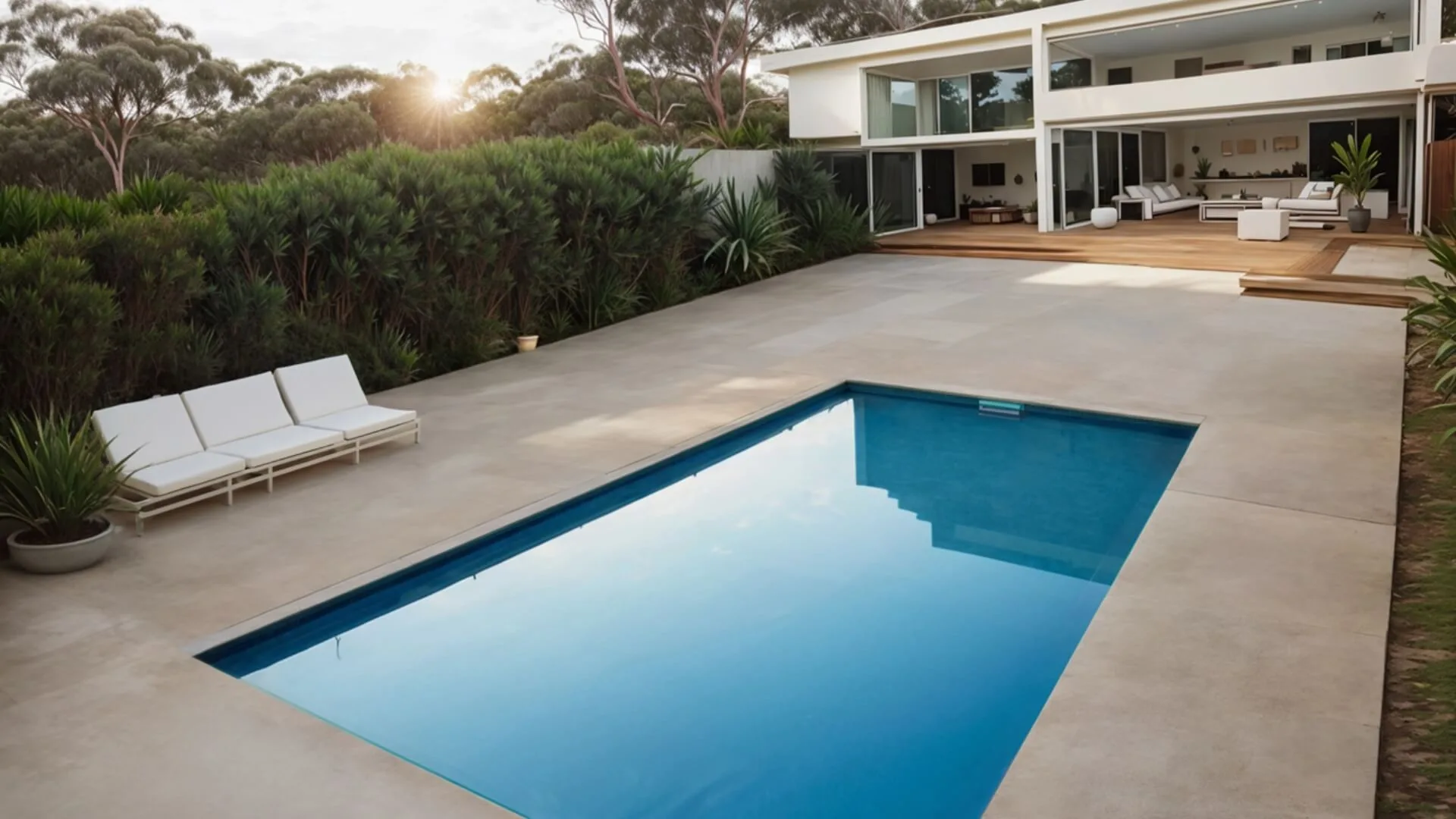
When installing a fibreglass pool, it’s important to think about location. Try to place your pool in a spot that gets some shade during the hottest part of the day while still allowing sunlight exposure to keep the water warm in cooler months.
Choosing experienced pool installers who understand the local climate will help ensure that your fibreglass pool performs well in the heat.
Real-Life Testimonials: Aussie Families Enjoying Their Fibreglass Pools
Many Aussies who have fibreglass pools love how well they handle the heat. One family in Queensland found that their fibreglass pool stayed refreshingly cool even during a record-breaking heatwave. Another family in Sydney appreciated how low-maintenance their fibreglass pool was, saving them time and money on upkeep. Plus, they noticed lower energy bills because the pool stayed cooler without the need for expensive cooling systems.
Conclusion
Fibreglass pools are the perfect solution for surviving the Aussie summer. Their natural ability to stay cooler, impressive durability in extreme heat, and minimal maintenance requirements make them ideal for hot climates. Offering a combination of comfort, energy efficiency, and sustainability, fibreglass pools are an investment in year-round enjoyment and long-term value. Whether you’re envisioning a peaceful retreat for relaxation or a lively hub for entertaining family and friends, a fibreglass pool delivers the perfect balance of style and functionality.
Don’t let the heat hold you back—take the first step towards your dream pool today. Contact Complete Creative Constructions for expert advice, premium designs, and exceptional service to turn your backyard into the ultimate summer sanctuary.