







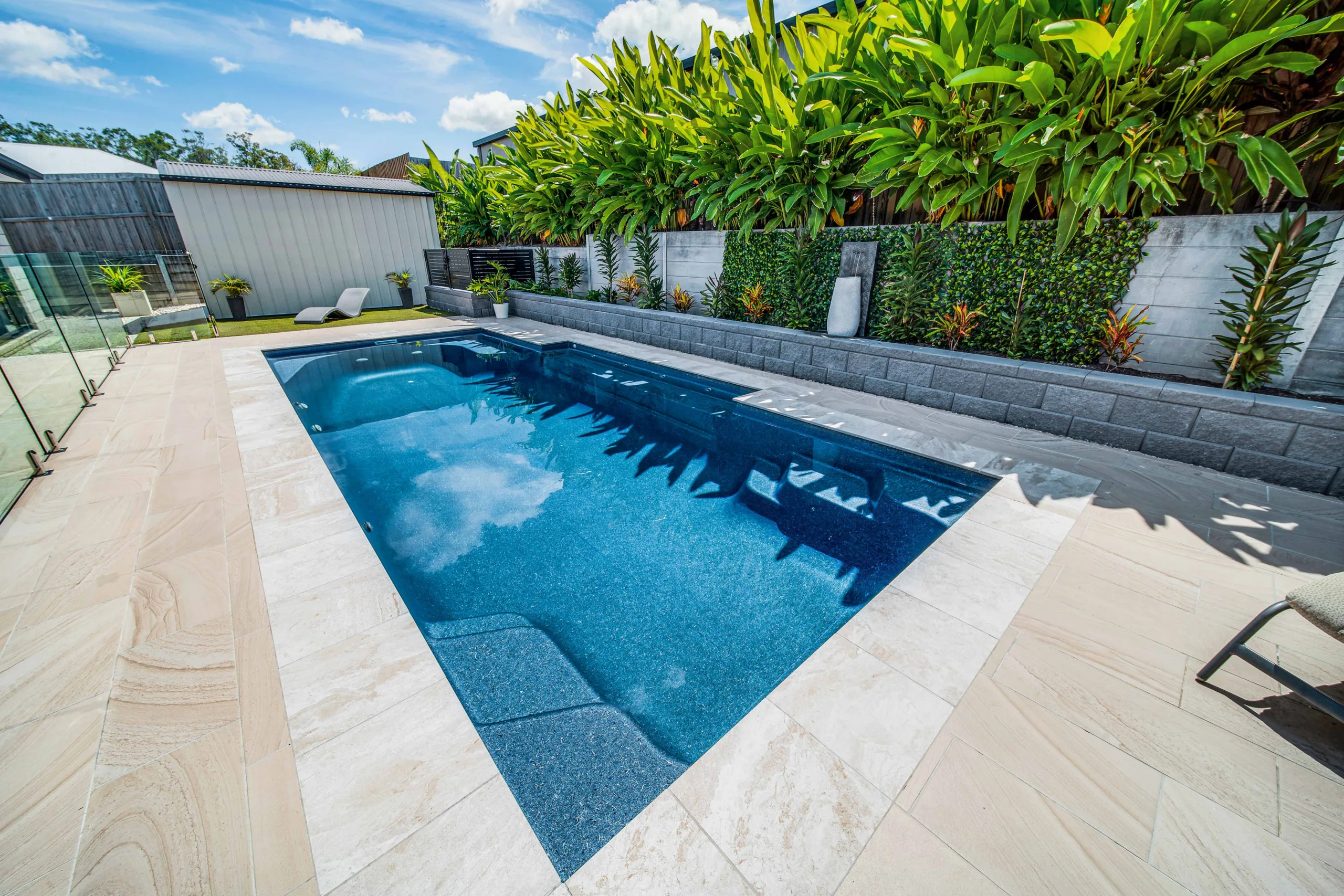
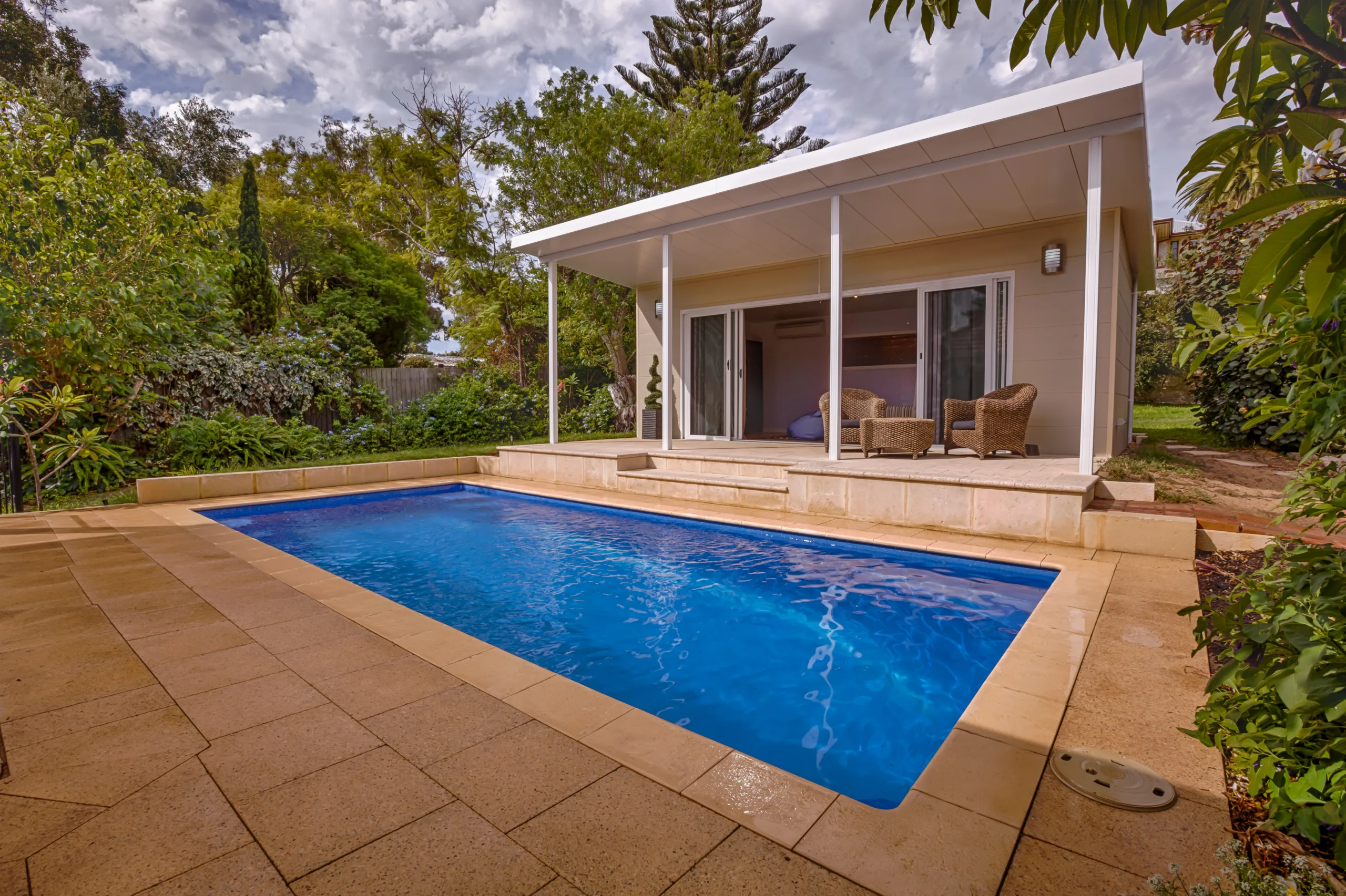
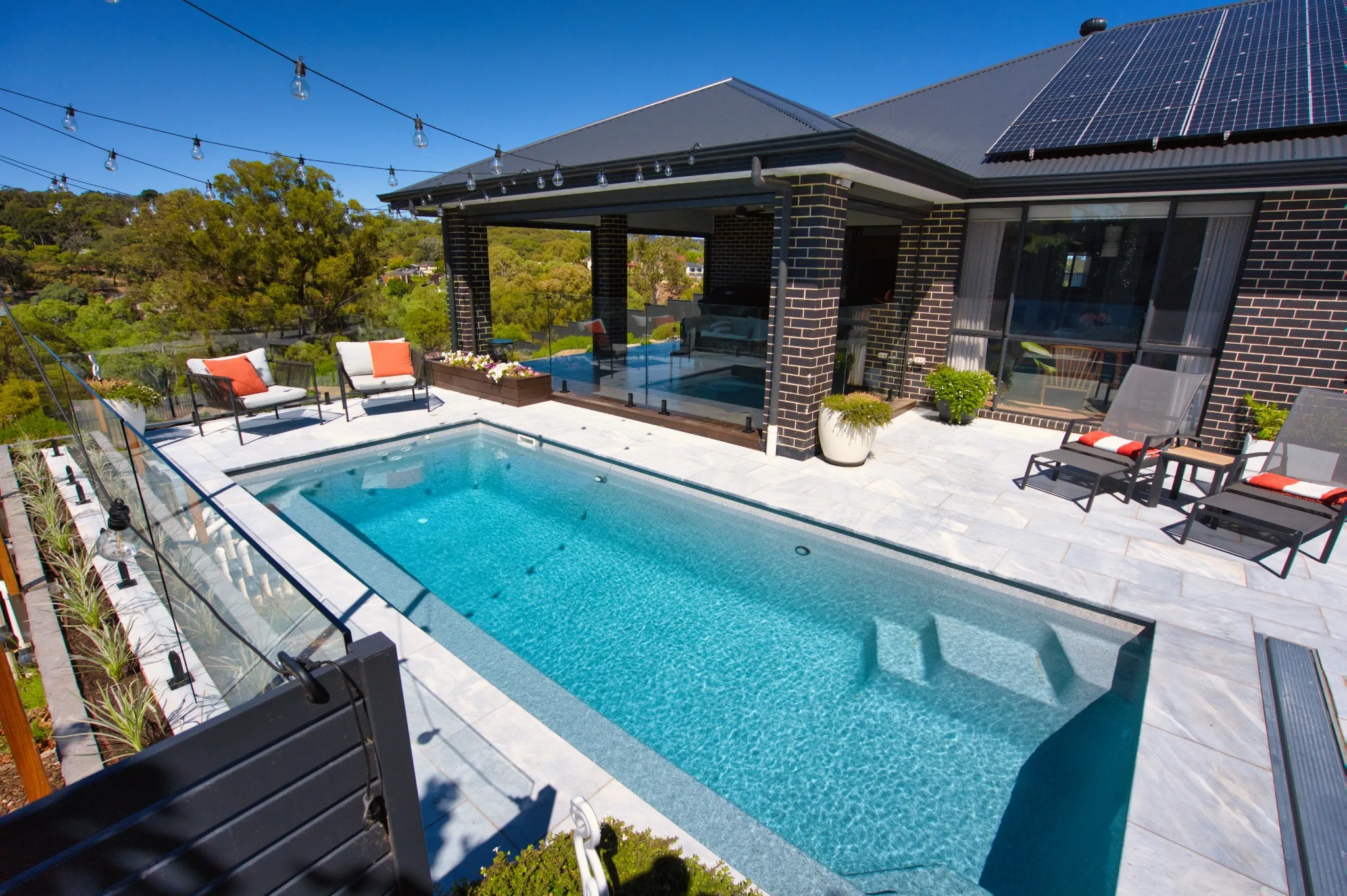
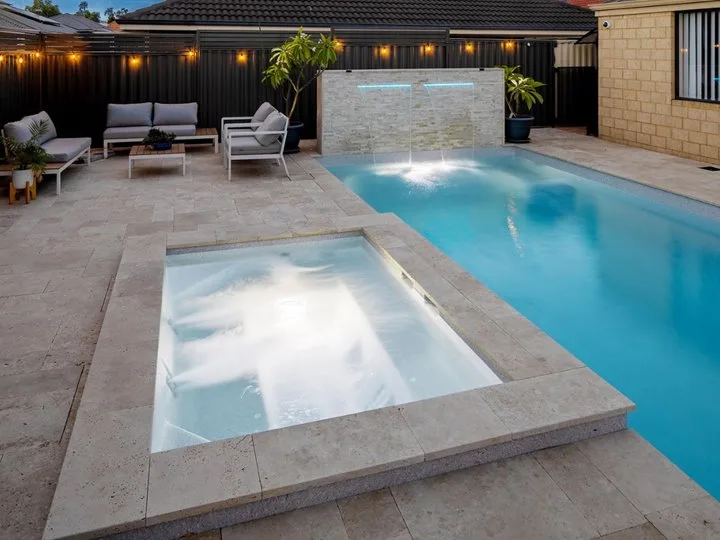
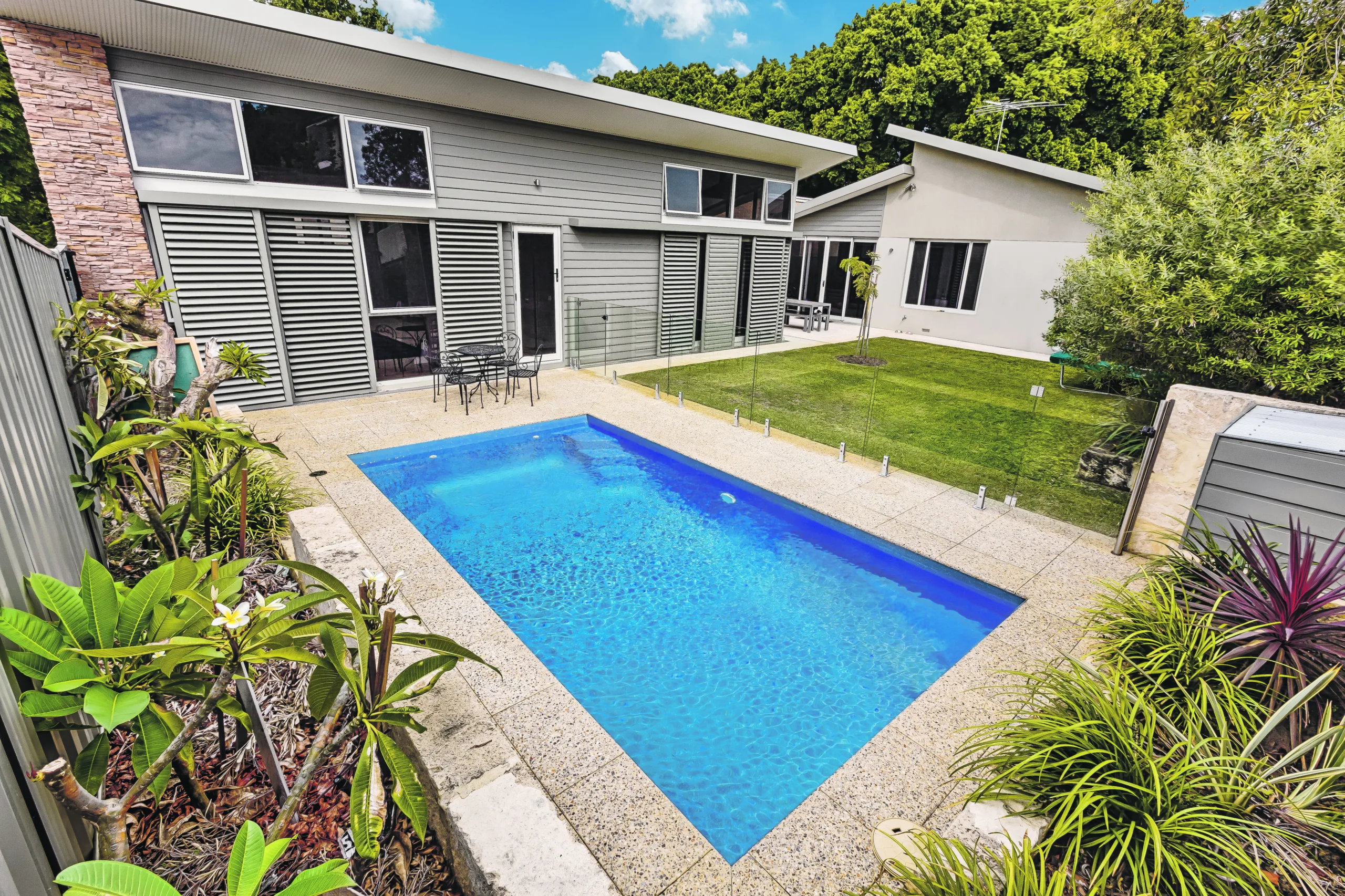
Owning a swimming pool is a luxury that offers endless enjoyment, from family gatherings to serene moments of relaxation. However, pools can also be a source of significant water waste if not managed properly. With environmental concerns growing and water bills rising, saving water in your swimming pool has never been more important. Fortunately, with the right pool maintenance tips and a focus on professional pool maintenance, you can keep your pool in pristine condition while reducing water waste.
In this guide, we’ll explore practical steps to minimise water wastage, maintain the health of your pool, and contribute to a sustainable lifestyle.
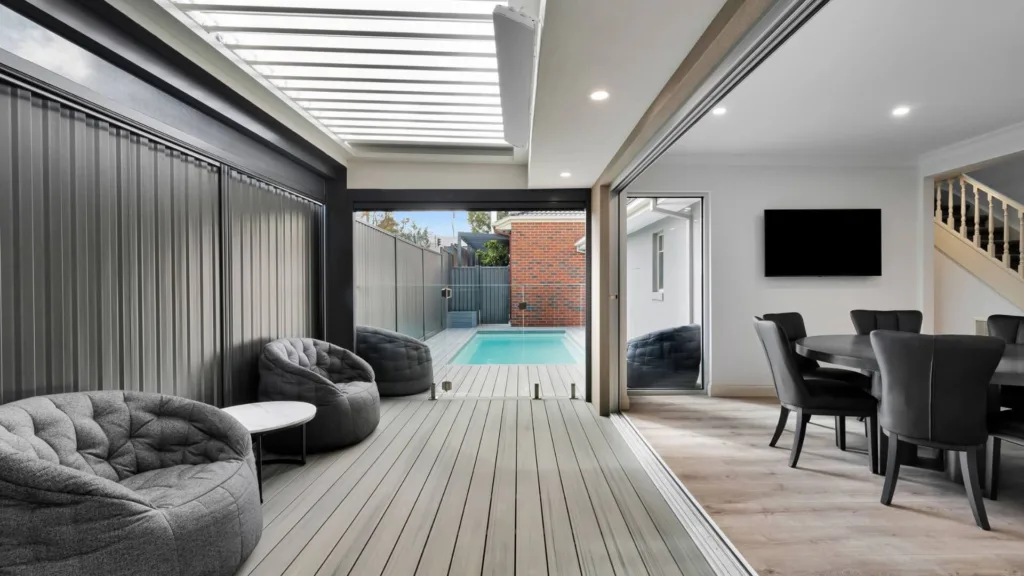
The Importance of Water Conservation in Pool Maintenance
Water is a precious resource, and excessive wastage can have environmental and financial repercussions. A well-maintained swimming pool not only ensures cleanliness and safety but also helps in conserving water. Addressing water waste is not just about environmental responsibility; it’s about preserving your investment and ensuring your pool’s longevity.
Let’s dive into some actionable ways to save water in your swimming pool without compromising its enjoyment.
1. Address Pool Leaks Promptly
One of the leading causes of water waste in pools is leaks. Even a small leak can lead to hundreds of litres of water being wasted daily. Regularly inspect your pool for signs of leaks, such as:
- A drop in water level beyond what’s expected from normal evaporation.
- Wet spots around the pool area.
- Cracks or gaps in the pool structure.
If you suspect a leak, it’s best to consult a professional pool maintenance service. They can perform a thorough inspection and repair any damage efficiently, preventing further water loss.
2. Use a Pool Cover
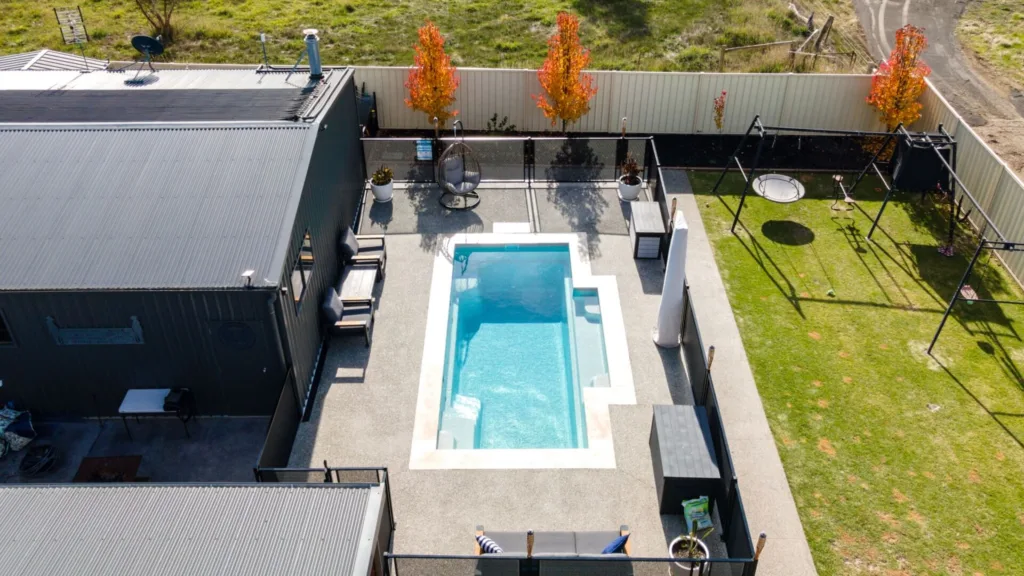
A simple yet effective tool for reducing water waste is a pool cover. Pool covers help minimise evaporation, which can account for significant water loss, especially during hot summer months. By covering your pool when not in use, you can save thousands of litres of water annually.
Additional benefits of using a pool cover include:
- Reduced chemical consumption, as fewer chemicals evaporate.
- Lower energy costs if your pool is heated, as the cover retains warmth.
- Prevention of debris entering the pool, reducing cleaning efforts.
Invest in a high-quality cover that fits your pool securely for the best results.
3. Optimise Water Levels
Maintaining the correct water level in your pool is essential for efficient operation. Overfilling your pool not only wastes water but can also strain your pool’s filtration system. Check your pool’s water level regularly and ensure it’s within the recommended range.
If you’re unsure about the ideal water level for your pool, consult your pool’s manufacturer guidelines or seek advice from a professional pool maintenance expert.
4. Implement Smart Backwashing Practices
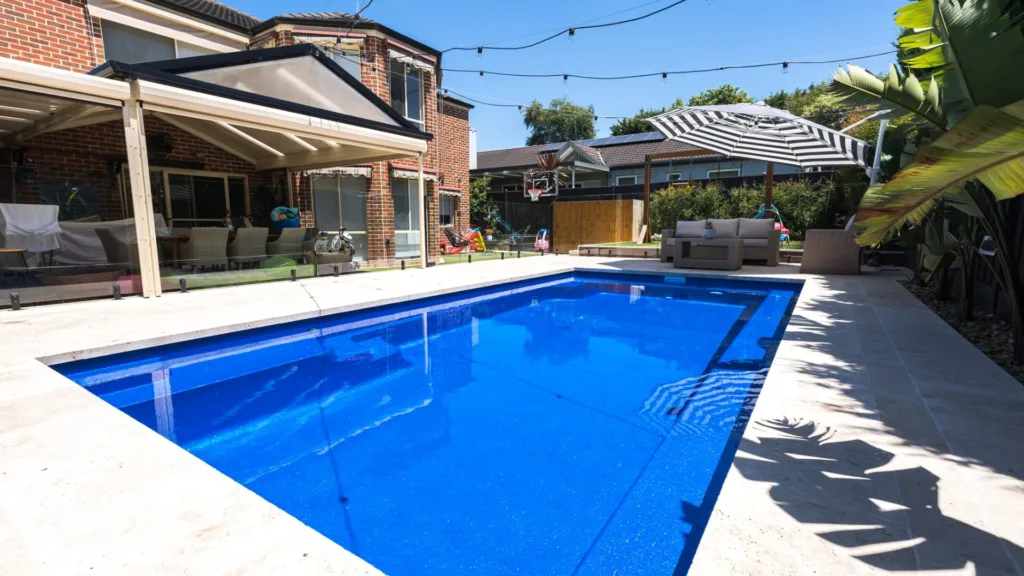
Backwashing is a necessary part of pool maintenance to clean the filter. However, it’s a process that can waste a significant amount of water if done excessively. To minimise water waste:
- Backwash your filter only when the pressure gauge indicates it’s necessary.
- Consider upgrading to a more efficient filtration system, such as a cartridge filter, which requires less frequent backwashing.
- Reuse backwash water where possible, such as for irrigating plants or lawns, provided it’s safe to do so.
5. Reduce Splash-Out
Splash-out occurs when water is displaced from the pool during use. While some splash-out is inevitable, excessive splashing can lead to unnecessary water loss. To minimise splash-out:
- Encourage gentle play in the pool, especially among children.
- Designate areas for more vigorous activities, such as diving, to limit water displacement.
- Ensure your pool’s water level isn’t too high, as this increases the likelihood of splash-out.
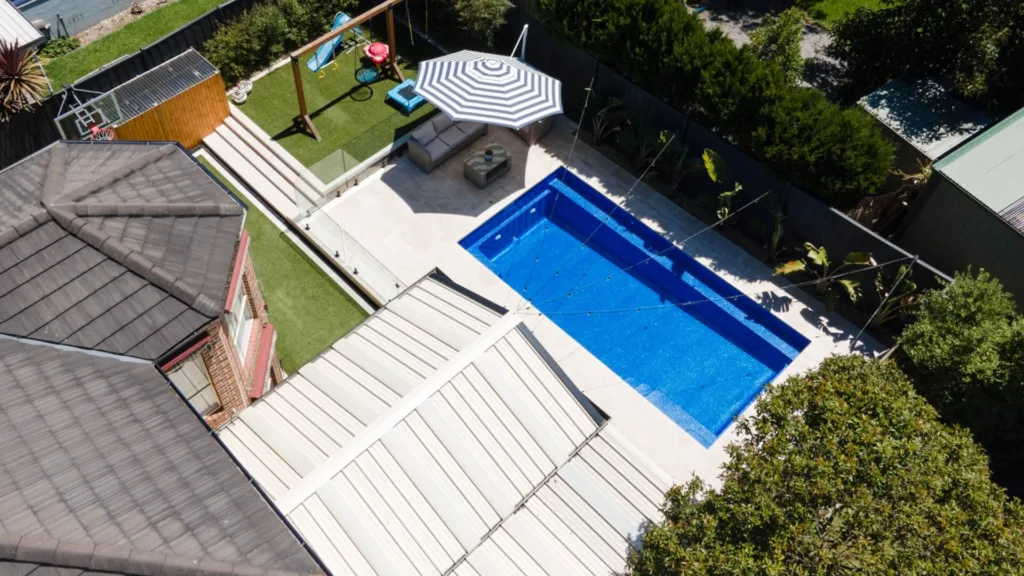
6. Upgrade to Water-Efficient Equipment
Modern pool equipment is designed with water efficiency in mind. Consider upgrading your pool’s features to reduce water waste:
- Variable-speed pumps: These pumps are more efficient than single-speed models and help maintain optimal water circulation without overusing water.
- Automatic water levellers: These devices help maintain the correct water level, preventing overfilling and unnecessary water loss.
- Efficient pool cleaners: Robotic pool cleaners use less water compared to traditional pressure-side cleaners.
By investing in advanced equipment, you can achieve long-term savings and reduce your environmental footprint.
7. Regular Maintenance and Cleaning
Proper pool maintenance is critical for water conservation. A dirty pool requires more frequent backwashing, chemical adjustments, and water replacement. Follow these maintenance tips to keep your pool in top condition:
- Skim the surface regularly to remove debris.
- Vacuum the pool floor weekly to prevent dirt build-up.
- Test and balance the water chemistry to maintain optimal pH, chlorine, and alkalinity levels.
Professional pool maintenance services can be invaluable in ensuring your pool is clean and efficient. These experts can perform routine inspections, cleanings, and repairs, saving you time and effort while reducing water waste.
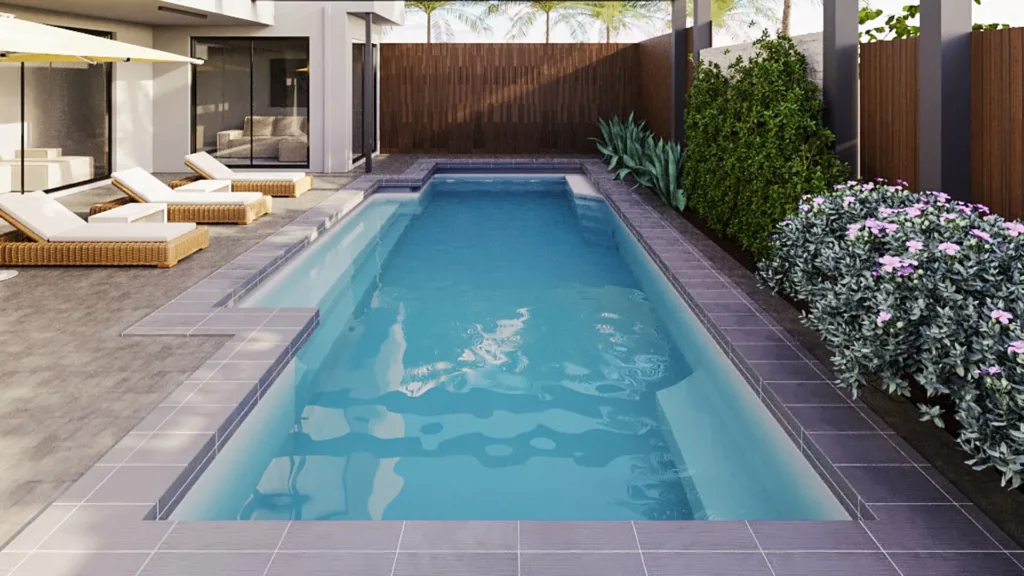
8. Be Mindful of Landscaping
The area around your pool plays a significant role in water conservation. Consider landscaping strategies that minimise water waste, such as:
- Planting drought-resistant vegetation: These plants require less watering and create a beautiful, low-maintenance poolside environment.
- Installing hardscaping features: Materials like stone, gravel, and pavers reduce soil erosion and prevent water run-off.
- Creating windbreaks: Strategically placed hedges or fences can reduce evaporation by shielding your pool from wind.
9. Educate Pool Users
Promoting water-saving habits among family members and guests can make a significant difference. Encourage everyone to:
- Avoid unnecessary splashing and rough play.
- Keep pool covers on when the pool isn’t in use.
- Report any signs of leaks or unusual water levels promptly.
Conclusion
Reducing water waste in your swimming pool doesn’t have to be complicated. By incorporating simple pool maintenance tips, investing in water-efficient equipment, and leveraging professional pool maintenance services, you can enjoy your pool while minimising its environmental impact.
Taking proactive steps to save water in your swimming pool not only benefits the planet but also enhances your pool’s efficiency and lifespan. With these strategies in place, you can achieve effortless pool care and take pride in contributing to a more sustainable future.