


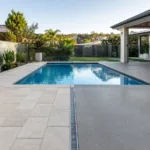
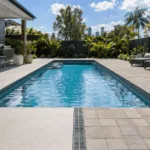

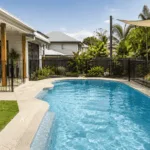

A home swimming pool is a wonderful feature, offering fun, relaxation, and a way to keep cool during hot summer days. However, alongside the joys of pool ownership comes a significant responsibility: ensuring the safety of everyone who uses it, especially children. Pool safety is not just about compliance with regulations; it is about creating an environment where families can enjoy the water with peace of mind. In this blog, we’ll explore essential swimming pool safety tips, focusing on how families can make their pools safe for everyone.

1. Install a Secure Pool Fence
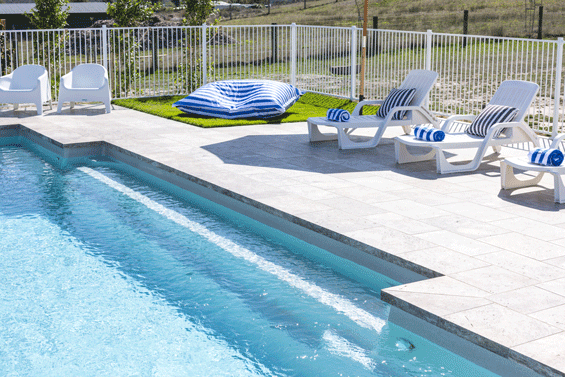
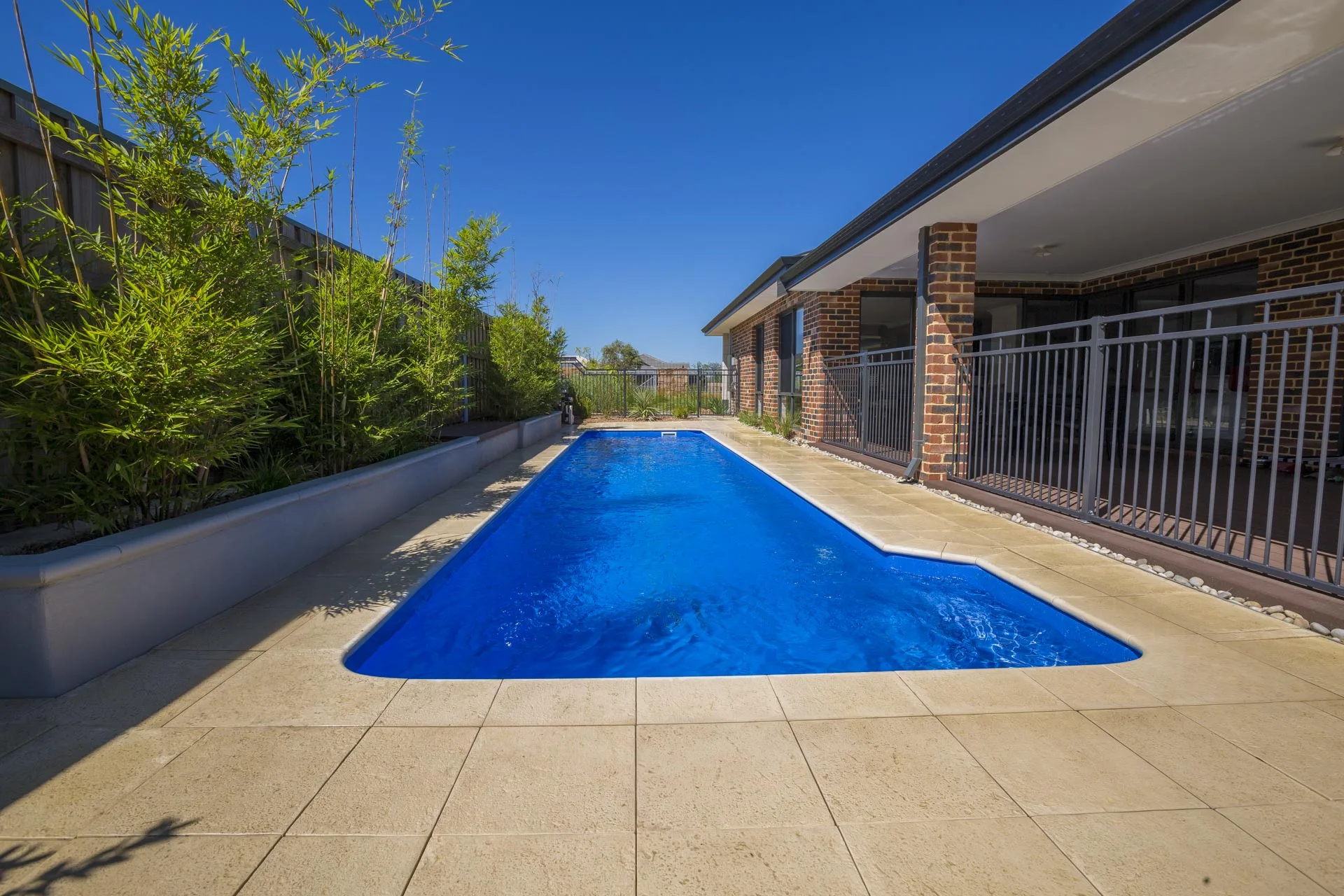
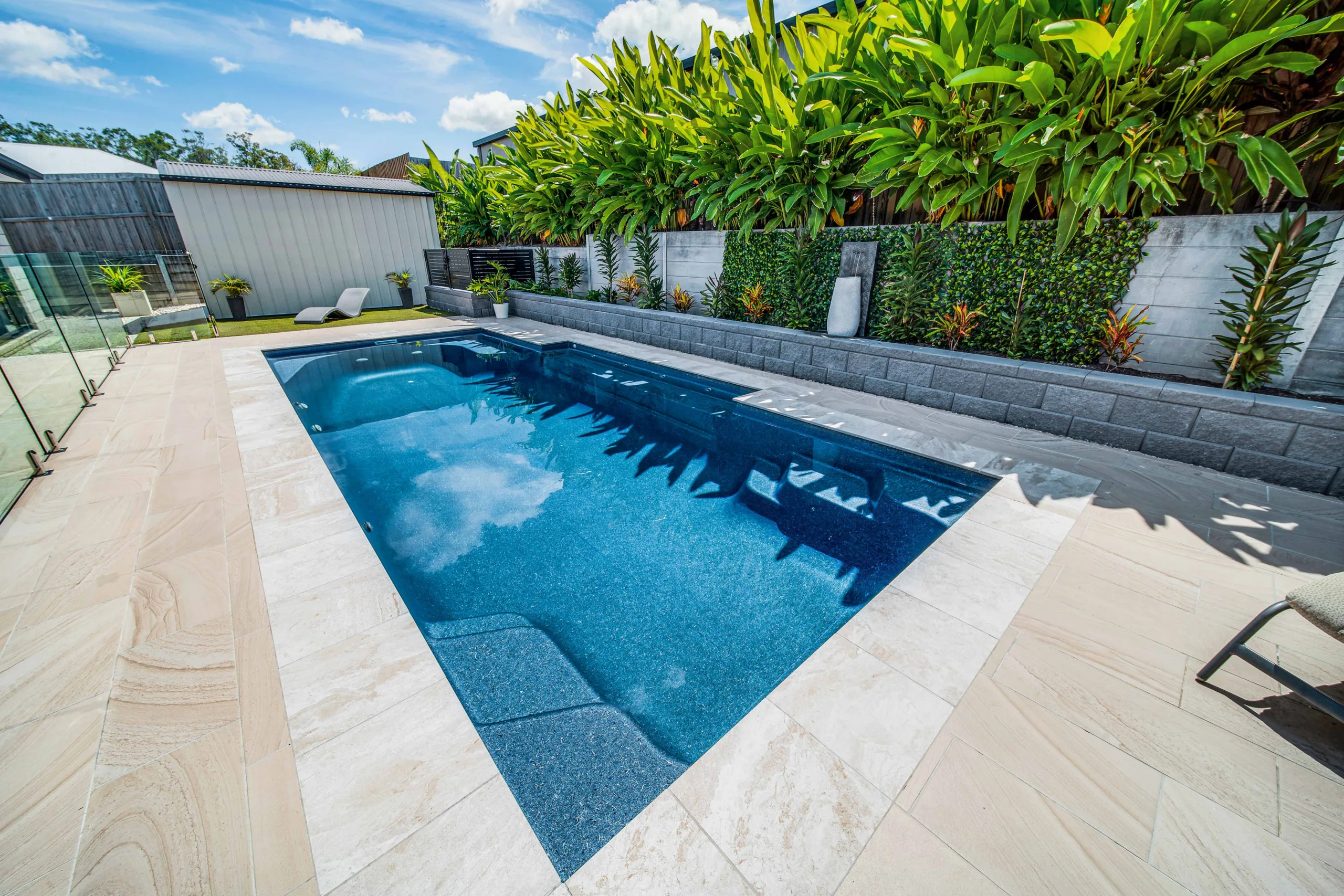
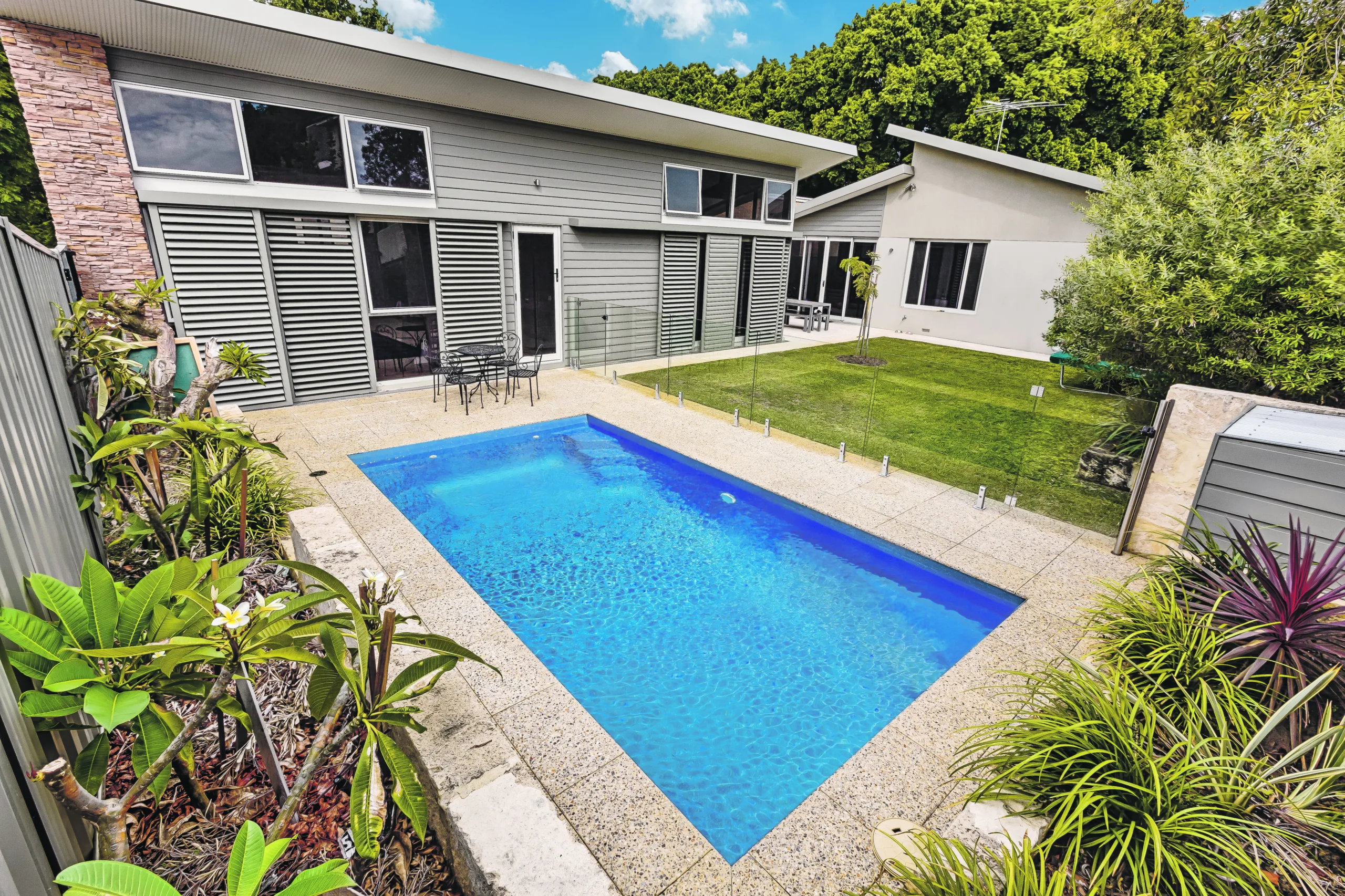
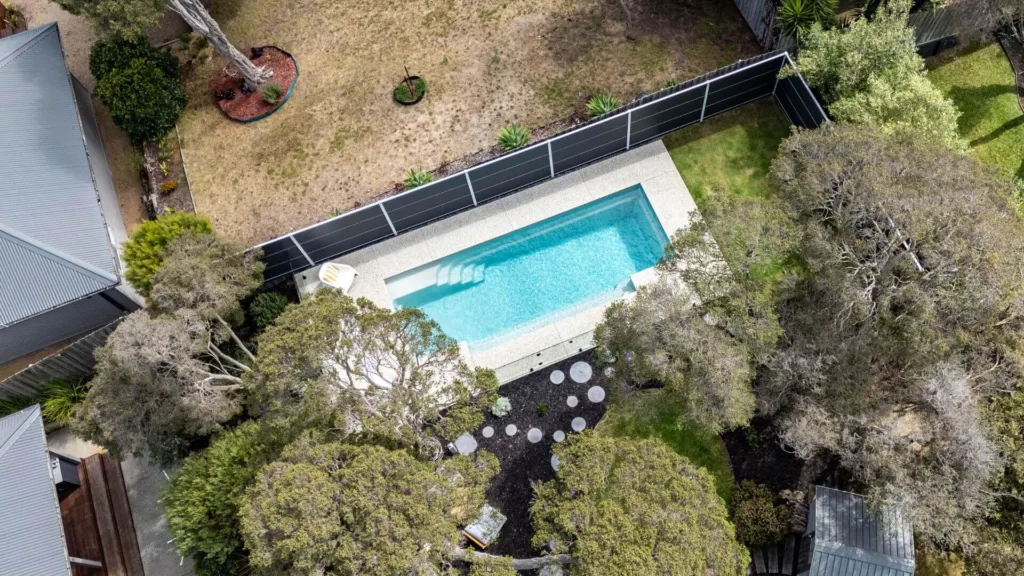
One of the most effective measures for home pool safety is installing a secure fence around your pool. The fence should be at least 1.2 metres high, with a self-closing and self-latching gate. This barrier helps prevent unsupervised access to the pool, particularly by young children. Make sure the fence is compliant with local regulations and inspect it regularly for wear or damage.
2. Use a Pool Cover When Not in Use
Invest in a high-quality pool cover that completely encloses the pool when it’s not in use. Pool covers not only keep debris out but also act as a barrier, reducing the risk of accidental falls. Ensure that the cover is securely fastened and meets safety standards. Never rely solely on the cover, though, as children or pets may still find ways to access the pool area.
3. Supervise Children at All Times
There is no substitute for active supervision. Adults should always keep a close eye on children while they are in or around the pool. Ideally, one adult should act as the designated ‘pool watcher’ to ensure constant supervision. Avoid distractions such as phones or books, as accidents can happen in seconds.
4. Teach Swimming and Water Safety Skills
Enrolling children in swimming lessons can significantly improve their confidence and safety in the water. These lessons should also include basic water safety skills, such as floating, treading water, and recognising dangers. However, even proficient swimmers require supervision, as accidents can occur in unexpected circumstances.
5. Learn CPR and First Aid
Being prepared for emergencies is a crucial aspect of home pool safety. All adults in the household should consider taking CPR and first aid courses. Knowing how to respond quickly in an emergency could save a life. Keep a first aid kit near the pool area and ensure it is fully stocked at all times.

6. Establish Pool Rules
Setting clear rules for pool use is an important step in maintaining safety. Some basic rules might include:
- No running around the pool area.
- No diving in shallow areas.
- Always enter the water feet first.
- Avoid rough play in or near the pool.
Post these rules in a visible spot near the pool and make sure everyone understands and follows them.
7. Install Alarms and Safety Devices
Pool alarms are an additional layer of protection for home pools. These devices can alert you if someone enters the pool area unexpectedly. Options include door alarms, gate alarms, and water immersion alarms. Additionally, keep safety equipment like life rings, floatation devices, and a reaching pole within easy reach of the pool.
8. Regular Pool Maintenance
Maintaining your pool is essential not just for cleanliness but also for safety. Ensure the water is properly treated to prevent harmful bacteria or algae growth. Regularly inspect pool drains, pumps, and filters to ensure they are functioning correctly and do not pose a hazard. Broken or missing drain covers should be replaced immediately to prevent entrapment.

9. Educate Guests About Pool Safety
When hosting guests, particularly those with children, make sure they are aware of your pool safety rules. Provide a quick briefing on the rules and highlight the importance of supervision. If possible, designate a responsible adult to monitor the pool during gatherings to ensure everyone’s safety.
10. Be Mindful of Weather Conditions
Weather can greatly impact pool safety. Avoid using the pool during storms, as lightning poses a serious risk. Strong winds can also create hazardous conditions, particularly for inflatables or pool toys. Always check the weather forecast and take appropriate precautions to ensure a safe swimming environment.
11. Store Pool Chemicals Safely
Pool chemicals are necessary for maintaining water quality but can be dangerous if mishandled. Store chemicals in a secure, dry location out of reach of children. Follow manufacturer instructions carefully and never mix chemicals, as this can create toxic fumes or cause explosions. Ensure proper ventilation when handling pool chemicals.

12. Encourage Responsible Behaviour
Teaching children to respect the water and follow safety guidelines is vital. Reinforce the importance of safe behaviours, such as entering the water calmly and avoiding pushing or pulling others. Lead by example to encourage responsible behaviour and a culture of safety.
13. Plan for Emergencies
Despite taking every precaution, accidents can still happen. Have an emergency plan in place and ensure everyone in the household is familiar with it. This plan should include:
- Emergency contact numbers.
- Steps to take in case of a drowning incident.
- The location of safety equipment and first aid supplies.
14. Consider Professional Pool Inspections
Hiring a professional to inspect your pool can help identify potential safety risks you may have overlooked. Professionals can provide recommendations for improving safety and ensuring compliance with local regulations.
Conclusion
Swimming pools bring joy and countless memories to families, but safety must always remain the top priority. By following these swimming pool safety tips, you can create a secure environment where everyone can enjoy the water without worry. From installing fences and alarms to teaching children water safety skills, every precaution contributes to a safer pool area. Remember, a proactive approach to pool safety protects not just your family but also your guests and neighbours. With these essential pool safety tips in mind, you can focus on creating fun and cherished moments by the pool, knowing that you have taken the necessary steps to safeguard those you care about most.