




When you live in South Brisbane, a pool isn’t just a nice extra—it’s a way of life. With long, hot summers and plenty of sticky, humid days, having a pool in the backyard gives your family an easy escape from the heat. But before you start picturing those lazy afternoons by the water, there’s a big decision to make: do you go for a mineral pool or stick with the more traditional chlorine system?
Both options have their pros and cons, and the right choice really depends on what matters most to you and your family. Let’s look at the differences in plain English so you can decide which one fits your lifestyle best.
The Everyday Swimming Experience
One of the first things people notice is how the water feels. A mineral pool tends to feel softer and more natural on the skin. Because minerals like magnesium and potassium are used in the system, the water has a silky quality that’s gentle, especially if you’ve got kids with sensitive skin or anyone who reacts to chemicals easily. Some families even say they get out of a mineral pool feeling refreshed rather than dry or itchy.
Chlorine pools, on the other hand, do the job of keeping the water clean, but you’ll often notice the “chlorine smell” and the stinging eyes that come with it. For most people, this isn’t a dealbreaker—it’s just part of what swimming in a backyard pool has always been like.
Health and Wellbeing

Here’s where mineral pools really stand out. The magnesium in the water isn’t just there for sanitising—it’s also linked to muscle relaxation, stress relief, and even better sleep. After a long day in the Brisbane heat, that’s a nice bonus to have.
Chlorine pools don’t offer those wellness extras. They’re reliable, they’re effective, but they don’t give you that “spa-like” experience mineral pools are known for.
Cost and Maintenance
This is usually where the decision gets serious. Mineral systems cost more to set up initially. The trade-off is that they need less chlorine and less fiddling around with chemicals over time. That can save you some effort (and even money) in the long run.
Chlorine pools are more affordable to install upfront. However, in South Brisbane’s climate, where pools get a workout almost year-round, you’ll find yourself topping up chlorine more often. The hot sun also makes chlorine break down faster, which means extra ongoing maintenance.
What About the Environment?
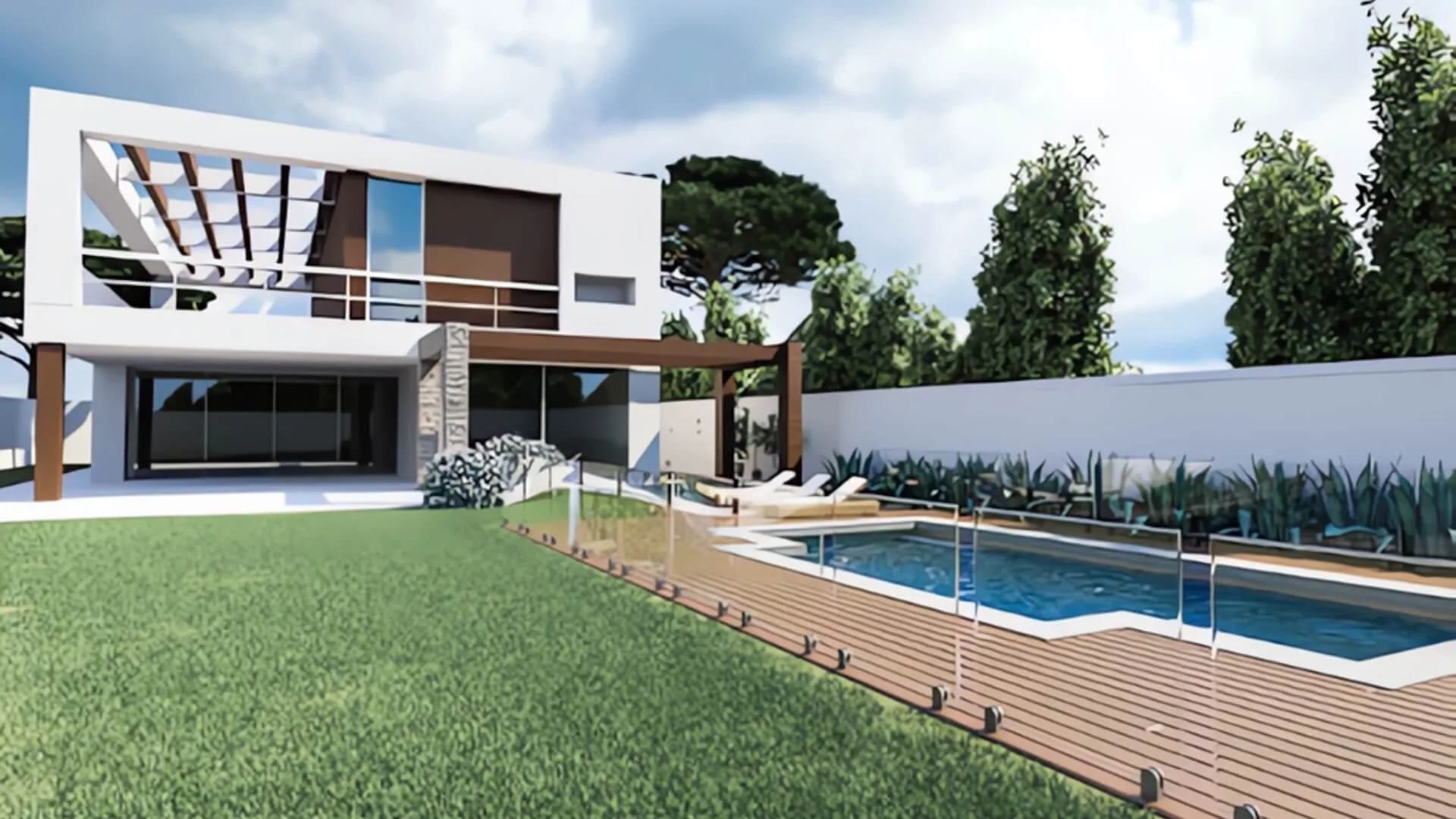
If being eco-conscious is important to you, mineral pools generally win out. Because they rely less on harsh chemicals, they’re gentler on the environment and use fewer additives overall. Chlorine pools still work fine, but their higher chemical use does mean a bigger footprint.
The Verdict
So, which way should you go?
- If you want something gentle, luxurious, and beneficial for your health, a mineral pool is worth considering—even if the upfront cost is higher.
- If you’d rather stick with a tried-and-true, budget-friendly option, a chlorine pool is still a reliable choice.
At the end of the day, both will give you the same thing South Brisbane families love most: a cool, inviting pool to dive into when the weather turns sticky.
Thinking about making the leap?
At Complete Creative Constructions, we specialise in building pools designed for Brisbane homes and lifestyles. Whether you’re leaning towards mineral or chlorine, we’ll help you create a pool that suits your budget, your family, and the South Brisbane climate.