


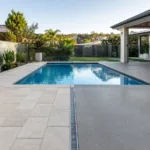
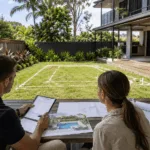
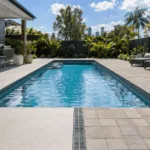

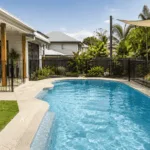
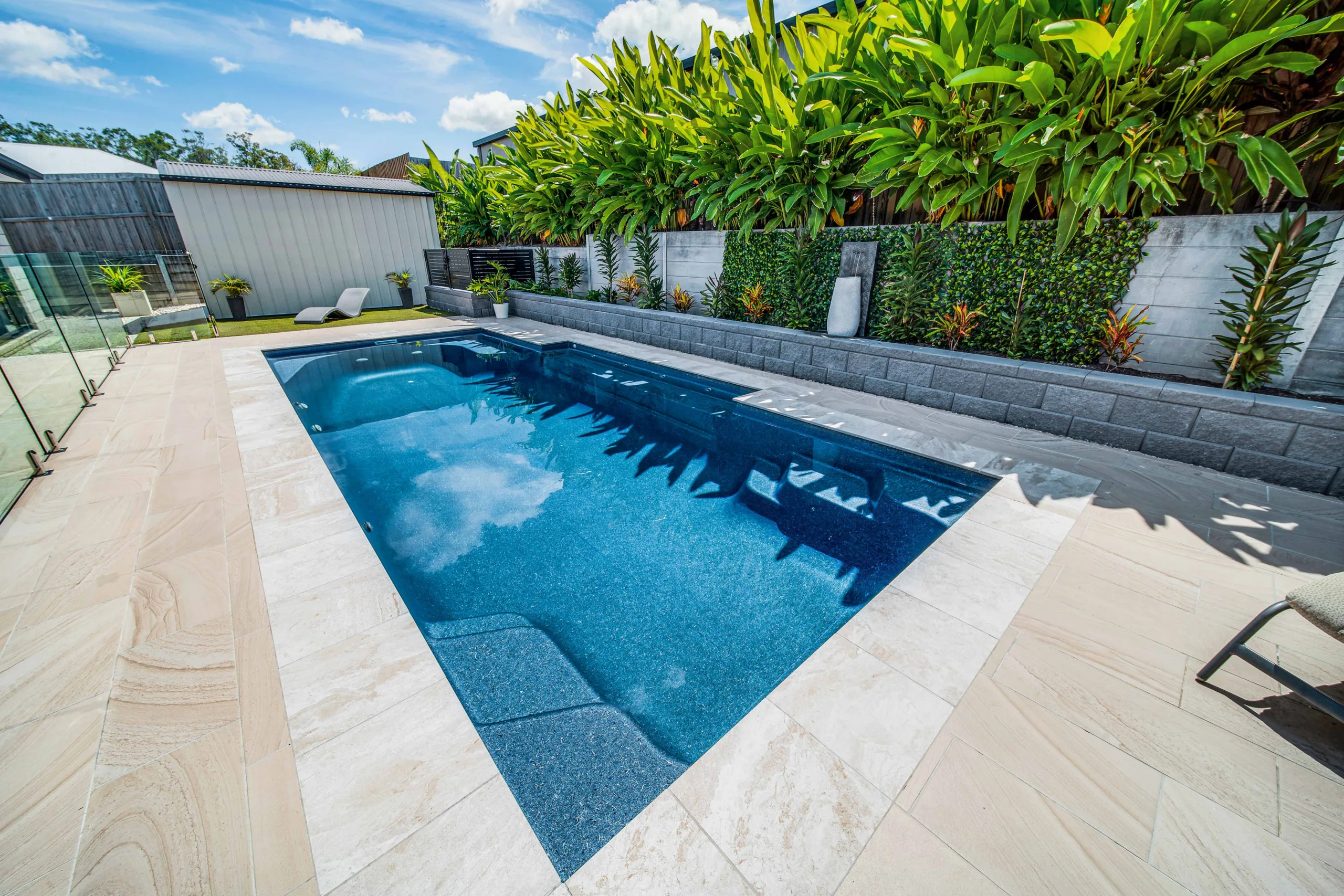
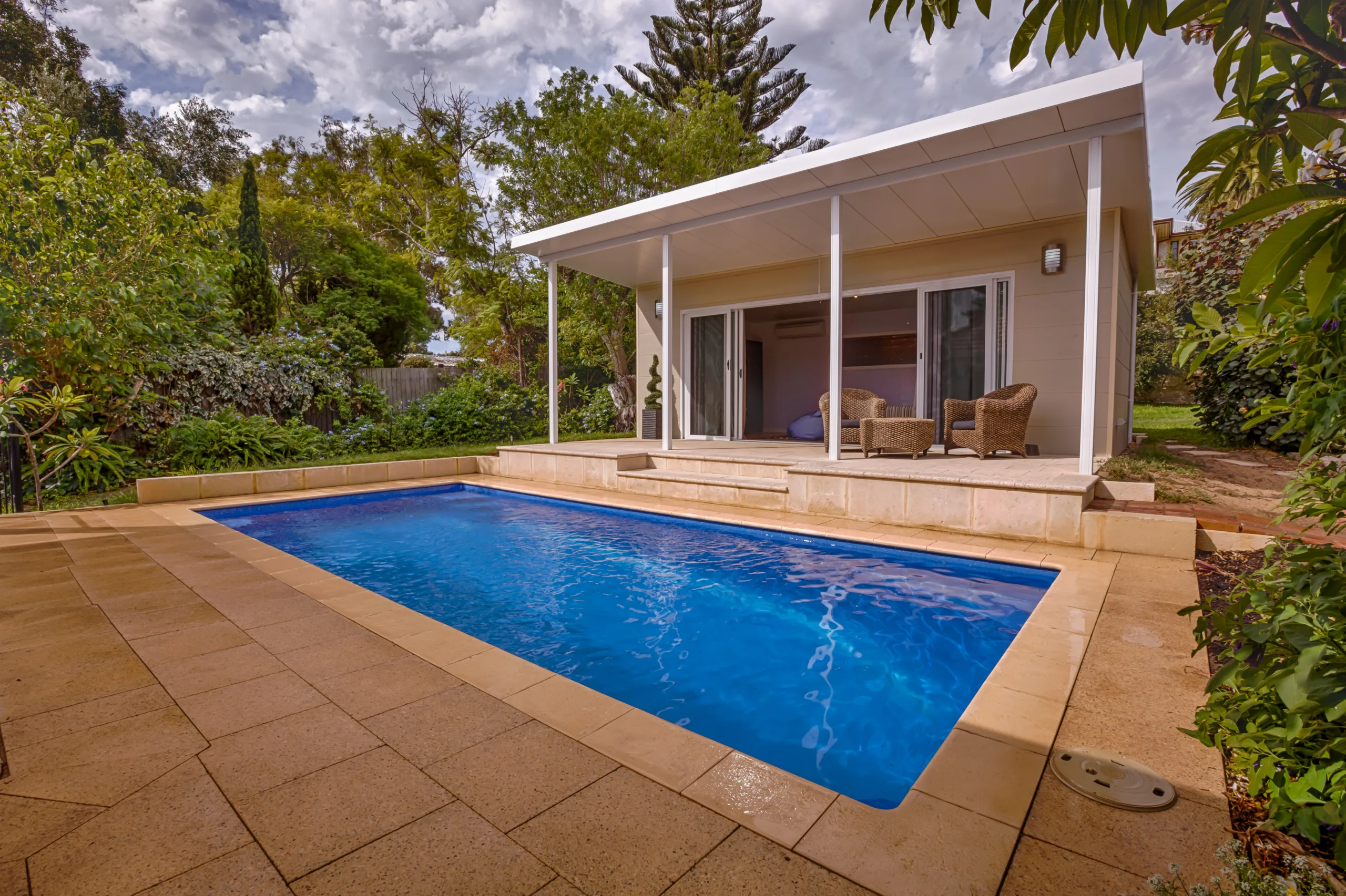
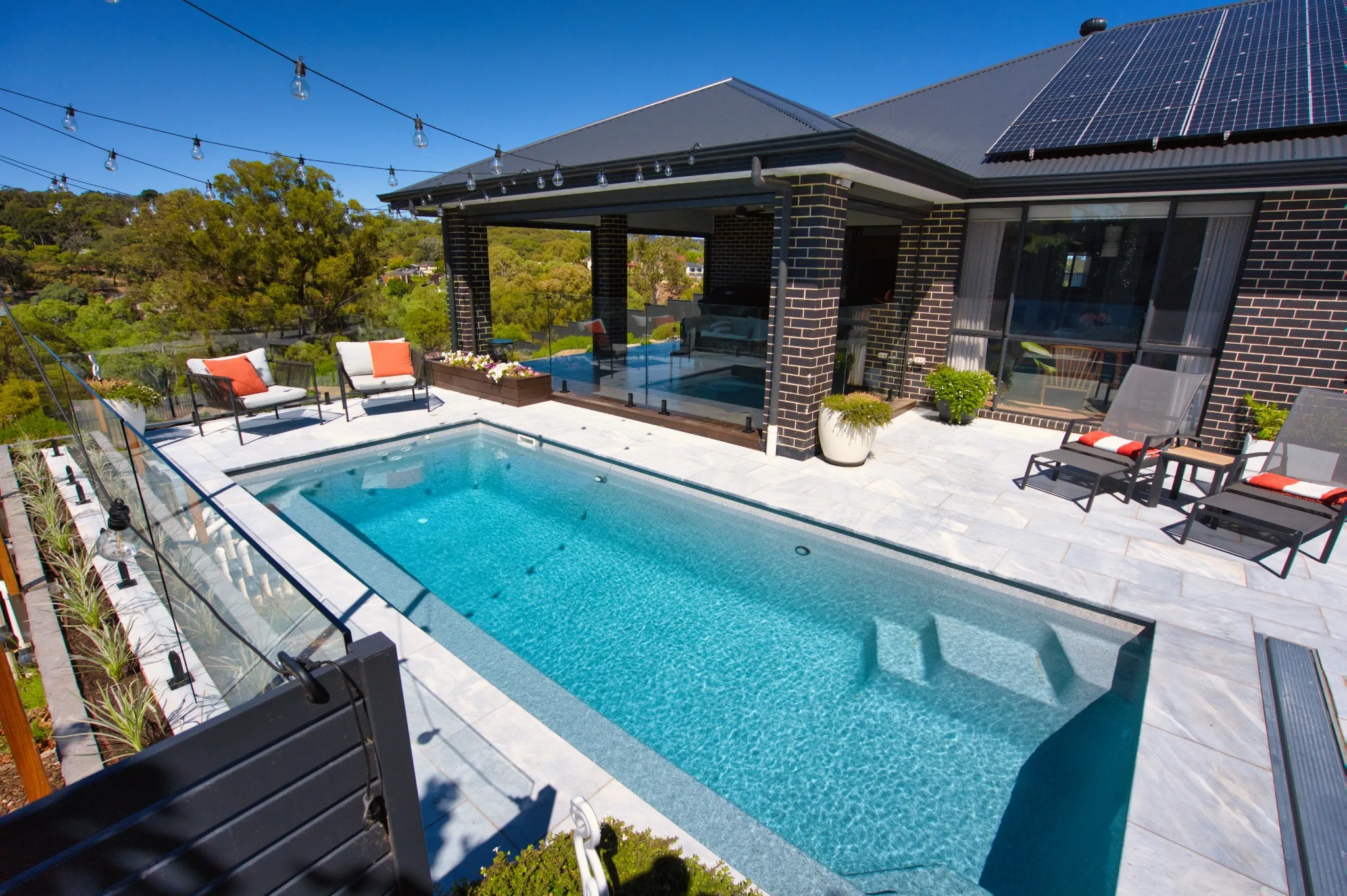
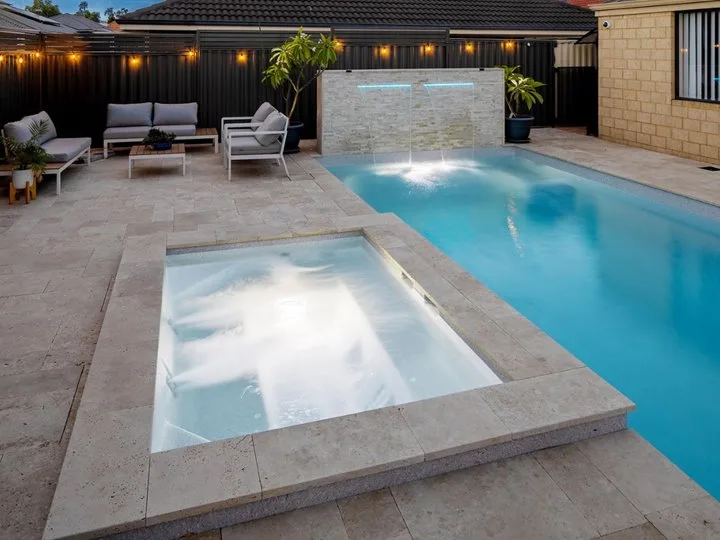
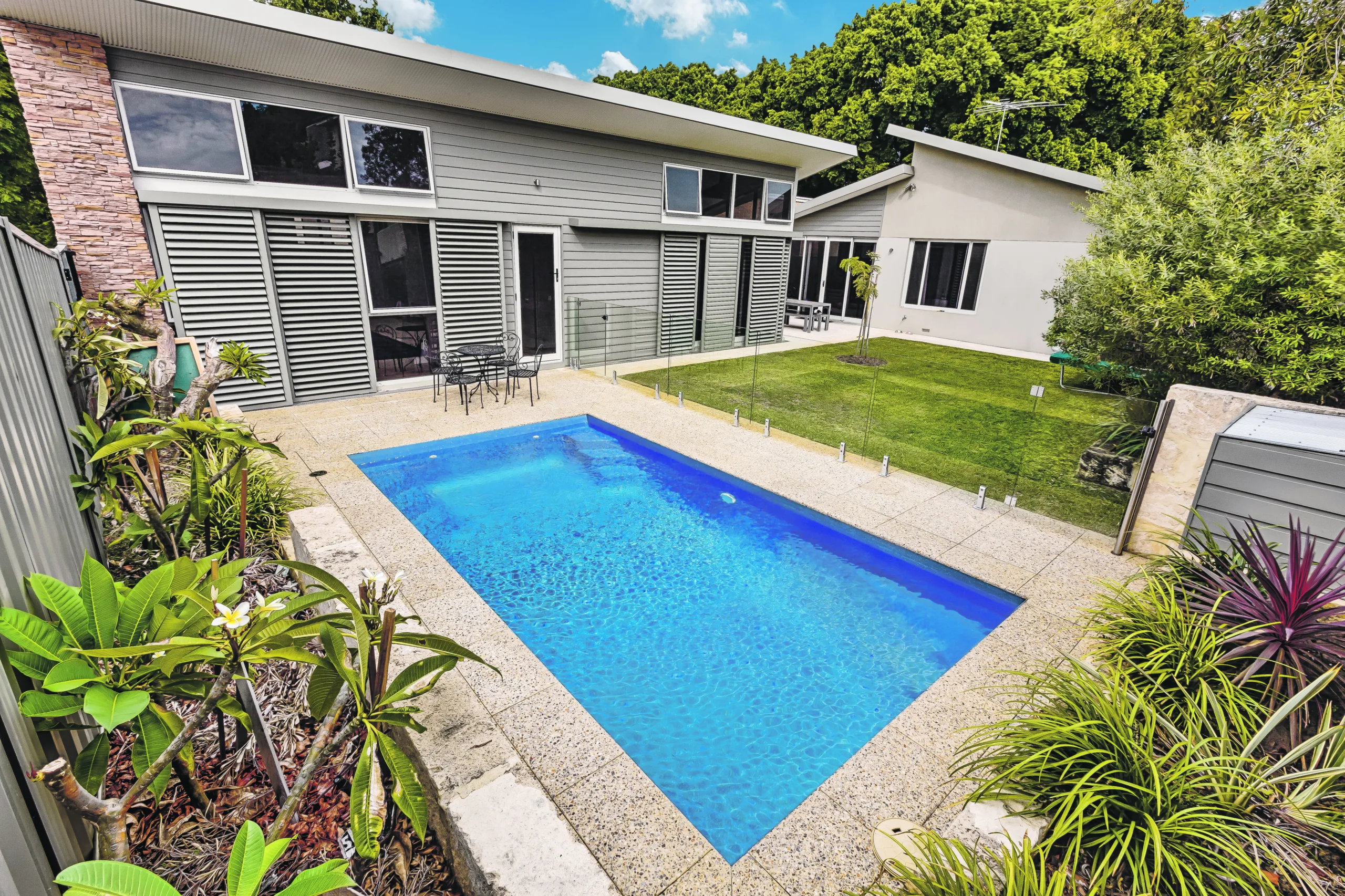
Adding a swimming pool to your backyard can transform it into a haven of relaxation and entertainment. However, before diving into the excitement of owning a pool, it is essential to adequately prepare your backyard. Proper preparation not only ensures a smoother swimming pool construction process but also helps avoid potential issues down the line. Here are some pool installation tips to guide you through the process, focusing on inground pool installation.
1. Assess Your Backyard’s Suitability
Before starting any construction, it is vital to evaluate your backyard to ensure it is suitable for a pool. Key considerations include:
- Space and Layout: Check that your backyard has enough room for the pool size you want, as well as additional features like decking or landscaping.
- Ground Stability: Conduct a soil test to determine ground stability, as some soil types, like clay, can present challenges for inground pool installation.
- Drainage: Ensure proper drainage to prevent water from collecting around the site, which could cause structural issues.
Engaging with a professional swimming pool construction company at this stage can help identify any potential problems and recommend the ideal placement for your pool.
2. Obtain Necessary Permits
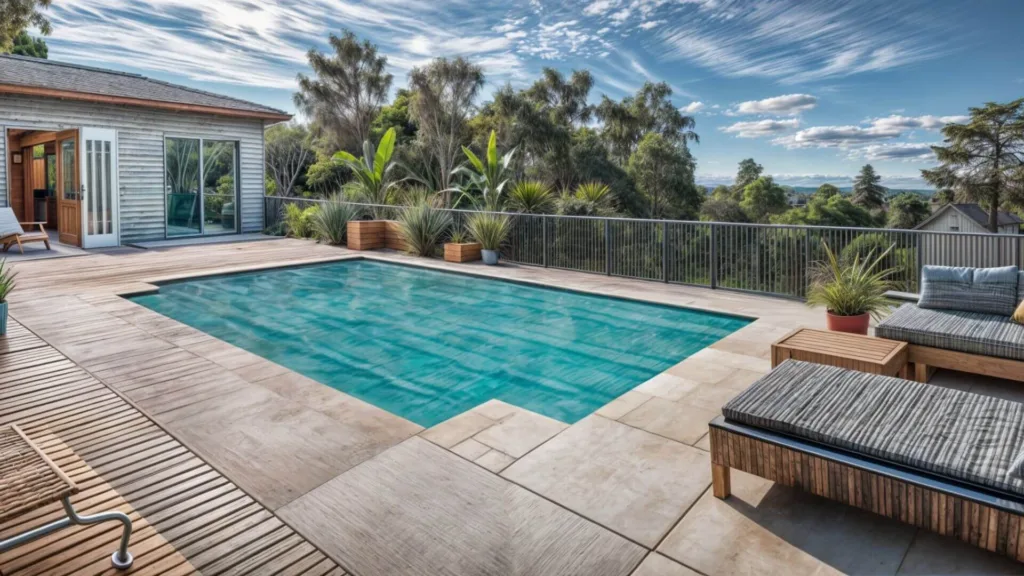
Pool construction typically requires permits from your local council or regulatory authority. These permits ensure that your pool complies with safety standards and zoning regulations. Important points to address include:
- Setback Requirements: Understand how far your pool must be from property boundaries, buildings, or utility lines.
- Fencing Regulations: Many areas require pool fencing to enhance safety, particularly for households with children.
- Utility Checks: Locate any underground utilities like gas, water, or electrical lines before excavation to prevent damage.
Your pool builder can often assist with the permitting process, ensuring all paperwork is completed accurately.
3. Prepare the Site
A clear and organised site is critical for efficient pool construction. Start by:
- Removing Obstacles: Take out furniture, garden decorations, plants, and other items that could obstruct the work area.
- Pruning Trees: Trim overhanging branches that could interfere with equipment or drop debris into your pool later.
- Leveling the Ground: Ensure the terrain is even to provide a stable foundation for your pool.
Proper site preparation can reduce delays and contribute to a safer work environment during the pool installation process.
4. Plan for Accessibility
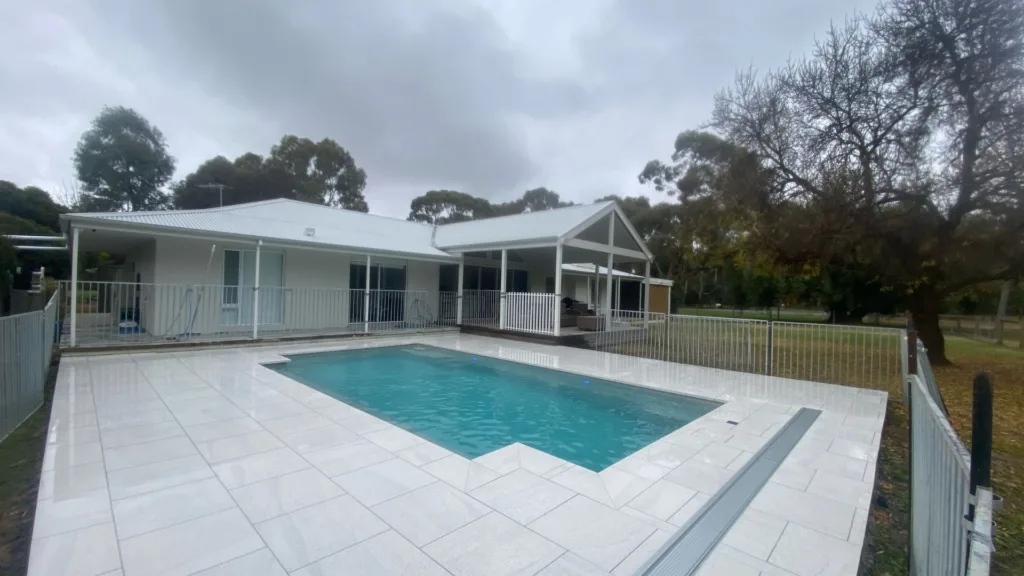
Construction equipment needs unobstructed access to your backyard. To ensure smooth operations:
- Create a Clear Pathway: Provide a designated route for heavy machinery to move in and out of your property.
- Protect Existing Features: Safeguard garden beds, fences, or pathways that may be at risk of damage during construction.
Discuss these requirements with your swimming pool construction team to minimise potential issues.
5. Coordinate Utility Connections
Swimming pools depend on reliable connections to electrical, plumbing, and filtration systems. During the planning phase:
- Identify Utility Locations: Determine where pumps, filters, and heaters will be placed.
- Ensure Adequate Power Supply: Confirm that your electrical system can support the additional load of pool equipment.
- Install Drainage Systems: Set up proper drainage to prevent waterlogging and protect your pool structure.
Working with professionals ensures compliance with safety regulations and efficient system functionality.

6. Plan Landscaping Features
Your pool should integrate seamlessly with your backyard’s design. To achieve this:
- Add Greenery: Choose plants and shrubs that enhance the pool area’s appearance while requiring minimal maintenance.
- Install Non-Slip Surfaces: Use materials like textured concrete or pavers for pool decking to ensure safety.
- Create Shade: Incorporate pergolas, umbrellas, or trees to provide shaded areas for relaxation.
Some landscaping elements, such as planting or turfing, may need to wait until construction is finished.
7. Budget for Unforeseen Costs
Unexpected expenses can arise during swimming pool construction, even with thorough planning. Examples include:
- Soil Issues: Additional excavation or reinforcement may be needed for unstable or rocky soil.
- Weather Delays: Bad weather can prolong the construction timeline.
- Feature Upgrades: You may decide to add enhancements like lighting, water features, or a spa.
Setting aside a contingency fund of 10-15% of your budget can help manage these unexpected costs.

8. Communicate with Neighbours
Pool construction can be disruptive, so it’s considerate to inform your neighbours about your plans. Provide details such as:
- The expected construction timeline.
- Potential noise or disturbances they might experience.
- Steps you’re taking to minimise inconvenience, like scheduling work during reasonable hours.
Maintaining open communication can help foster goodwill and avoid misunderstandings.
9. Choose a Reliable Pool Builder
achieving the best results. When choosing a builder, consider:
- Portfolio and Reviews: Review their previous projects and customer feedback.
- Licences and Insurance: Verify they have the necessary certifications and insurance.
- Transparent Contracts: Ensure the terms of the agreement, including timelines, costs, and responsibilities, are clearly outlined.
Collaborating with the right professionals ensures a high-quality inground pool installation that aligns with your vision.

10. Plan for Maintenance
Once your pool is built, regular upkeep is essential to maintain its condition. Be prepared to:
- Test Water Quality: Regularly check pH and chlorine levels to keep the water safe for swimming.
- Clean the Pool: Invest in cleaning tools or hire professionals to remove debris and maintain water clarity.
- Prepare for Winter: If applicable, winterise your pool to protect it during colder months.
Establishing a maintenance routine early on will help prolong the life of your pool and maximise your enjoyment.
Conclusion
Preparing your backyard for pool construction involves careful planning and attention to detail. By assessing your site’s suitability, obtaining permits, and planning for utilities and landscaping, you can create the ideal foundation for a successful swimming pool construction project. With these pool installation tips, you’ll soon be ready to enjoy the benefits of your new inground pool.